




Snow and Ice Fairy Tales | Winter Tour of the Northern Border Region
The northern part of the country in winter is a fairy tale of ice and snow
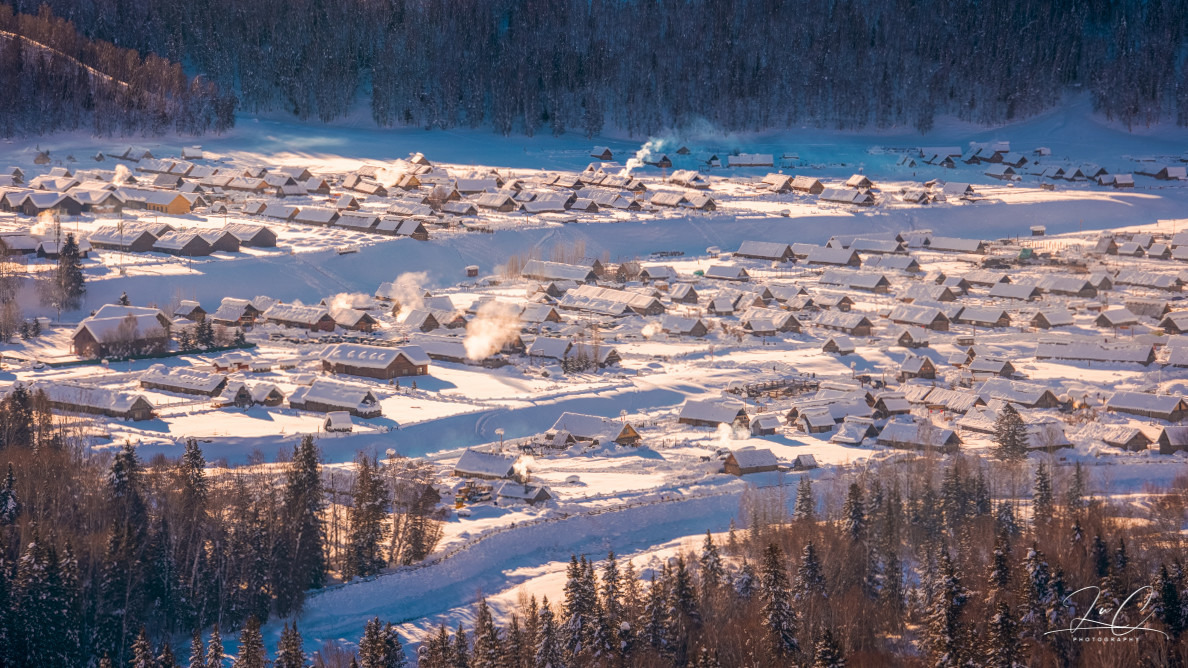
What kind of impression does the northern part of the country have during winter? It's the extremely cold weather of minus thirty degrees Celsius, shivering with thick down jackets on the vast and deserted land, with frost covering one's head. It's also the pointed-roofed houses of Hemed Village covered in snow, the curling mist on the unfrozen lake of Kanas, the blue ice bubbles on the Seryum Lake, the frost and white swans at the Swan Spring in Yining, and the long and wide powder snow slopes of General Mountain.
This is a world of ice and snow fairy tales, beautiful yet aloof, serene yet colorful. The scenery of Xinjiang gives it its own unique charm in each distinct season. I once walked through the northern part of Xinjiang in autumn, and this time coming in winter, I felt it had completely changed its appearance, captivating my imagination.
【Travel Route】
Day 1: North Xinjiang - Urumqi (by plane)
Day 2: Urumqi - Altay (by plane) - General Mountain Ski Resort
Day 3: General Mountain Ski Resort
Day 4: Altay - Hemu
Day 5: Hemu - Kanas
Day 6: Kanas - Burqin
Day 7: Burqin - Uerhe Devil's City - Uerhe Populus Euphratica Forest - Kuitun
Day 8: Kuitun - Sayram Lake
Day 9: Sayram Lake - Yining
Day 10: Yining Swan Spring - Yining - Beijing (by plane)
【Mode of Transportation】
In winter, the northern part of Xinjiang is covered with thick ice and snow, especially in the areas of Kanas and Hemu, where the snow can be several meters deep. One wrong move can easily lead to an accident. Road closures due to heavy snowfall are also common. If you plan to drive, it's best to have experience driving on icy and snowy roads. With my driving skills, I would never dare to do it. However, the temperature around Sayram Lake and Yining is much higher, and there is little snow on the roads (unless there is extreme weather), so driving there is relatively easy.
The best way to travel is to charter a car with a few friends and hire an experienced local driver, which is both safe and worry-free. However, I can't get together with friends who want to go (either their schedules don't match or they don't want to go because it's too cold), so I can only travel independently or join a tour group.
I have done a lot of research on independent travel. The airport, railway station, city area and ski resorts in Altay are all very close to each other, and the transportation is convenient. Independent travel is completely fine. There are minibuses or chartered cars from Altay to Hemu every day. It's very convenient to buy a ticket and go to Hemu Village. The snow in Sayram Lake and Yining is less and the road conditions are good. It's completely fine to rent a car for self-driving or sign up for a one-day tour. However, the inconvenience of independent travel is that 1. there is no direct transportation to Kanas; 2. if you want to go to both Kanas in Altay and Sayram Lake and Yining, the transportation in the middle will be quite troublesome.
For various reasons, I finally chose to join a tour group. Joining a tour group could satisfy my greed to visit all the scenic spots and was also more convenient. However, due to the heavy snow in mid-January, the Kanas Scenic Area was closed, which made me hesitate for a long time. When I finally made up my mind to sign up, the photography tour group I had my eye on was already full. What a pity! I had no choice but to join an ordinary tourist group. In fact, it was a very unwise decision for a photography enthusiast to join an ordinary tourist group. We just had a cursory look at all the scenic spots, and during the best lighting times, we were either sleeping or on the way. The distances between scenic spots in Xinjiang are very far, and the speed limit is even stricter in winter. It took us a whole day to reach one place, and we just took some pictures with our mobile phones and left... Moreover, since we set off on the second day of the lunar new year, the itinerary was to go to Altay first and then to Yili, which was very unreasonable. Both General Mountain and Hemu in Altay were the most crowded during the Spring Festival, while there were far fewer tourists in Sayram Lake and Yining. If we had gone in the opposite direction, it would have been much better. However, the fellow travelers in the group were all very nice, and I met some friends who I could have fun with.
【Luggage List】
Clothing: Down pants, down jacket, fleece jacket, sweater, scarf, hat, gloves, woolen socks, underwear, waterproof snow boots. The winter in the northern part of Xinjiang is extremely cold. I'm going there at the end of January. The daytime temperature is approximately -20°C in Hemu and Kanas, -15°C in General Mountain, -15°C in Sayram Lake, and -5°C in Yining. I'll wear long johns + down pants + fleece pants, long-sleeved shirt + sweater + Bosideng extreme cold down jacket, and stick 2-3 heat packs. When taking portrait photos, I'll take off the down jacket and put it back on immediately after shooting. I didn't feel very cold. But it will be even colder in the early morning and evening. If you want to shoot sunrise, sunset or even the stars, you need to wear even more clothes.
Camera: Canon R5 + 24-240mm/14-35mm. I used the wide-angle lens less and the telephoto lens more. When I was shooting swans in Yining, my lens was not up to the task (the aperture was too small), and the photos came out blurry. It was not worth carrying a 400mm lens for the last half day, so I'll make up for the regret when I have the chance to go there specifically to shoot swans. I also brought a DJI Mavic 2, but in Hemu, I don't know if it was too cold or the battery life was up, but the remote control battery died, so it was like carrying two pieces of scrap iron. I used the tripod to shoot the sunrise twice, and also for self-portraits.
Others: Certificates, hand warmers, insulated cups, medicines, toiletries, folding water kettles, power banks, crampons, etc.
【Time Difference Impact】
Xinjiang is two hours behind Beijing, but Beijing time is used. In winter, the daylight is short; it doesn't get light until 9 a.m. and the sun sets around 6:30 p.m. This schedule is quite friendly to us. During the two days of skiing at General Mountain, I deeply felt this. The ski resort opens at 10 a.m., and most people have just woken up. Some people are still on the slopes or having dinner at the restaurant at 12 a.m. Once you arrive here, your travel and meal times will adjust accordingly.
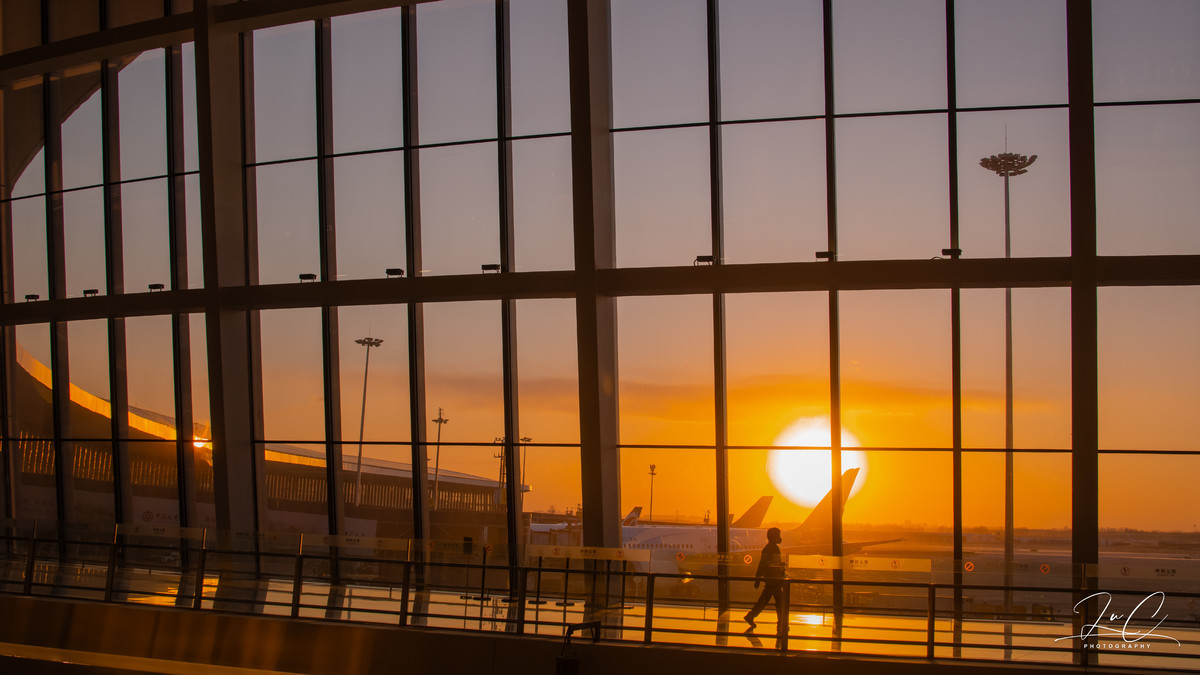
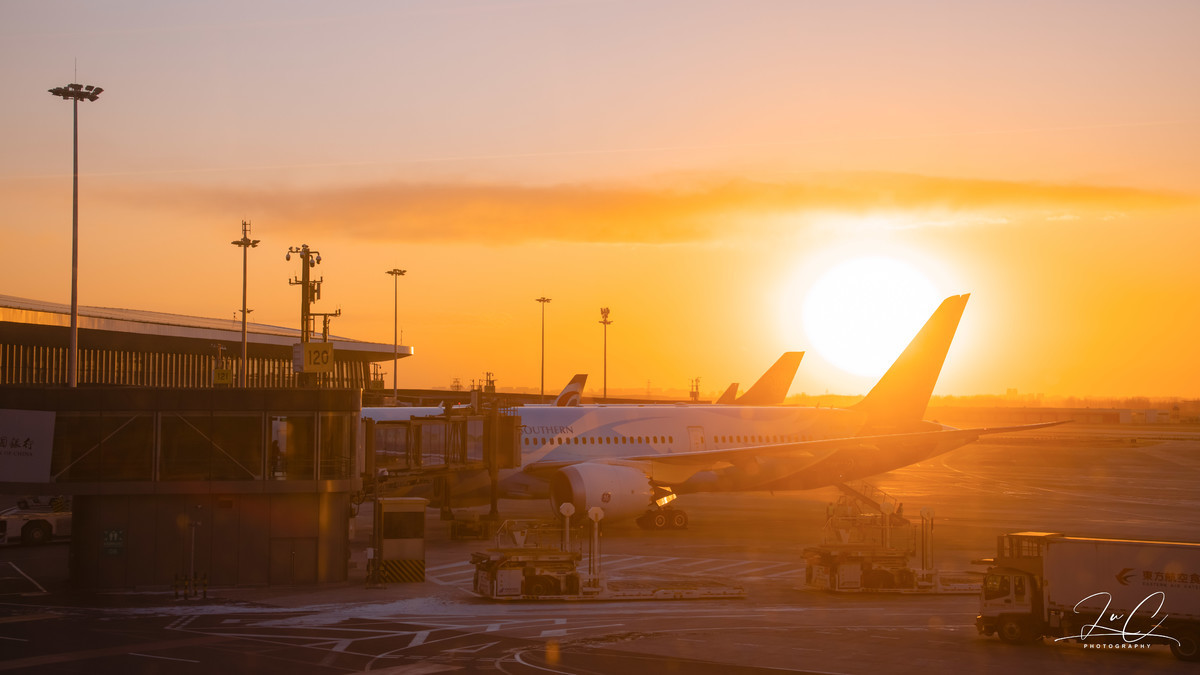
After spending the New Year at home, on the afternoon of the second day, I went to Daxing Airport and set off for Urumqi. There is no direct flight from Beijing to Altay, so I had to transfer to a plane or train to reach Altay from Urumqi. I arrived in Urumqi on the evening of the second day and stayed at a hotel near the airport for one night. The next morning, I took a flight to Altay.
The flight time from Urumqi to Altay is 1 hour. After landing at 9:30 in the morning, we left the airport and took a taxi to the hotel. In this season, about 90% of the people visiting Altay are skiing enthusiasts. When waiting for the luggage, we saw more snowboards than suitcases. When hailing taxis, each taxi was fully loaded with 4 passengers. The rear compartment was tied up with ropes to secure the boards and suitcases from falling. Then, we sent the tourists to the hotel one by one.
General Mountain Ski Resort: The best ski slopes and the most beautiful sunset
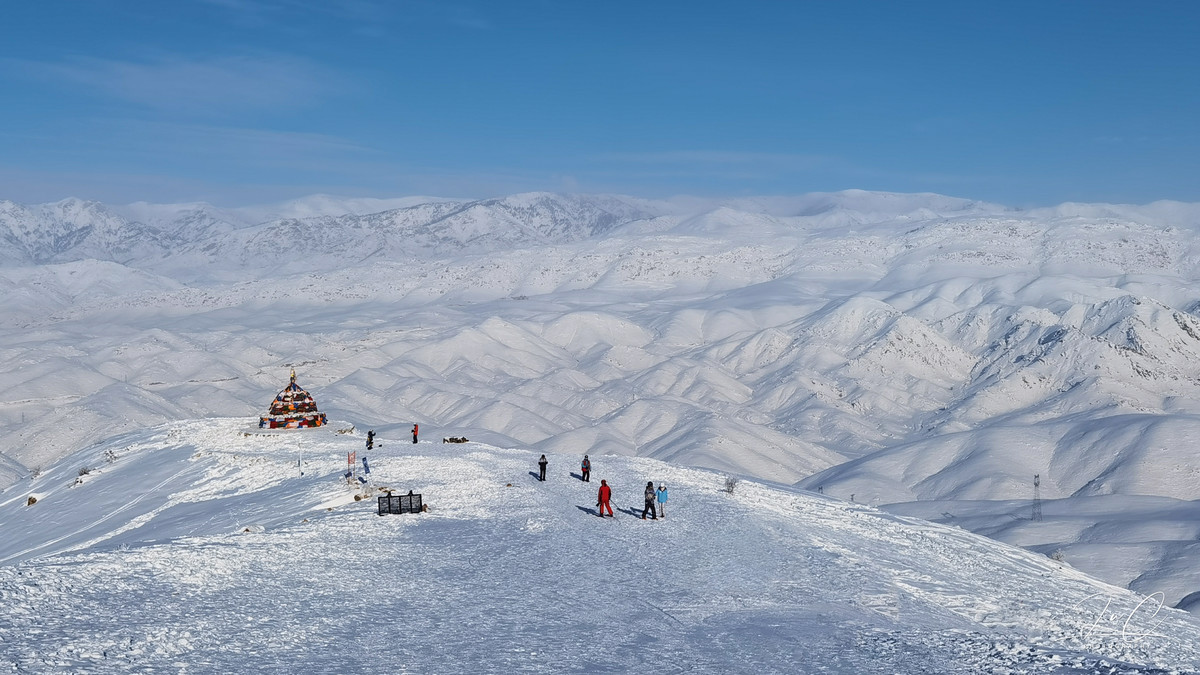
The Altai Mountains within the territory of Altay are located at the 45-degree latitude, which is considered the golden skiing latitude in the world. It is said to be the birthplace of human skiing. The snow season here is very long, and the ski runs can be opened in November and continue until May of the following year. There are 58 ski runs in the ski resort, with an artificial snow area of 1.85 million square meters, a height difference of 460 meters, and 8 cable cars.
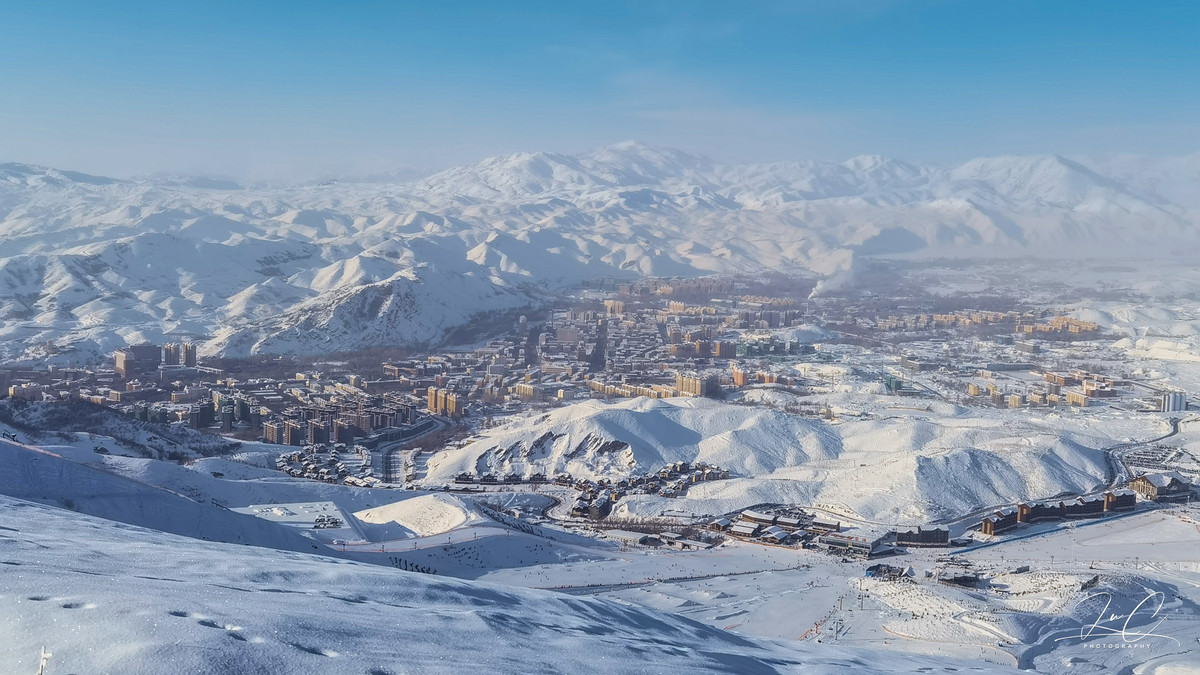
There are many ski resorts in Xinjiang, but Juntian Mountain is the only one located within the urban area and it is a world-class ski resort. In a nutshell, it's convenient! It is only 2 kilometers away from the city center. The farthest hotel in the city can be reached by car in just over ten minutes. Moreover, the urban accommodation and living conditions are very good, with everything from food, drinks, entertainment to leisure activities available.
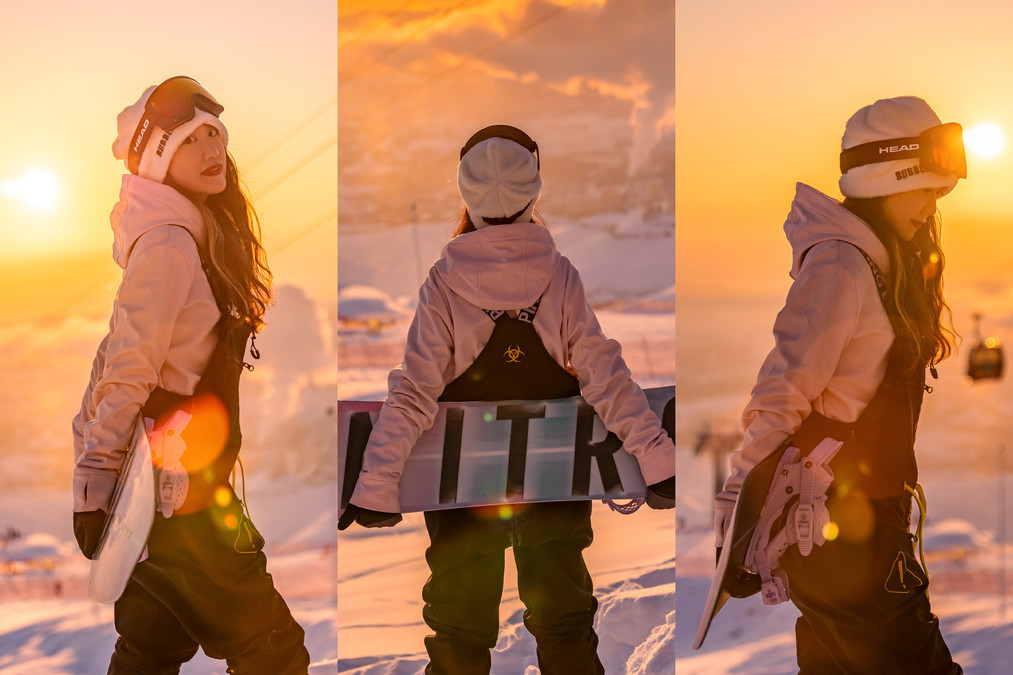
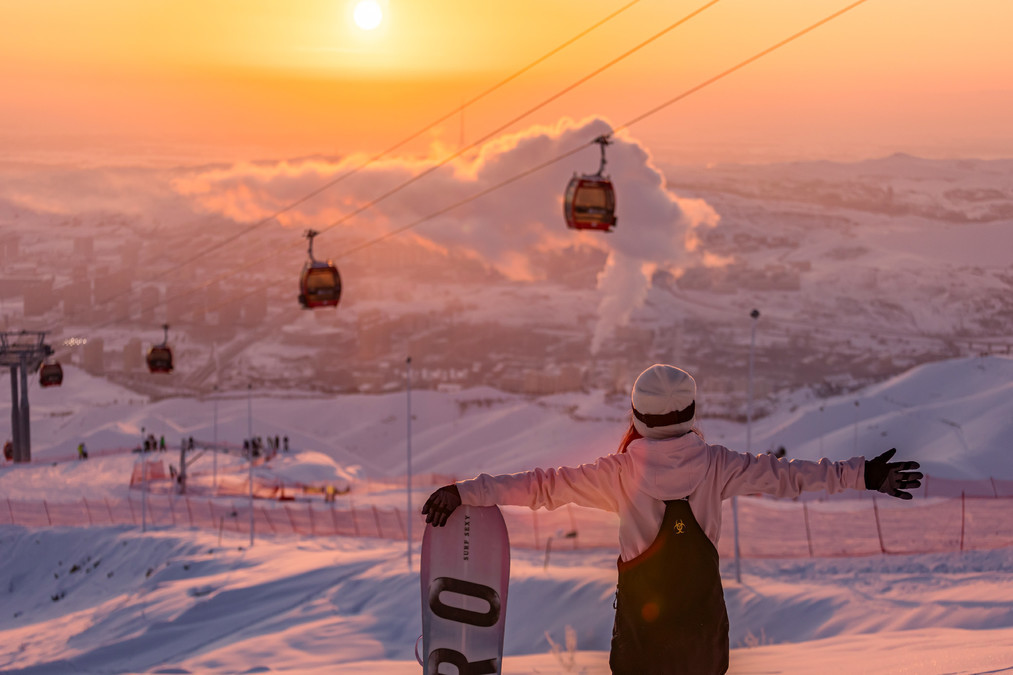
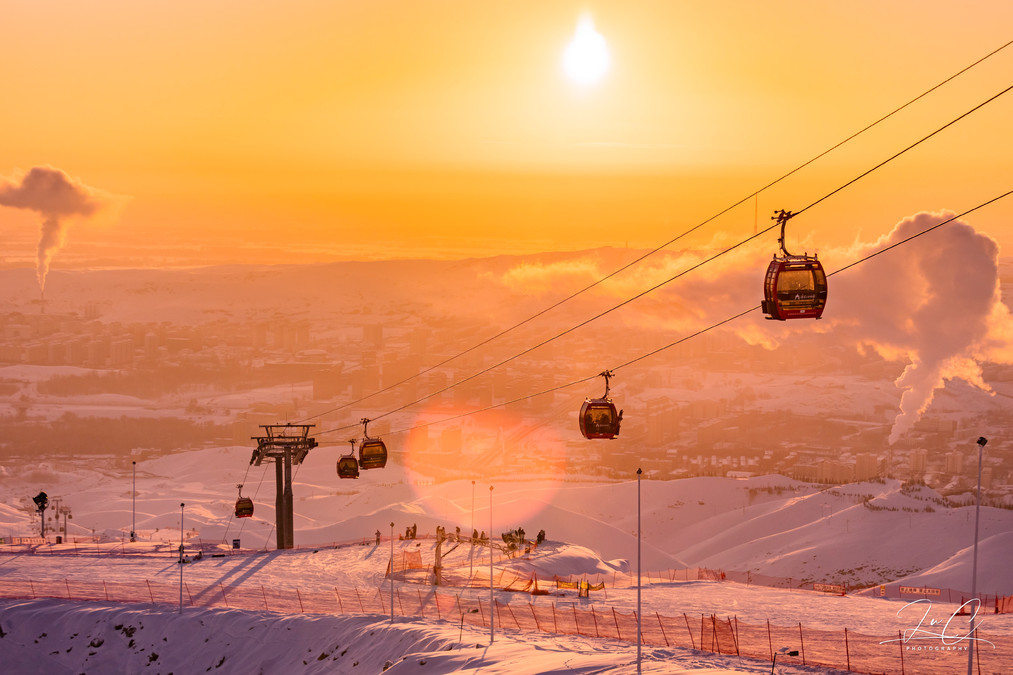
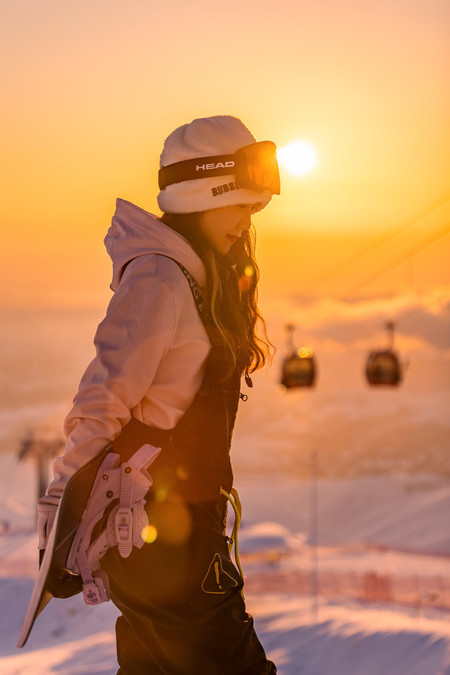
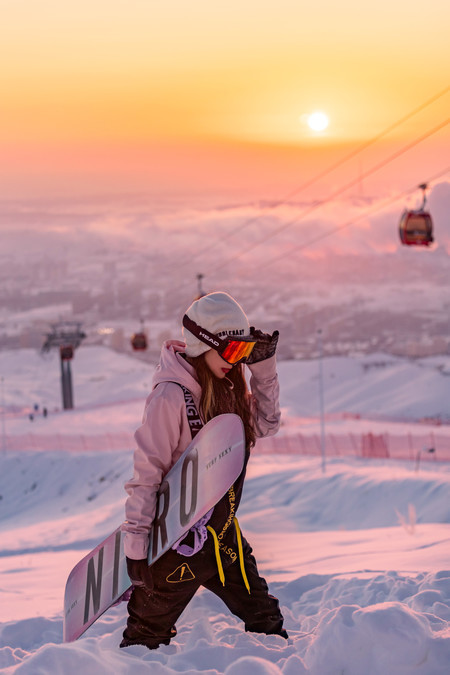
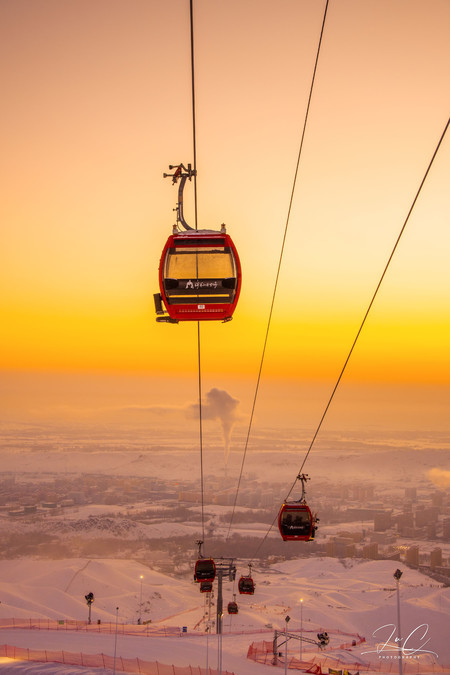
Jiangjun Mountain is still one of the few ski resorts where you can enjoy the breathtaking sunset. Due to its night operation, the ski area won't be emptied when the daytime operation ends. At sunset, everyone will take the cable car to the highest peak to admire the sunset. In winter, all the mountains here are covered in white snow, and even the city is dressed in a snowy coat. Standing at the highest point of the snow-covered mountains and watching the sunset from there is truly amazing!
Snow resort ticket: Big Kha
Local transportation: Snow City Bus
【Altai Transportation】
The downtown area of Altai is very close to the ski resort. Many hotels offer free shuttle buses for transportation, and the ski resort also has buses to major hotels in the city. This area doesn't have a good service for Didi. The local transportation app is called "Snow City Travel", but it doesn't work very well when there are a lot of people. You can ask the hotel front desk or local skiers for help, join the local carpool group, and there are drivers in the group who will contact you. The price is 10-30 yuan per person without a meter. Or you can remember the phone numbers of several drivers and contact the drivers to pick you up. There is a bus schedule and taxi driver phone list at the ski resort entrance. The way to get from the hotel to the airport or railway station is similar, there are buses available, and you can also join a taxi ride-sharing group.
【Skiing Resort Experience】
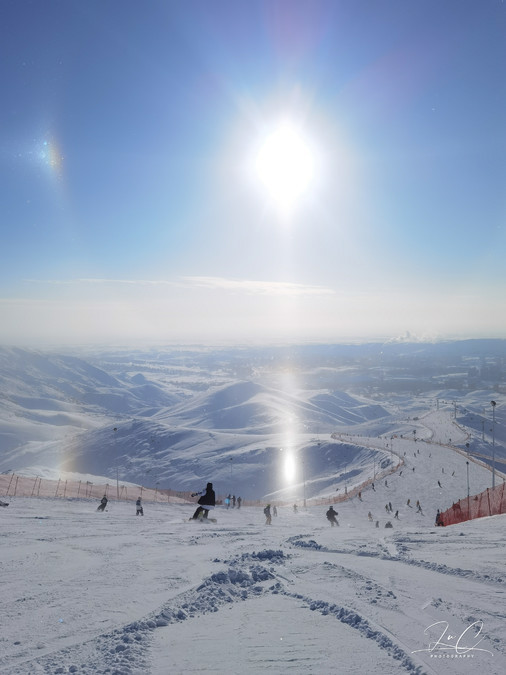
Jiangjun Mountain Ski Resort is very large, with 58 ski runs and 8 cable cars. As a beginner skier who has only skied at a few small ski resorts in Beijing a few times, when I arrived at the ski resort, I was completely at a loss. I didn't know which cable car to take and which ski run to go on. Later, I made an appointment with a coach and skied with him a few times to get a general understanding. The highest point of the ski resort, which is also the center point, is the intersection and starting point of several main ski runs. Starting from the top and skiing down the mountain, various forks will appear, leading to different routes or terrains. If you make a wrong turn, for example, from Yin Guang Trough to the steepest "Foguang Avenue" in the country, you will have to confront life and think seriously. Fortunately, the road signs here are very large and clear, and they are also very friendly to people with poor eyesight.
For a skier like me who changes edges frequently, it's enough to just glide on gold or silver slopes. They are long and wide, not too steep, and a 3km run is extremely exhilarating. Even during the peak tourist season during the New Year, it didn't feel crowded at all. I could smoothly change edges in various ways.
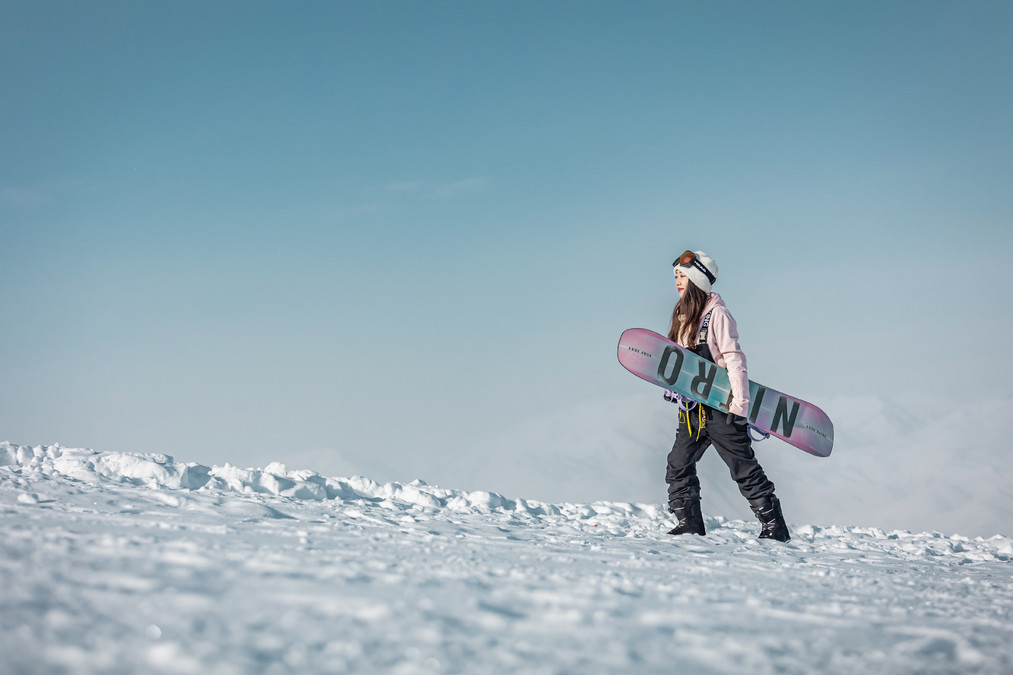
【Snow Resort Hall and Ski Equipment Rental】
The ski hall is divided into A/B sections. There are aerial lifts and ski runs connecting between the A and B sections. The B hall is much smaller than the A hall and does not provide rental equipment. People usually bring their own gear and enter directly through the B hall. There are cabinets and ski lockers (but many people just leave the boards lying around). The ski equipment store, high-end ski rental, and the resort shuttle bus are all located in front of the B hall. Taxis also park at the entrance of the B section by default.
Hall A is the larger one that was newly built. If you want to purchase a package ticket including snow gear, you need to rent the snow gear at Hall A. Many snow enthusiasts visiting Jincheng Mountain bring their own snow gear. Although the ski resort is quite large, it seems that the rental equipment available here is even less than that at a small ski resort near my home. During the New Year holiday, there were long queues at almost every rental window. There were more people skiing on the single-board, and when I arrived at the ski resort at noon on the first day, all the single-board rentals were finished, but there were still many pairs of double boards available. The protective gear, the little turtles, were all out of stock and had no new ones available for rent. So, if there is a large crowd, it's best to rent the equipment outside the ski resort in advance and come directly with the gear.
【Ski Instructor】
There are instructors at the ski resort. The fees vary by level. During holidays, the prices are higher, but they are much cheaper than those in Beijing. It is said that there are currently about 100 instructors, but during holidays, there is a shortage of instructors and many people will make reservations in advance. I arrived at the top at 10 o'clock, rented the ski equipment, and then made an appointment with the ski instructor. The main purpose was to help me get familiar with the ski resort and correct my movements. The instructor also helped me record the session. Many people also make appointments with instructors on websites like SkiBe/GO SKI/Red Star Social Media, which are a bit cheaper than at the resort.
【Snow Resort Cuisine】
The food at Jincheng Mountain Ski Resort is abundant! And it's not expensive! There is a large dining hall on the upper floor of Building B that offers various flavors. At the coffee house on the top of the mountain, there are local specialties like grilled skewers and baked naan. I brought a box of instant noodles but didn't open it at all.
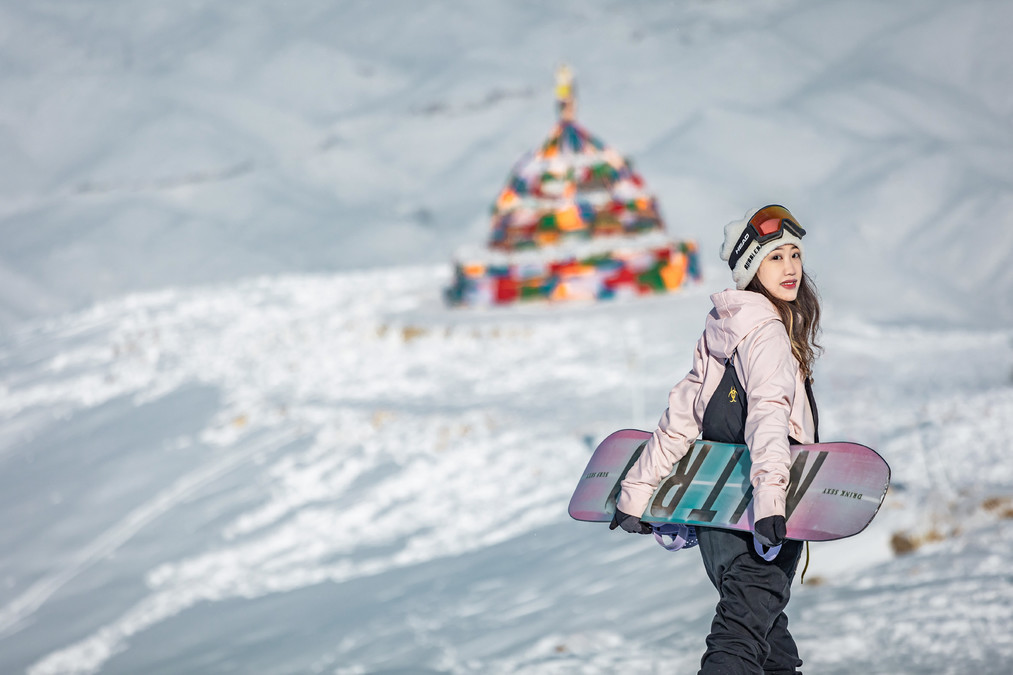
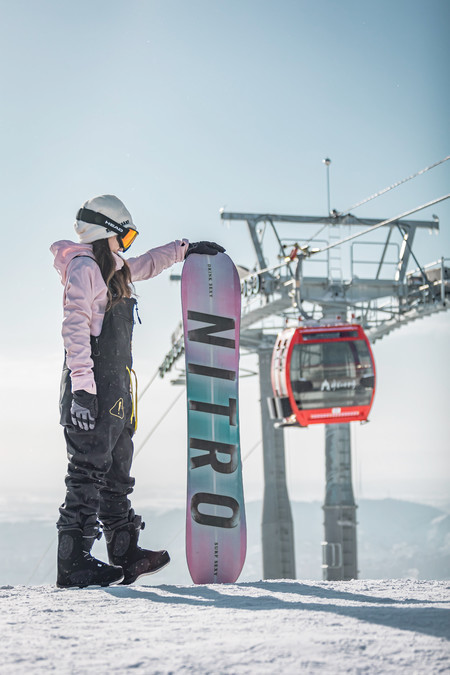
【Sunset on General Mountain】
The sunset on General Mountain is truly amazing! Amazing! Son! I stayed at General Mountain for two days. On the first day, it was cloudy with light snow. On the second day, it was also cloudy in the morning, but in the afternoon the sun came out, allowing me to luckily witness the breathtaking sunset, which made me extremely moved.
The best place to watch the sunset is at the top of the mountain. In the evening, the coffee house at the top of the mountain is crowded with people waiting to watch the sunset. When the daytime skiing session ends at sunset, the ski slopes will be temporarily closed for snow removal. After sunset, the night skiing session will start and the slopes will reopen. Many skiers choose to watch the sunset and then wait for the night session to start before skiing down. Those who don't ski down wait in line to take the cable car down the mountain. I went up the mountain with my camera and wondered if I had the ability to ski down with the camera, so I queued up for the cable car. I really regretted it because there were so many people and the queue was extremely long. I shivered and froze for over an hour before finally being able to get down the mountain.
【Snow Resort Session】
There are many photographers at Juntian Mountain Ski Resort. You can book a session with a photographer directly on Slaby/GO SKI/Red Star Social Media, or you can also approach a randomly encountered photographer at the resort and make an appointment for a few shots. I specifically booked a photographer in advance because I wanted to capture the sunset. I took several daytime photos and then several photos of the setting sun. I'm extremely satisfied with the results!
Huo Mu: A fairy-tale world of snow, log cabins and smokestacks
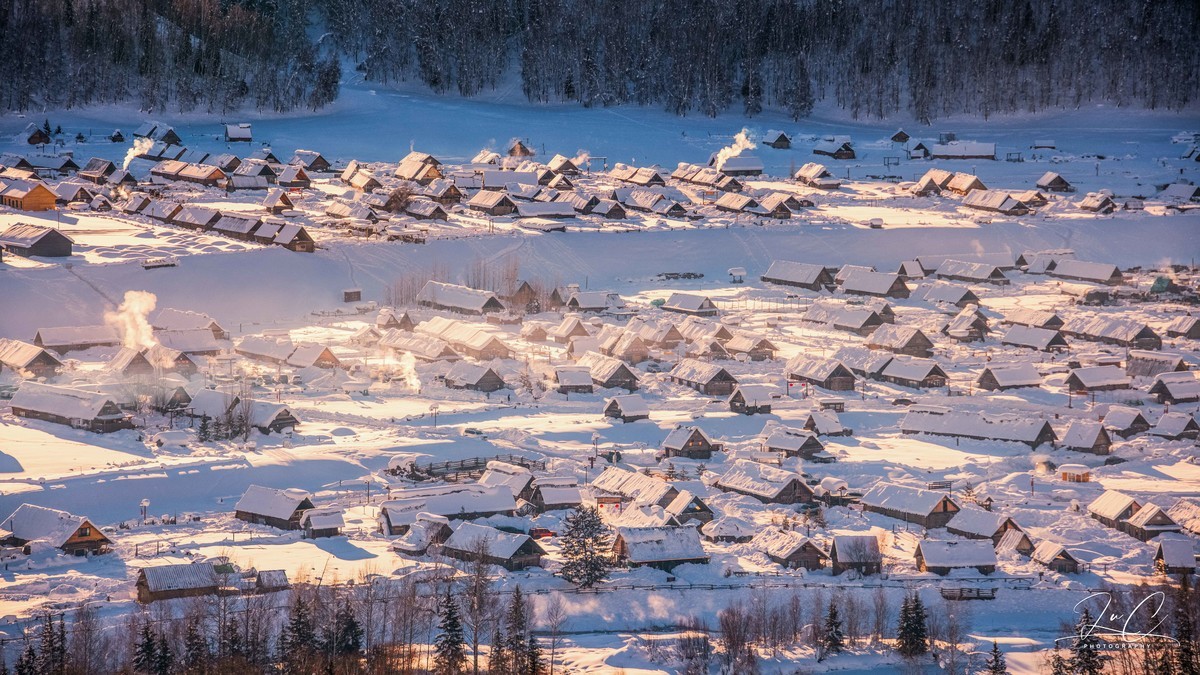
Hemu is a small village located at the foot of the Altai Mountains. It is the settlement of the Tuva people. The entire village is filled with traditional Tuva-style small wooden houses with pointed roofs. In spring, the water flows gently; in summer, the trees are lush; in autumn, the ground is golden; in winter, it is covered in white snow. Each season is as beautiful as a fairy tale and is known as "God's private land".
I came here in autumn. At that time, the entire village was surrounded by golden birch forests and deciduous pines, interspersed with evergreen plants. Under the blue sky, the colors were intense and bold. And in winter, when the Hemo village was covered with a thick layer of white snow, it seemed to have become quiet and peaceful, becoming even purer and simpler, like a secluded paradise.
【到达禾木】
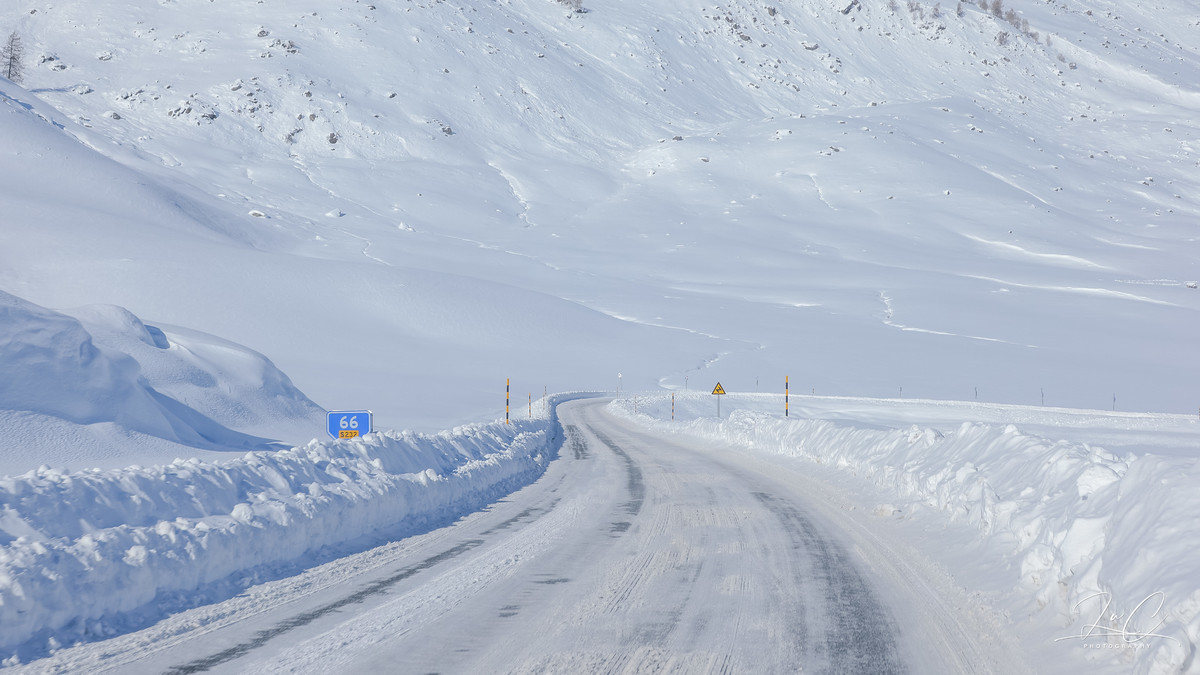
阿勒泰市到禾木村只有200多公里,正常半天就能到,但冬天几乎要开上一天。白哈巴、喀纳斯、禾木都是降雪量很大的地方,冬天温度最低有-40多度,积雪难化,不走路的地方积雪能有几米厚。一场大雪封山,清雪开路都要花上几天。进村一路限速,还会有警车在前方压车,根本开不快。
夏天和秋天来喀纳斯景区自家车是开不进去的,要停在外面停车场坐景交车进景区,但冬天景交车是停运的,所以可以开私家车直接进。冬天到禾木的方式很多,自驾、包车、拼车、中巴车、跟团都有,即使自由行也很方便。村里每天有班车到禾木的吉克普林滑雪场,这是真正满是粉雪的滑雪场,积雪量能到3-5米,属于万一板子甩飞出去找都找不到的那种。
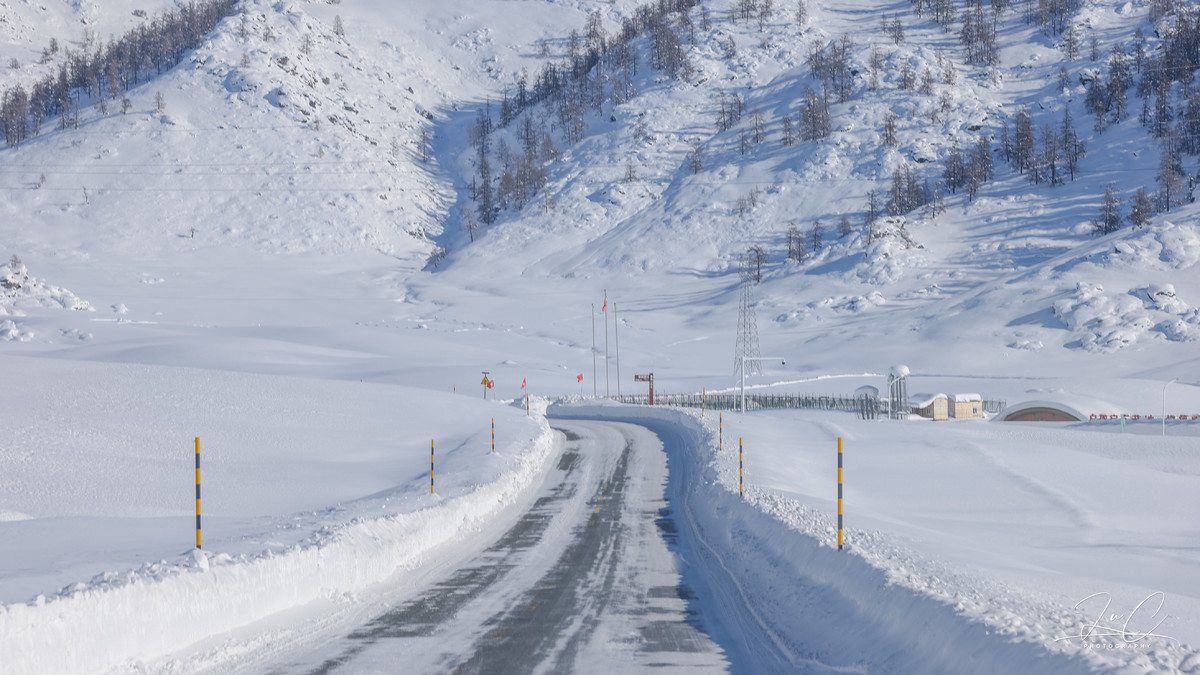
Today, Hemo Village has become a popular tourist destination. When I visited there in the autumn a few years ago, the locals told me that there were few people during the winter. They even joked that if you brought a truckload of cabbages in during winter, you could stay at my place for a month. So I have been wanting to come again during the winter. However, due to various reasons and the pandemic, my visit was postponed. When I came again this year, I found that this place was no longer a niche destination. In fact, it was even more crowded than in autumn. This was because, in addition to tourists who came just to enjoy the scenery, there were also a considerable number of skiers who came specifically for the snow here. They stayed here for ten days or half a month, skiing and taking photos.
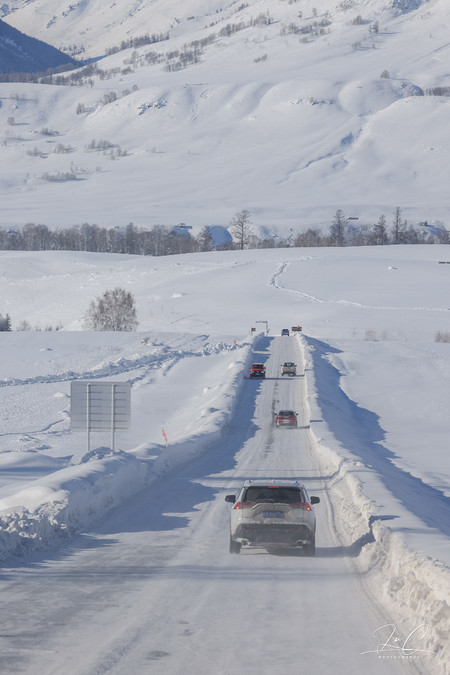
As we were on our way to the village, we saw one private car after another. Once we arrived at the village, the cars couldn't move at all. After Huomu became a popular tourist destination, the village underwent a lot of construction and built a new village, which is 2-3 kilometers away from the old one. It's a resort area with all two-story buildings. However, the road is very narrow and steep, and driving requires excellent skills. We were arranged to stay in the new village. The beautiful scenery is all in the old village, but it's really inconvenient.
【Hemu Photo Session】
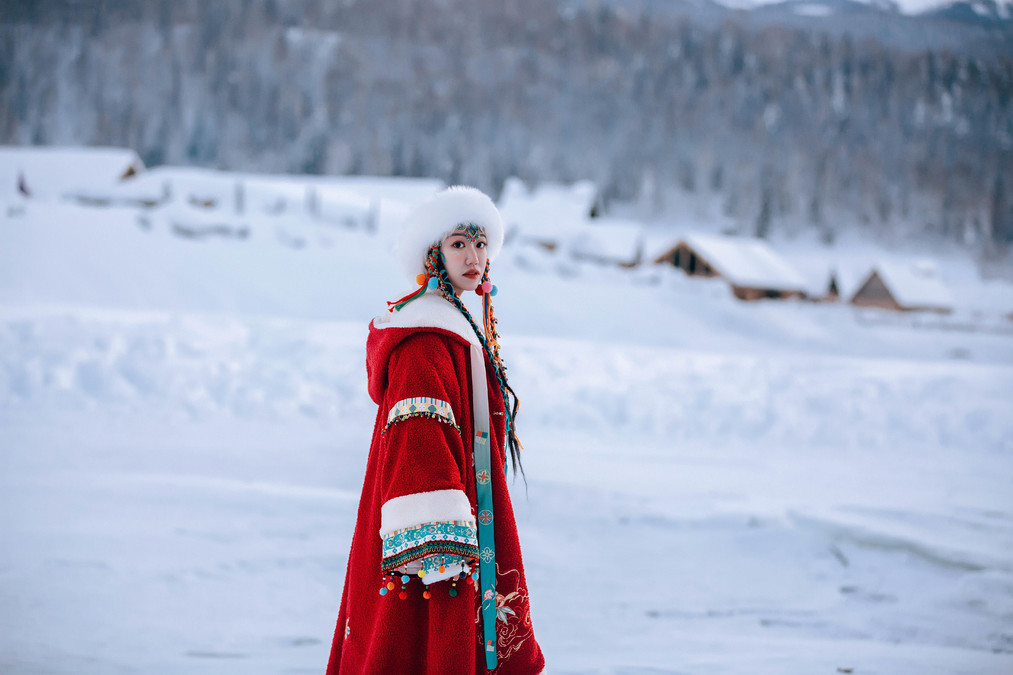
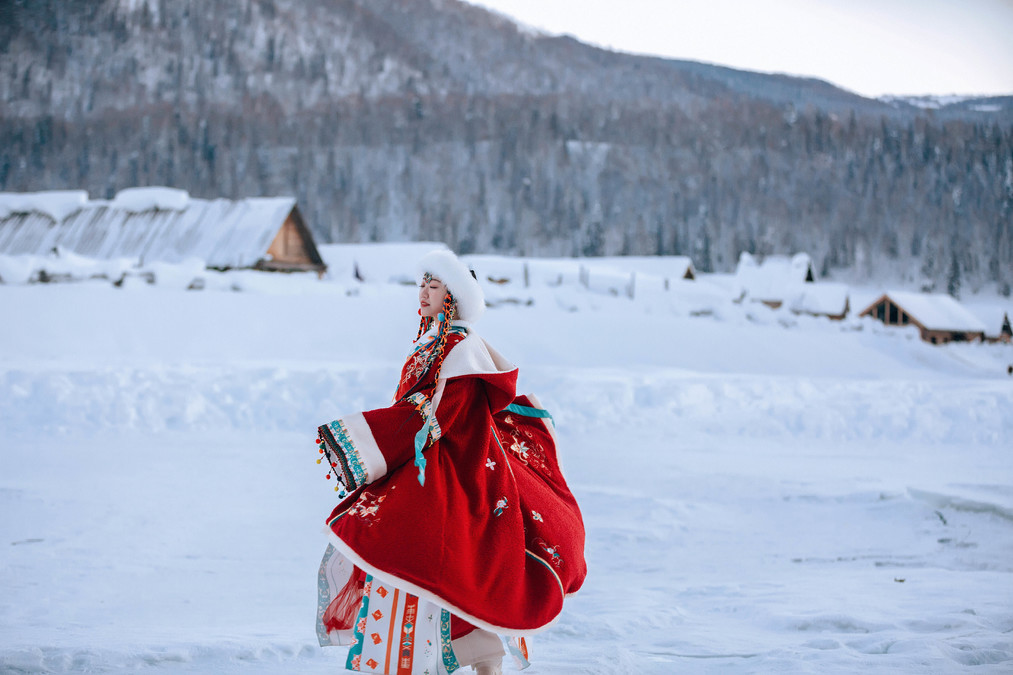
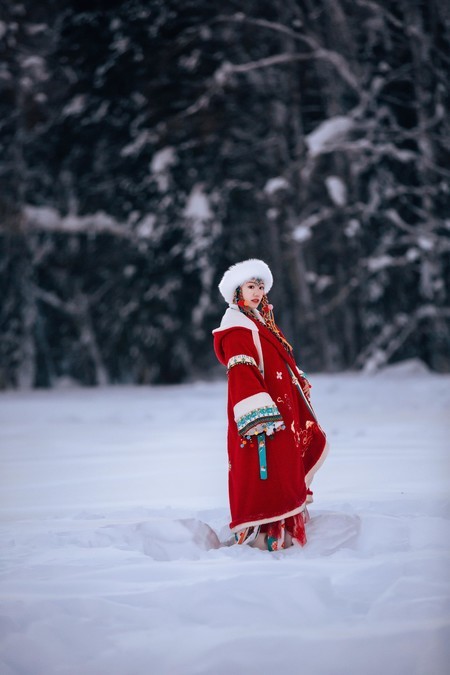
After confirming my intention to visit Hemu, I made an appointment in advance based on the arrival date for the ethnic costume photography session. The day before, we also agreed to arrive at the studio around 5 o'clock for styling and shooting. This would allow us to take advantage of the best lighting conditions. Our car arrived in Hemu Village at 4:30 in the afternoon. I arrived at the studio at 5 o'clock. However, there were already 4-5 people in line ahead of me, many of whom had arrived at the last minute. The boss accepted anyone who came to make more money. I even had to push people ahead of me. So I was afraid of being cut in line and waiting for another two hours. When it was my turn, the sun had already completely set... I had originally scheduled 1 hour for 2 sets of photos, but it turned out to be only 1 set and we only shot for about 10 minutes. I was very disappointed.
【Hemu Observation Platform】
The next morning, after having breakfast at the accommodation place, the group members all went back to their rooms to boil water and play the game of "turning water into ice" in the courtyard. To achieve the effect of turning water into ice, the temperature needs to be low enough, the water needs to be boiling, and a large container is required (such as the water boiler in the room is a good choice). At the end of January in Hemu, the morning temperature was approximately minus thirty or so degrees Celsius, and it was still very effective.
After having enough fun, we set off. The car took us to the viewing platform at the bottom of the old village. The old village was full of low wooden houses. The Hemo River flowed west of the village. Crossing the Hemo Bridge over the river, we reached the east bank where there was a large area of forest and a raised hill. On the top of the hill was a large flat platform, which was the best viewing spot to overlook the entire village and enjoy the sunrise in the east.
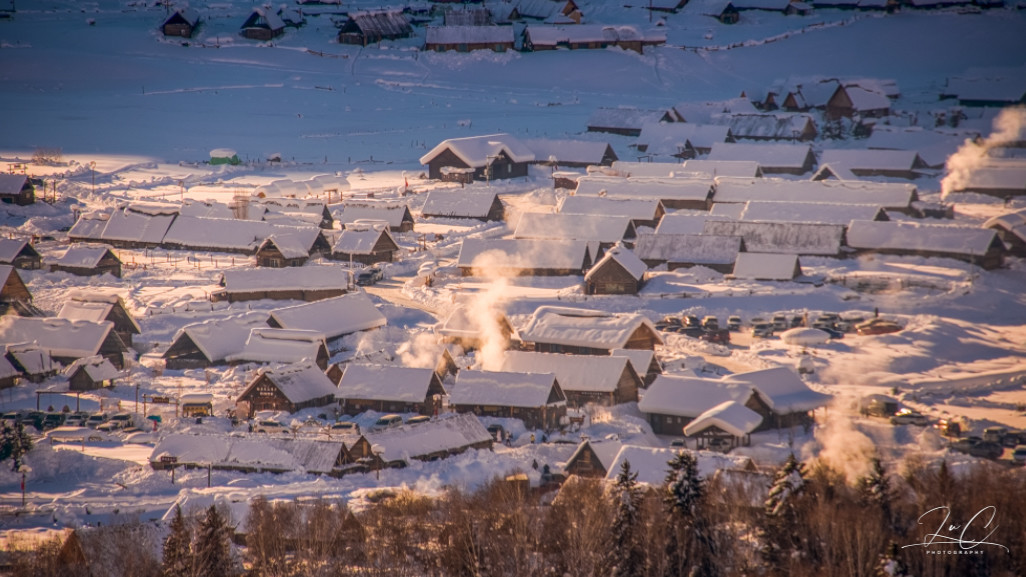
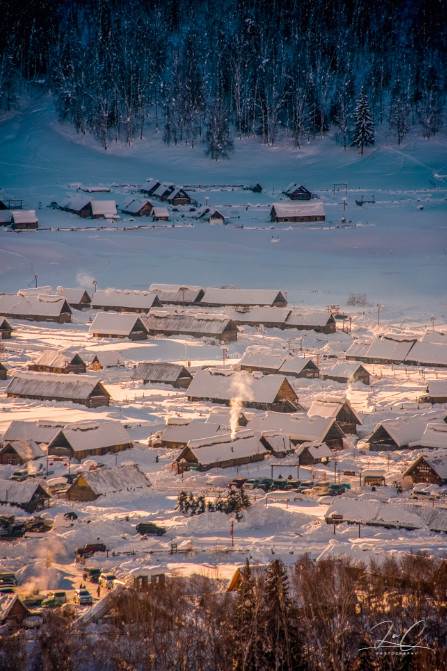
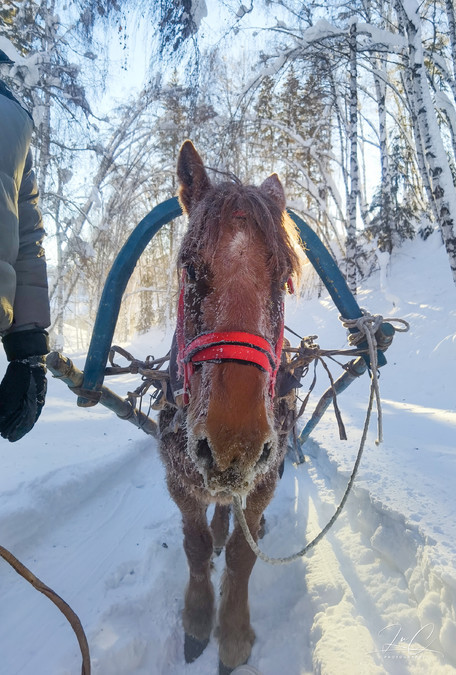
The viewing platform is not very high. It only takes 20 minutes to reach it by climbing the stairs. In winter, there is a horse-drawn sled project, where a horse pulls a sled. The sled can accommodate 2 to 3 people, allowing the horse to pull it up and down the viewing platform along the slope. The tour group arranged this activity for everyone, and I followed along, but after sitting in it, I regretted it. The snow on the slope was 1-2 meters thick. The path used by the local herders was narrow, especially the one cut out for the horses. When the up and down directions met, the horse-drawn carriage had to struggle through the 1-meter-deep snow (with the people getting off), and the snow was up to the horse's chest. The herders were whipping the horses to make them push forward in the snow. It made me feel extremely uncomfortable. Moreover, when people were sitting in the vehicle, their clothes would get wet with the snow, and the shoes and trouser cuffs were not tightly sealed, causing a lot of snow to enter. We encountered several "head-on encounters" on the way up the mountain. The time was wasted on the road, and by the time we reached the top platform, we had missed the best viewing time. It would have been better to climb up by ourselves.
Hemu and Kanas can all be photographed from the air. But Baohaba is off-limits for photography due to the presence of a guard post. When setting up the drone on the platform, just two minutes after I went out, I noticed that the battery of the remote control was rapidly losing power, which was visible to the naked eye. To avoid the drone from crashing, I quickly made it return. Before coming here, I thought the cold weather might affect the batteries of the camera and the drone, but I didn't expect that the problem was with the remote control. However, my remote control has actually been around for many years, and perhaps the battery was already aging. Being frozen again caused it to completely fail. So, this trip was basically a waste of two pieces of scrap metal.
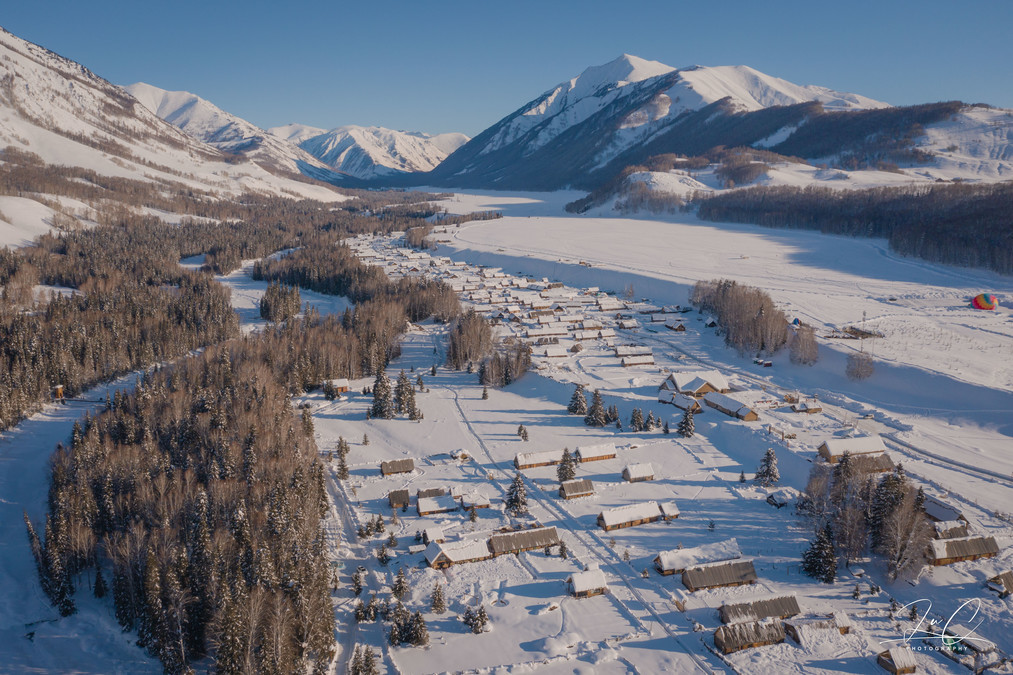
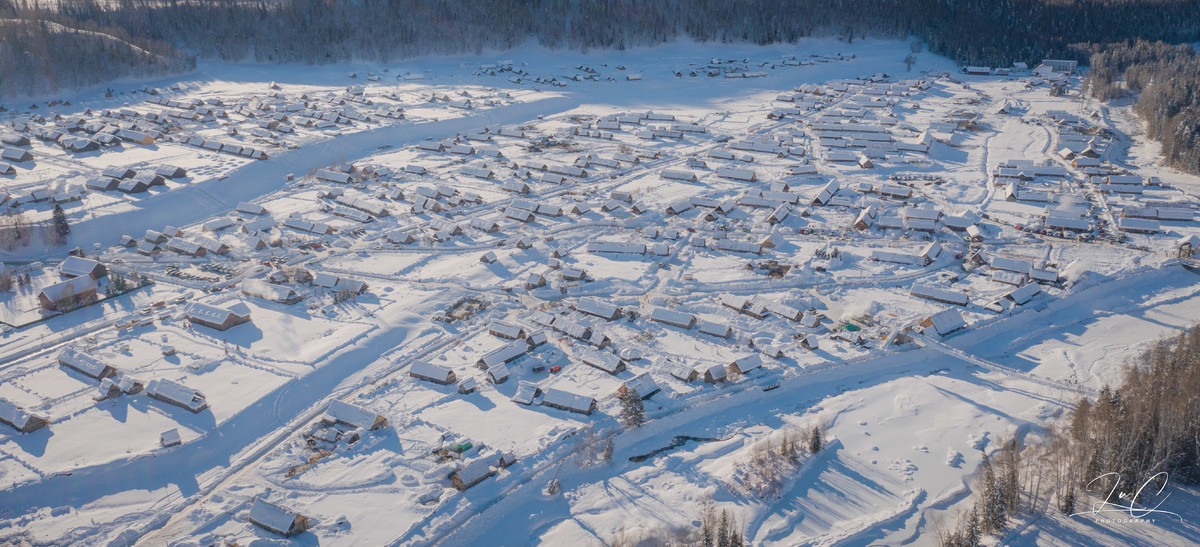
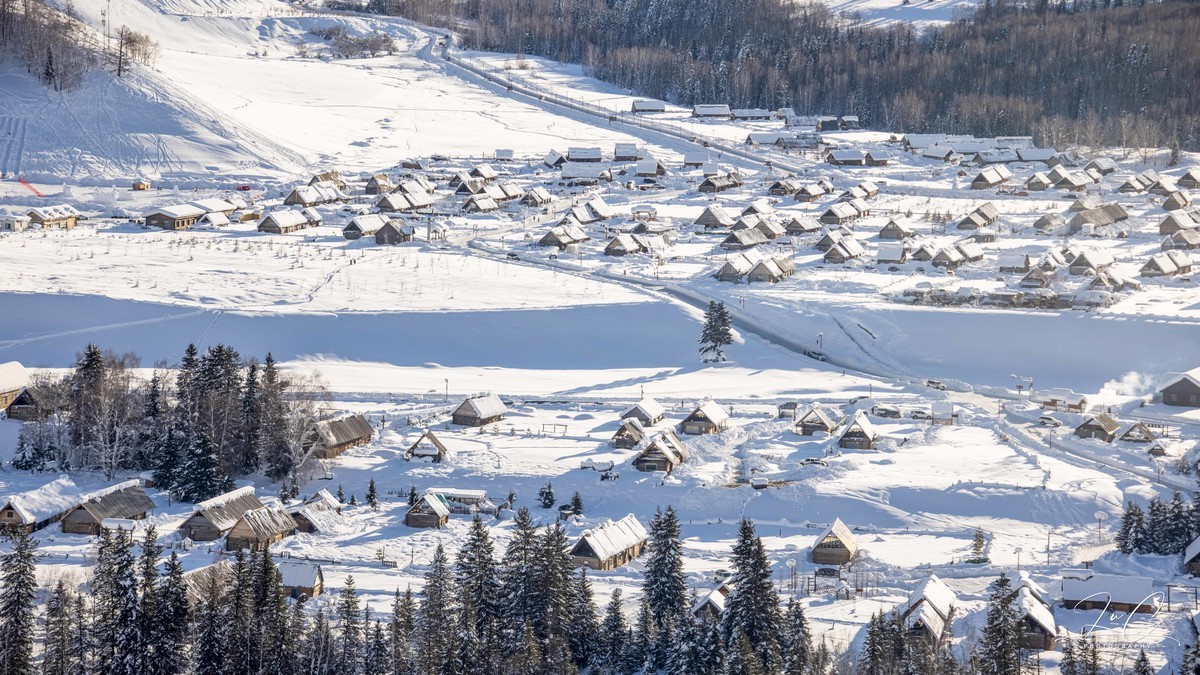
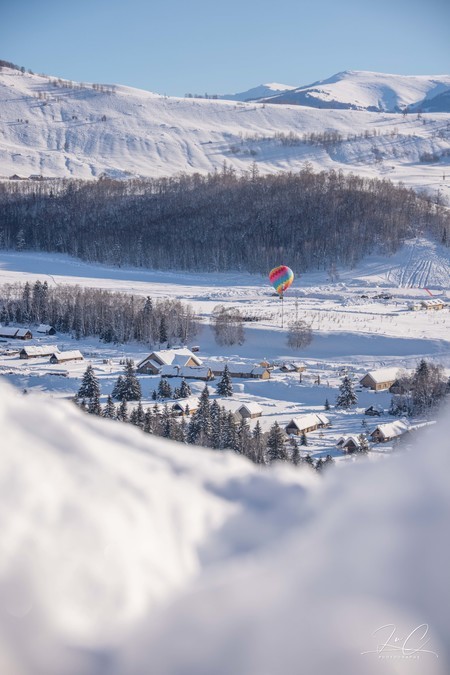
Huo Mu is now engaging in more and more activities. And guess what? They even have hot air balloons now! In the pure blue and white world, there is a colorful hot air balloon scattered among the scenery. The picture is unexpectedly beautiful~
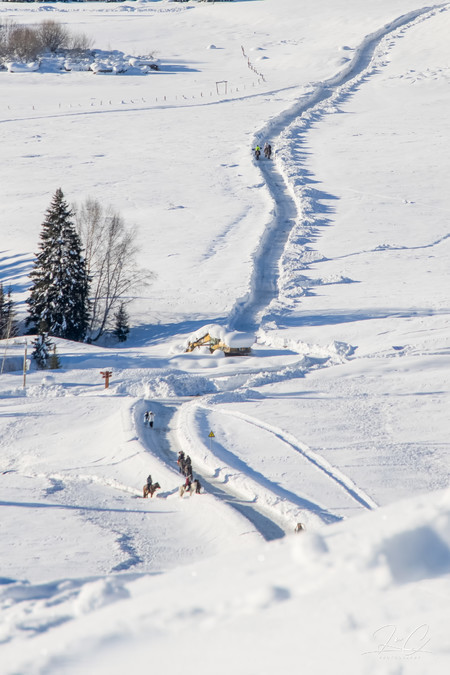
Here, many people bring their dogs to play! The dogs are completely not afraid of the cold. They are having a great time frolicking and rolling in the snow. Ah ah ah, when can I bring my big golden retriever out to play with them? Xinjiang is really too far away.

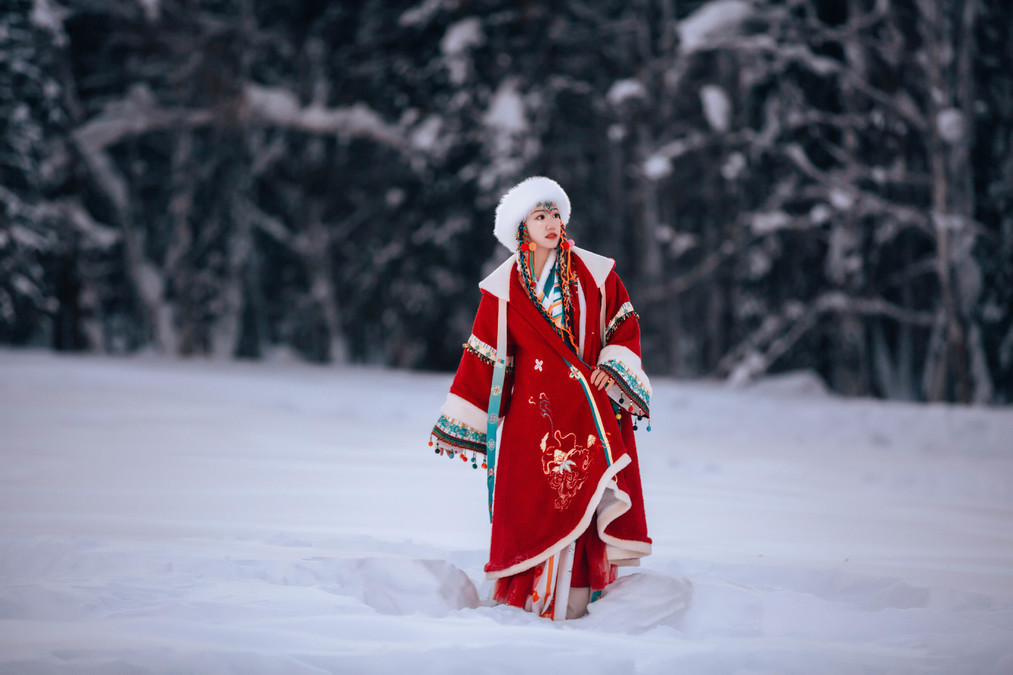
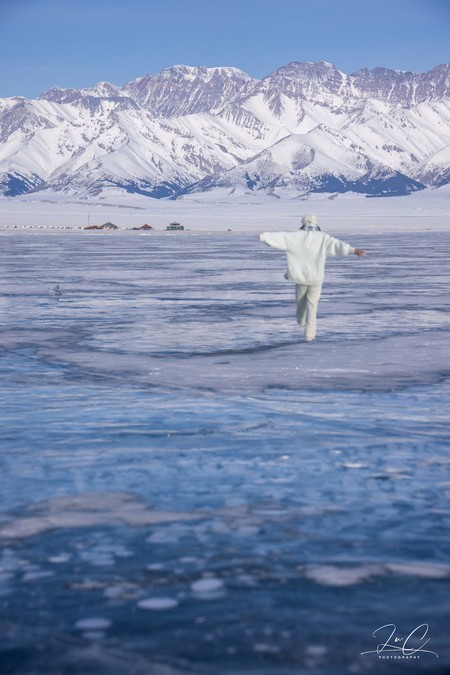
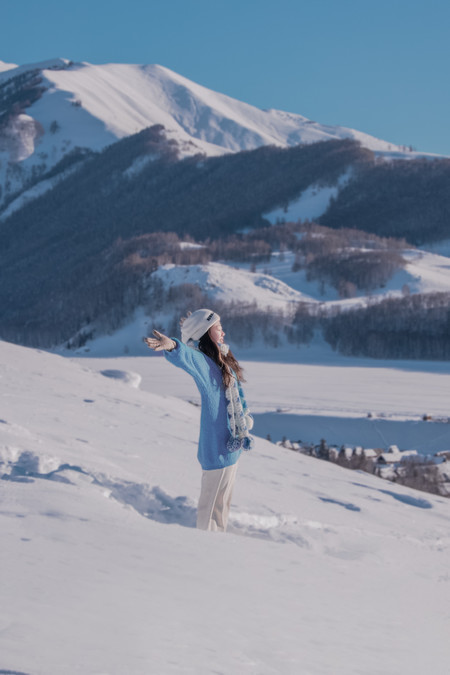
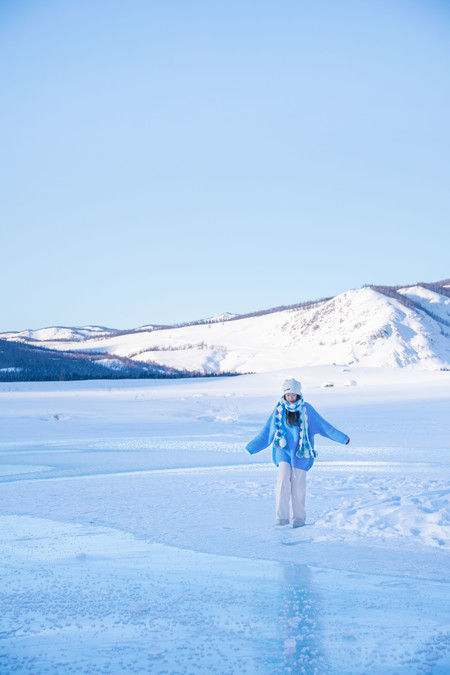
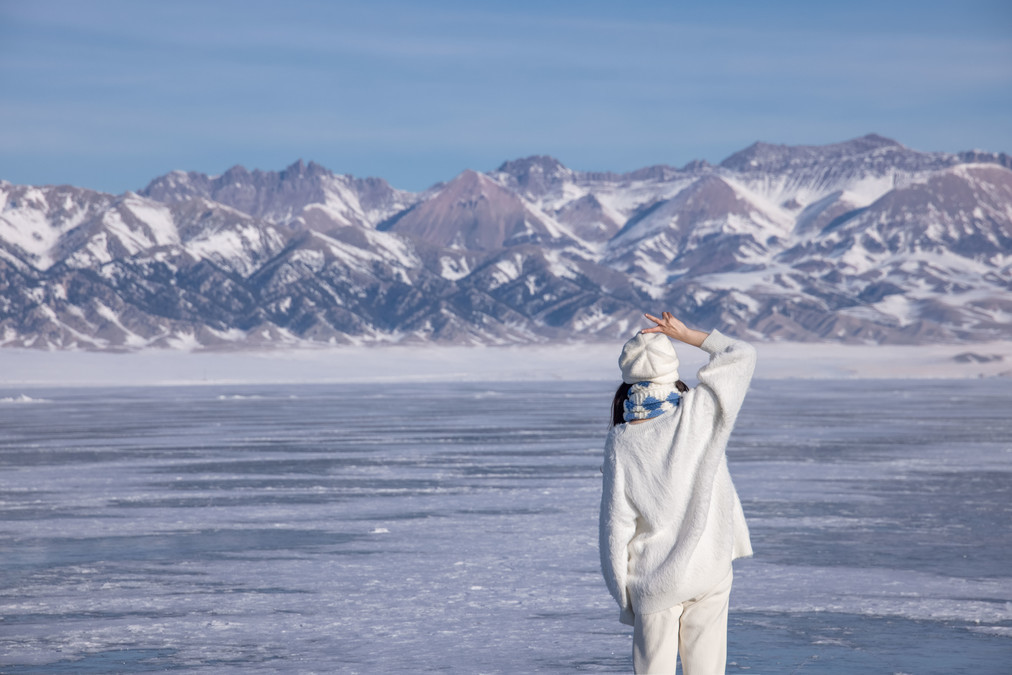
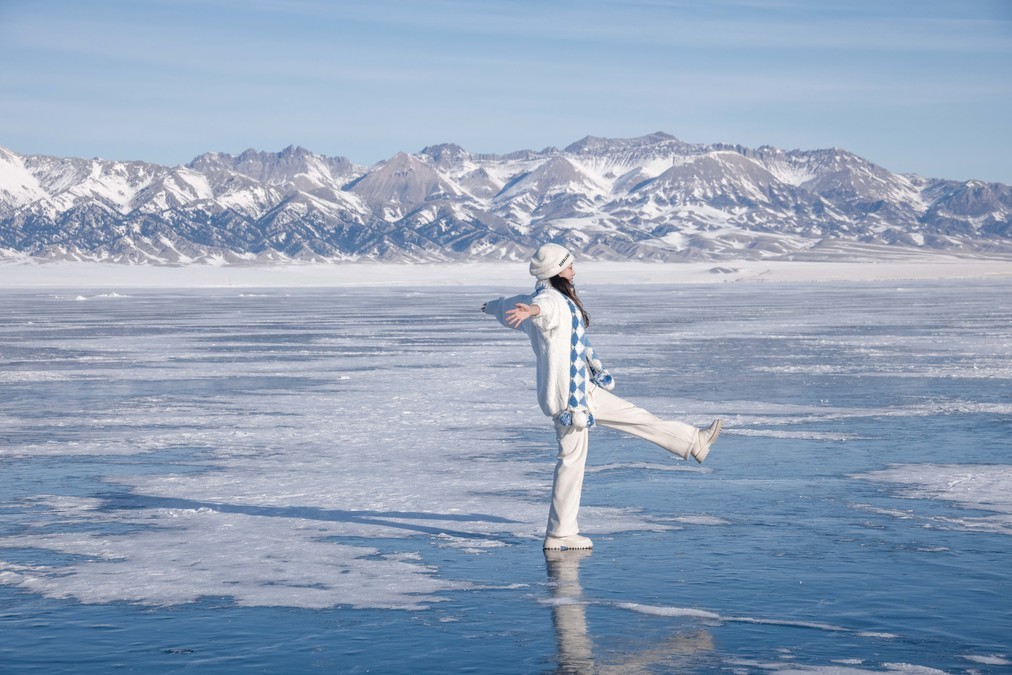
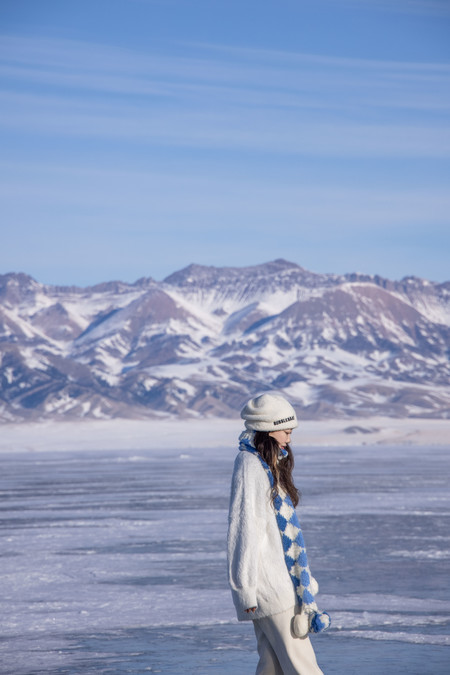
The clothes I wore for this trip were very simple. I wore a blue sweater, a white sweater, along with white pants, a white hat, and a blue and white woolen scarf throughout the entire journey. In the snowy northern region of winter, simple colors work very well. White and blue are complementary colors that blend seamlessly with the scene. The blue sweater pairs well with the snowy Hemo and Kanas areas, and the white sweater pairs well with the blue ice world of Selim Lake. When photographed, the entire scene looks very clean and natural. Our group wore the most red clothes. The red color's点缀in the snow is also very special. The day before, when I was shooting ethnic costumes, I chose a red one (but mainly because that set was the thickest and warmest), and I prefer a more light and fresh style for my own clothes.

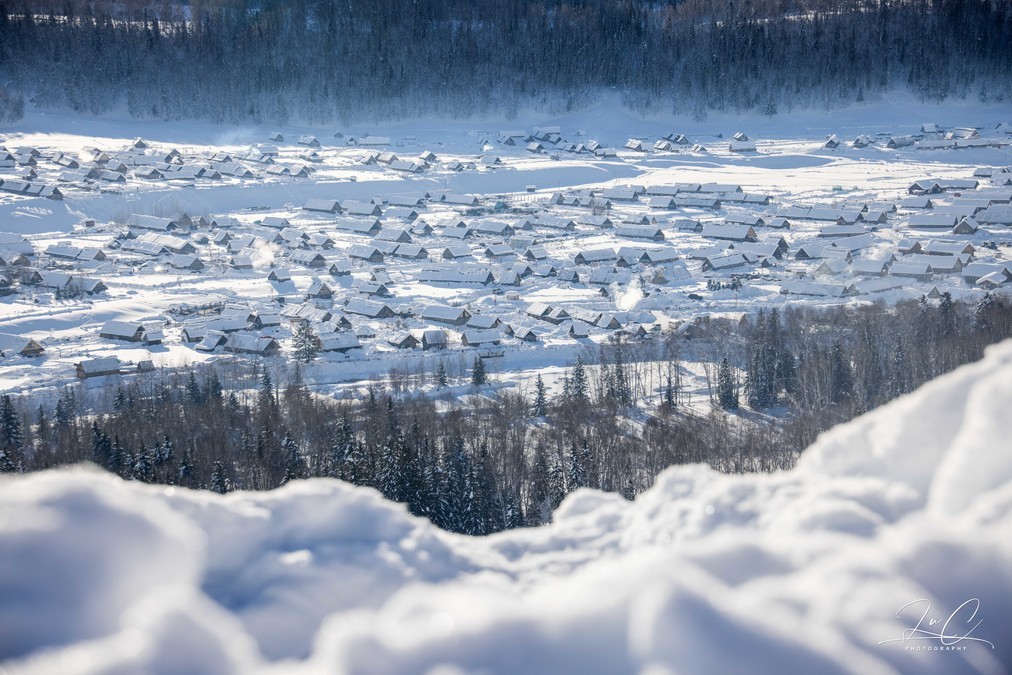
Although Hemei Village was overcrowded during the Spring Festival, when I looked down from the observation deck, I didn't feel that there were many people. I really, really like Hemei when it's snowing. Here, there are the purest scenery yet it doesn't lack the warmth of daily life. This trip was too rushed and I just took a cursory look. In the future, if I have the chance to visit the northern Xinjiang region in winter, I think I will probably choose to directly stay in Hemei for a week. I'll bring snowboards and go skiing on the Jikuping mountain for a day of powder snow. When I'm not at the ski resort, I'll play in the snow in the village or stay by the fireplace of the small wooden house and have a cup of milk tea.
Kanas: A Marvelous Place on Earth
The Kanas Scenic Area is located in the middle section of the Altai Mountains, covering an area of over 10,000 square kilometers. It features snow-capped mountains, glaciers, rivers, lakes, forests, grasslands, and villages. Due to its beautiful and unique scenery, it is known as "God's Backyard". The broad Kanas Scenic Area encompasses 55 different attractions, including Kanas Lake, Sanwan, Baihahaba, Hemo Village, Jadingyu, and many others, all falling within the scope of the Kanas Grand Scenic Area.
The area we often refer to as the Kanas Scenic Area mainly consists of the Kanas Village, Kanas Lake, Shenshen Bay, Moon Bay, Wolong Bay, and the Taiga Forest Corridor. There are shuttle buses connecting these scenic spots, but they are suspended during winter. There are no fixed bus services available either, so Kanas in winter is much less popular than Huma.
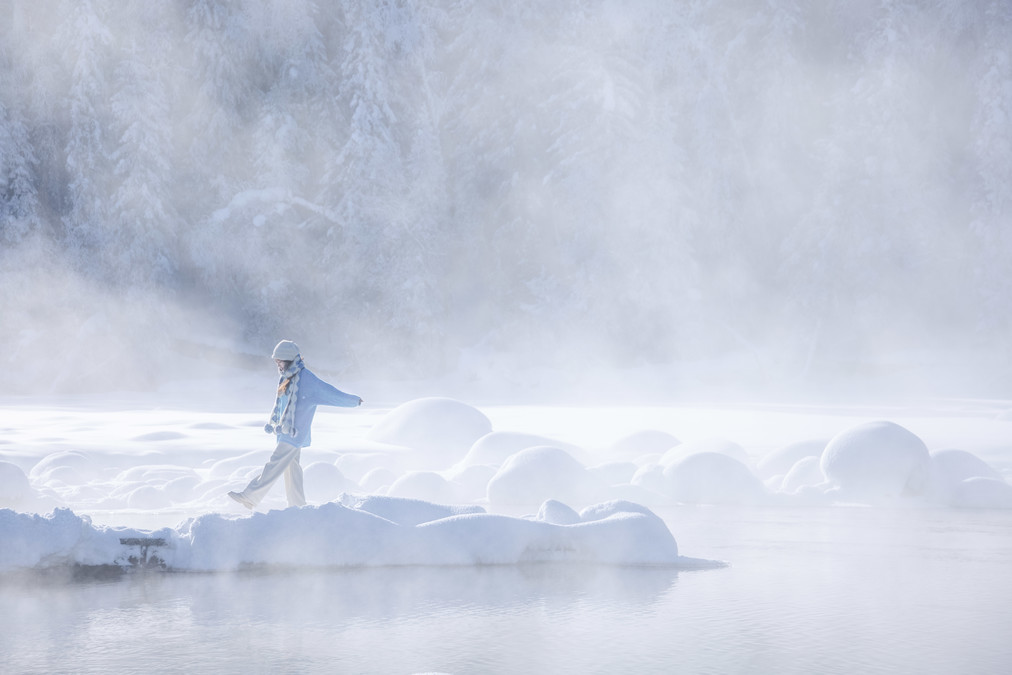
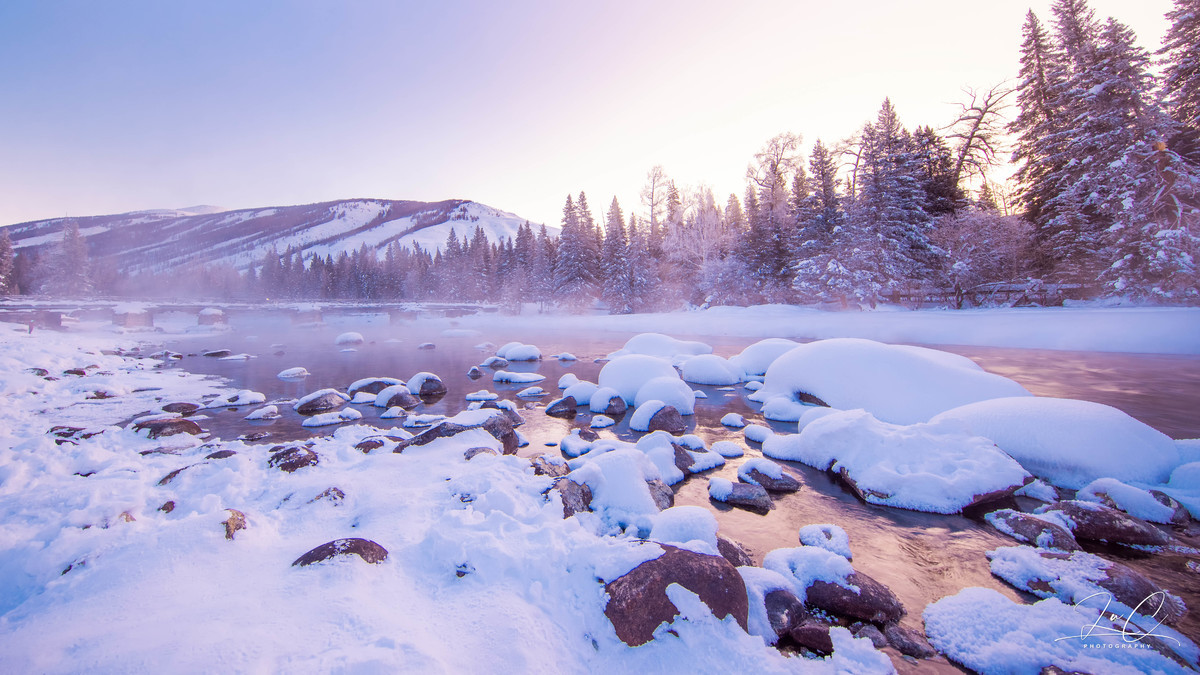
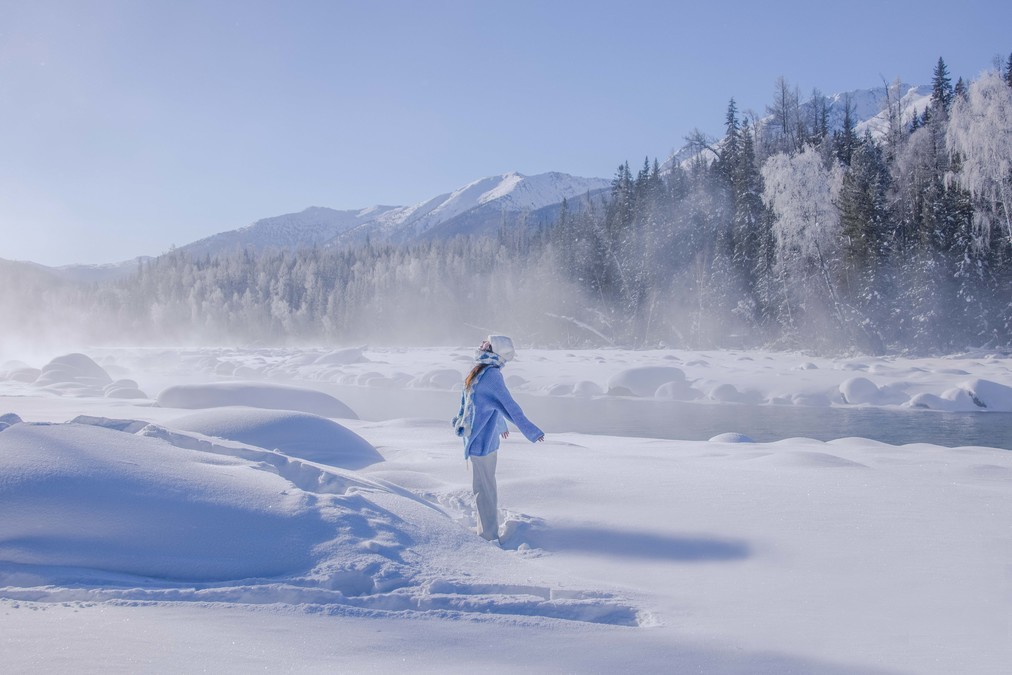
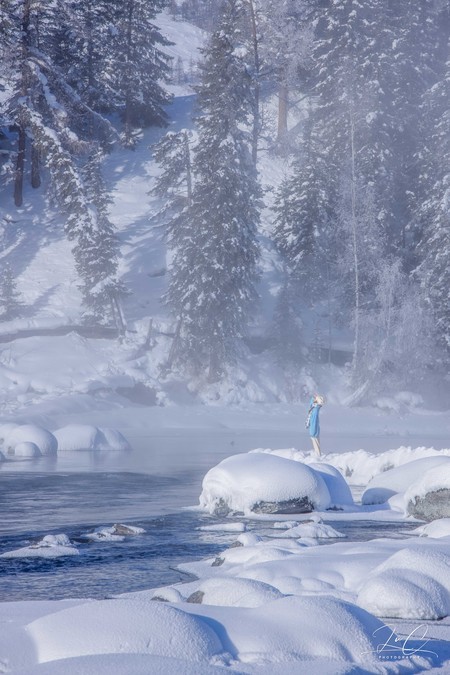
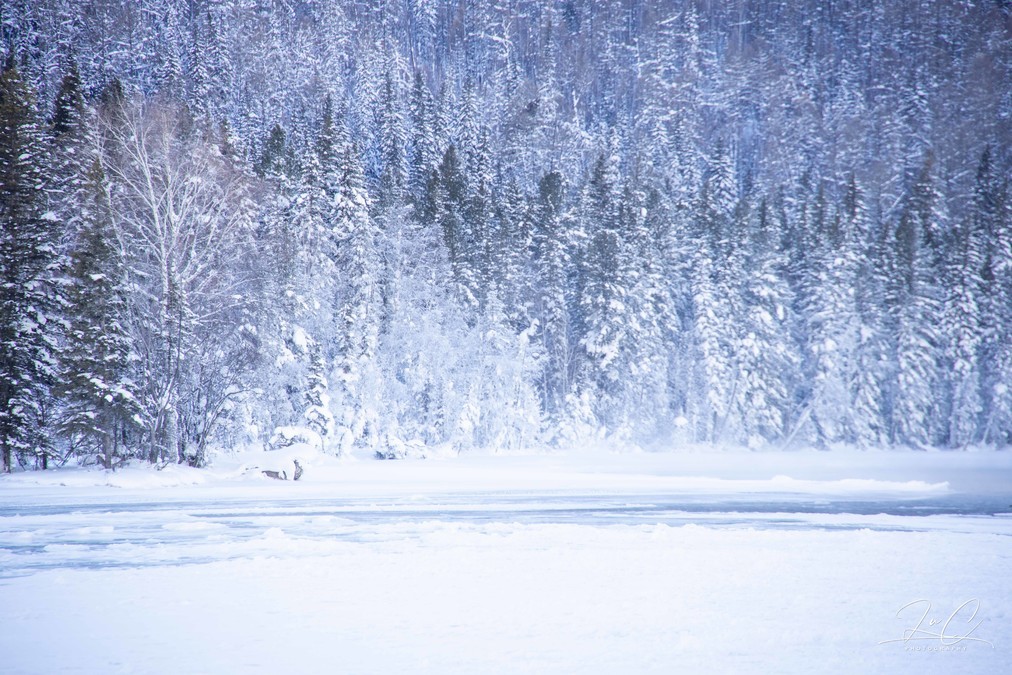
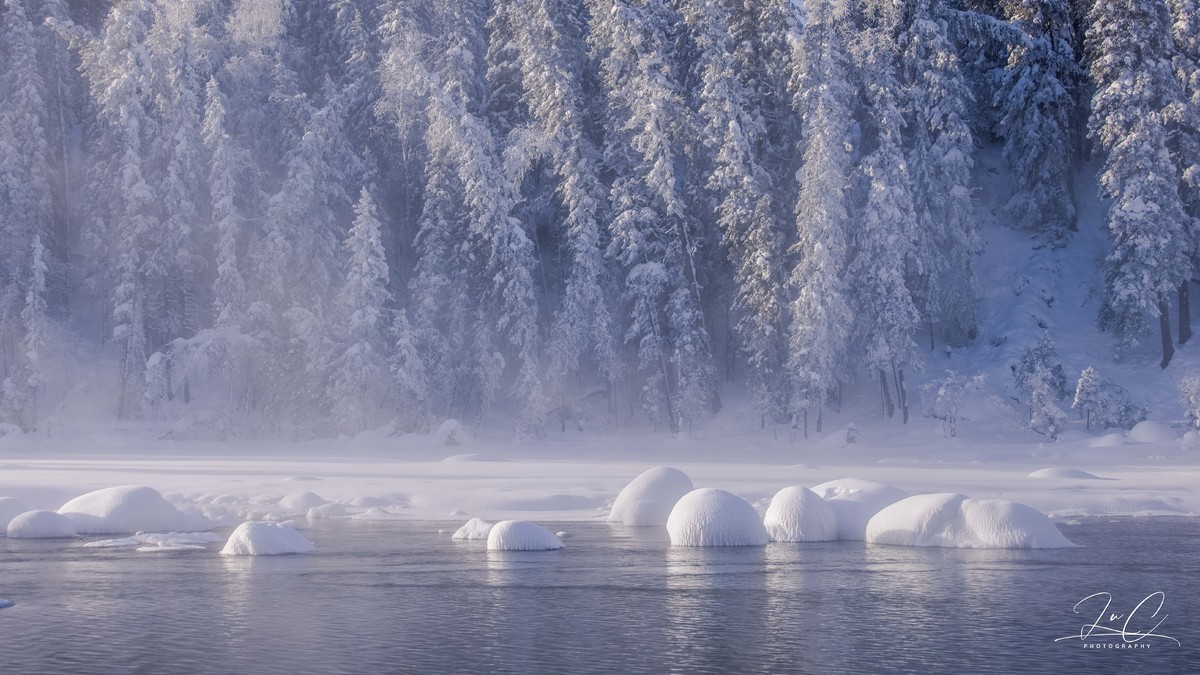
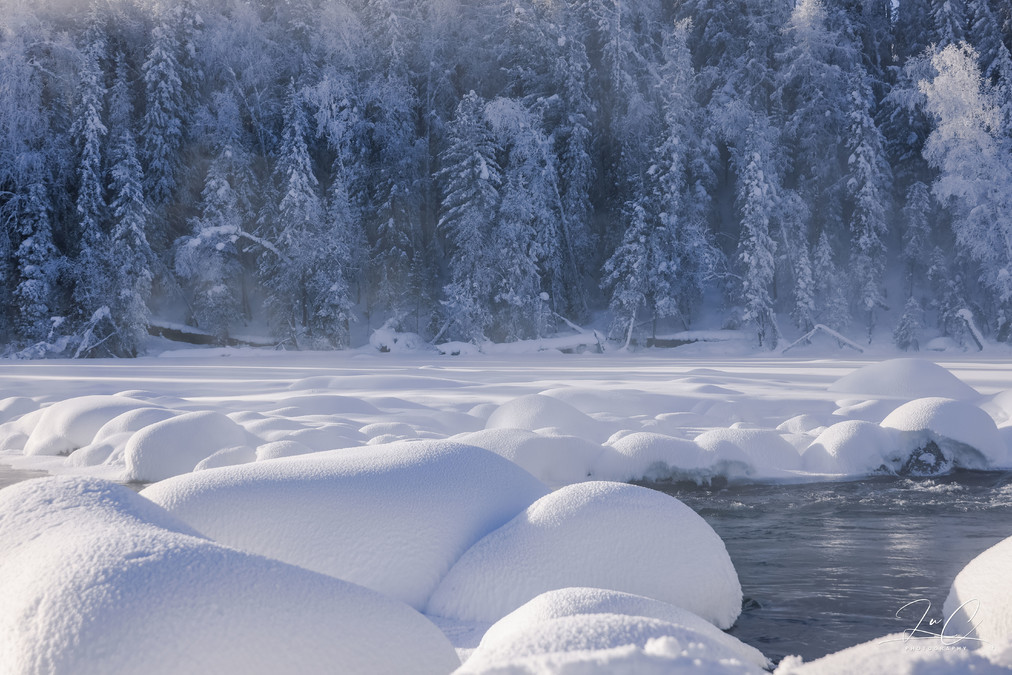
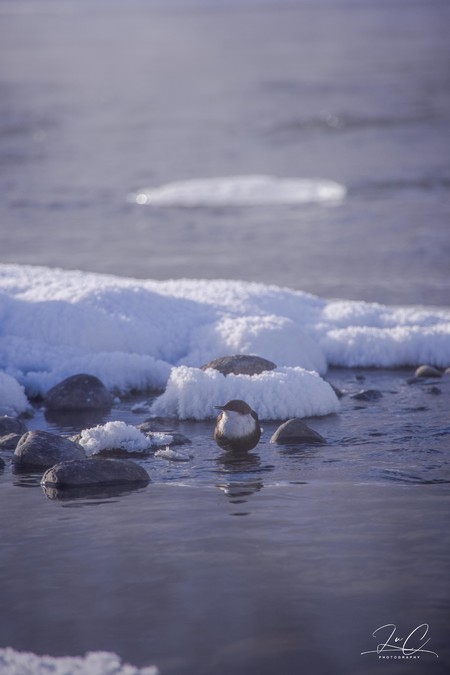
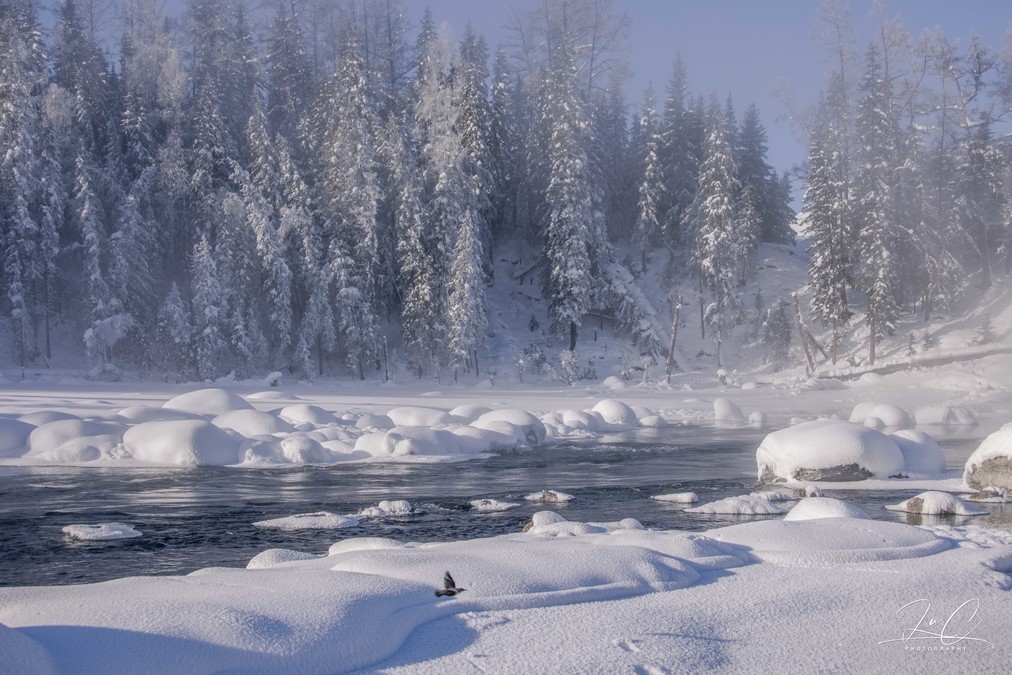
The Kanas Village is divided into the New Village and the Old Village. Just like Hohhotu and Baihaiba, it also features small wooden houses with pointed roofs. Covered in snow, it is also very beautiful. However, the most unique scenery here in winter is the persistent fog on the unfrozen river and the icicles on both sides of the riverbank, as well as the round "snow buns" formed by the snow covering the river stones, and the waterfowl and wild ducks swimming on the river.
【Kanas Three Bays】
After descending from the viewing platform in Hemo Village, we had lunch in Hemo Village. At one o'clock, the vehicle took us slowly out of Hemo Village and headed towards Kanas. After entering Kanas, we would first pass through the three bays (in sequence: Dragon Pool Bay, Moon Bay, and Immortal Bay) as we headed north, and then reach the accommodation in the old Kanas Village. From there, we would head further north to reach Kanas Lake.
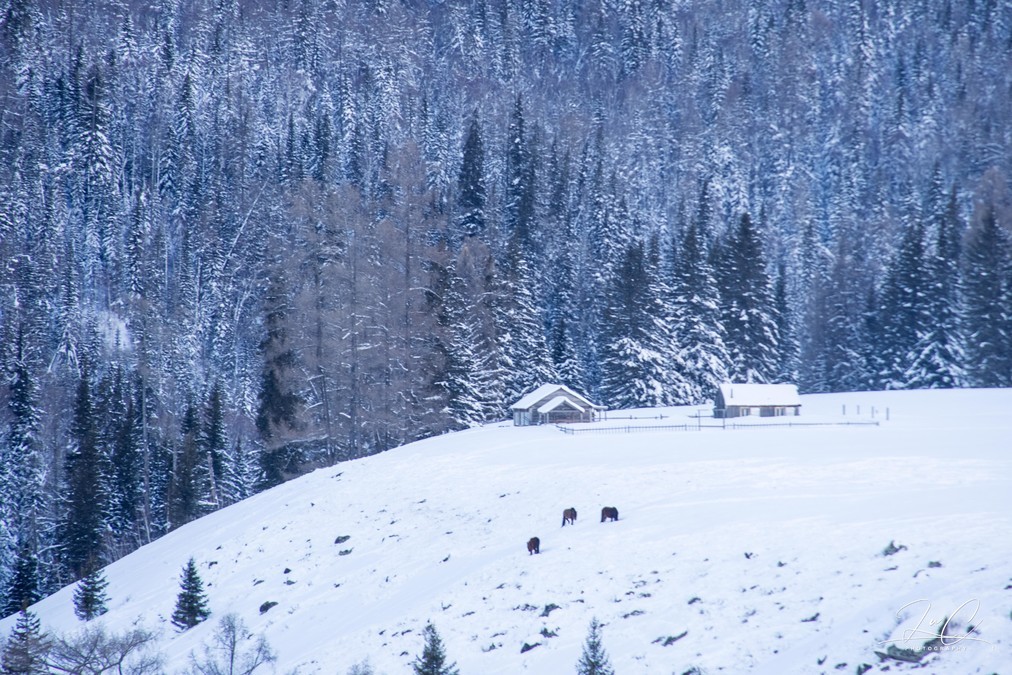
In winter, Kanas is covered with ice and snow. The large Kanas Lake does not freeze completely to form a non-freezing river along its entire perimeter, but the lower part of the Kanas River does freeze solid. Wolong Bay and Moon Bay are all covered with snow, making everything indistinguishable. Especially when we arrived at around four o'clock, it was the time with the poorest light conditions, and the direction was a strong backlight, which greatly reduced the beauty of the scene. When we came out at noon the next day, there was no backlight, but Moon Bay was unable to be parked in the direction out of the scenic area due to the slope, so we only took a quick glance from the car.
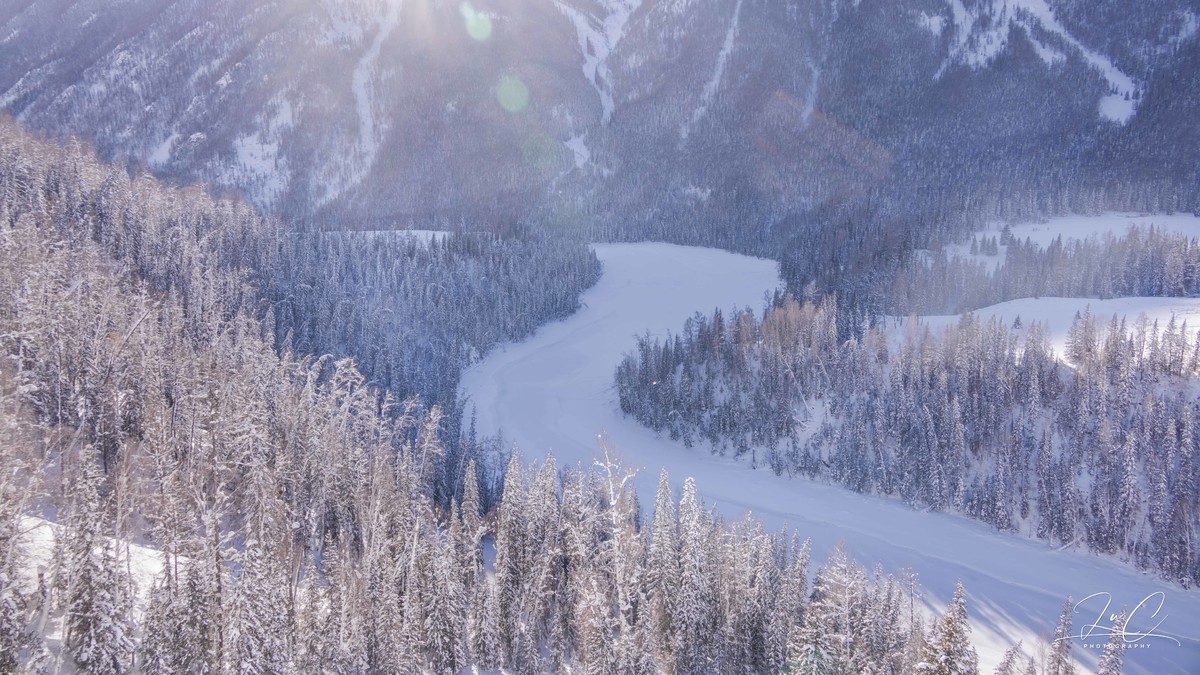
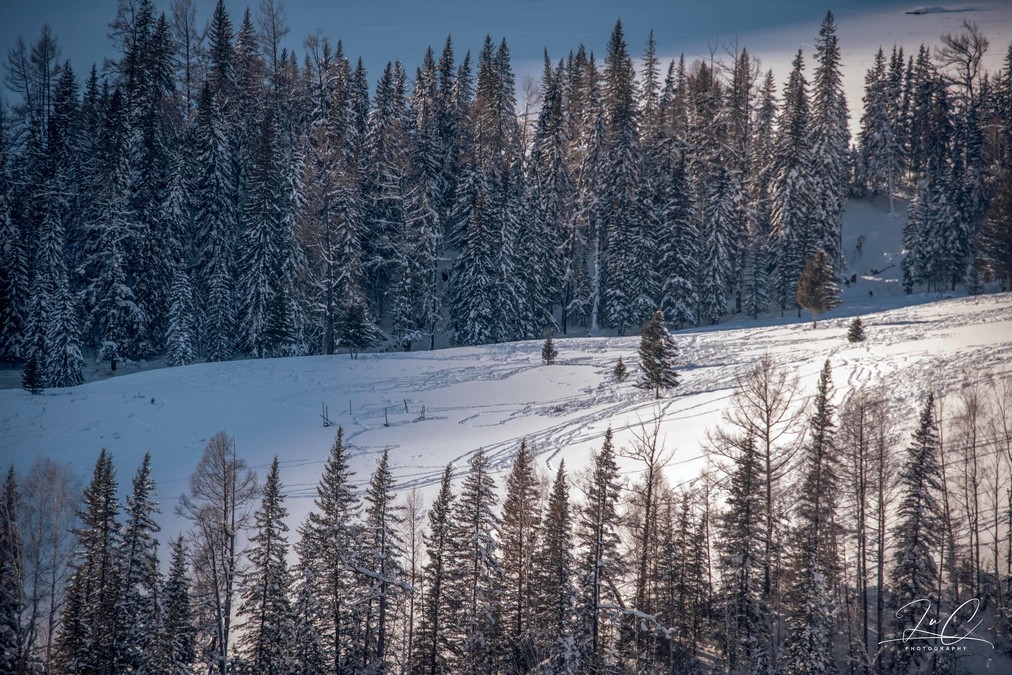
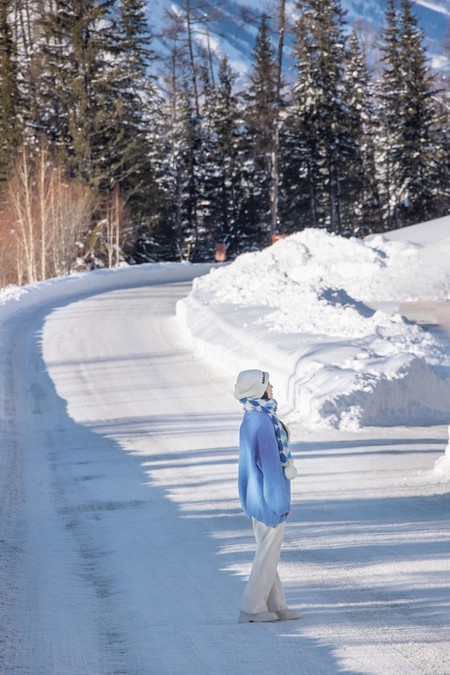
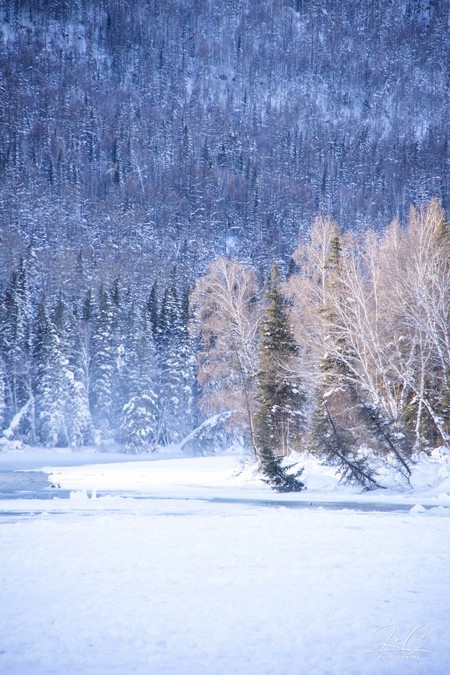
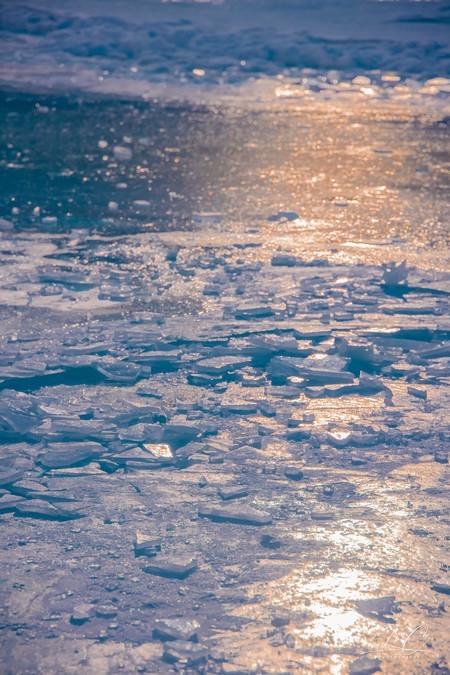
We only stopped at the viewing platform in Wolong Bay and Moon Bay. But we walked down to Shenshen Bay. Here, some parts of the ice surface are not covered by snow. The transparent blue ice surface is dotted with small ice flowers. In the distance, some parts of the river surface are not frozen either, and you can see the faint mist and icicles. It's still very beautiful.
【Kanas River】
We stayed in the old village at night. There were far fewer tourists in Kanas compared to Hohum. The old village was not large and not fully occupied. Many guesthouses and restaurants were not open. Finally, we were able to quietly and peacefully experience the atmosphere of the rural small village.
Right beside the village is the Kanas River. It's very close to the lake. The area where the river doesn't freeze is a bit larger. The local driver who brought us here said there would be fog in the morning, but it would clear up by midday. So I and a few of my fellow tourists who were fond of taking photos started walking to the river early in the morning before dawn to capture the morning mist. But later it turned out that this wave of fog hardly cleared up for the entire day.
The village in the early morning was still in a state of slumber. No one was around. However, a group of horses were strolling leisurely, forming a line and making their way to the river to drink water. Then, they formed the same line again and strolled back on their own. How adorable!

Perhaps it was because of the mountains and forests blocking the view that it wasn't until nearly 10 o'clock that the sun came out and the riverbank scenery was finally illuminated. The scenery by the river was truly breathtaking. The gentle morning mist, the icicles, the flowing water cascading through the snowfield - every breath was icy cold. The condensation from my breath froze my hair into a white mess, but I still wanted to embrace this scene with all my might.
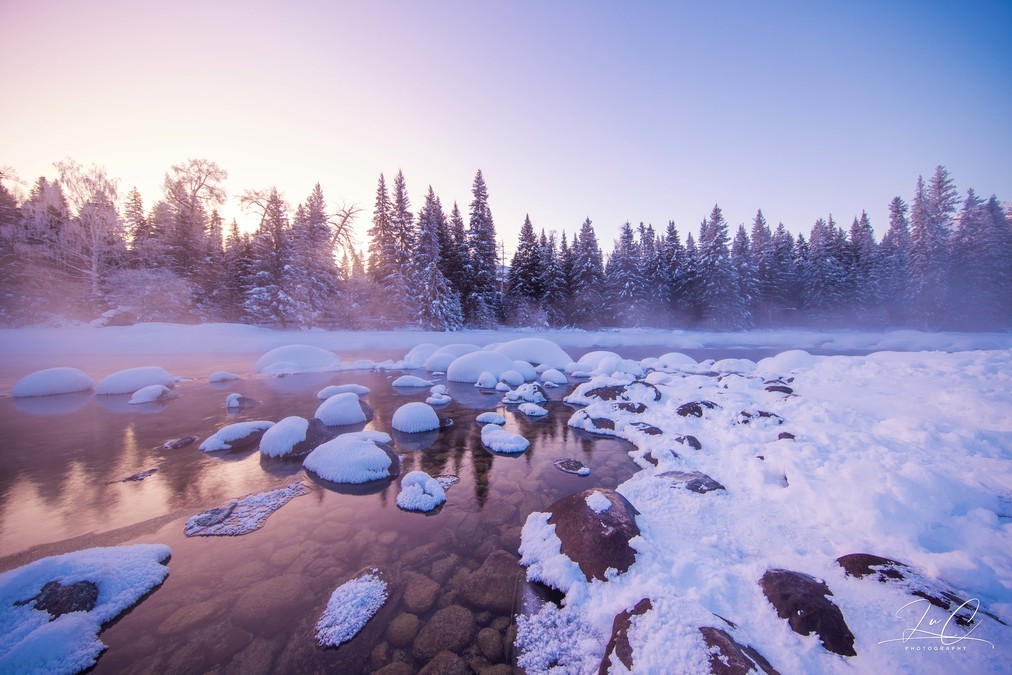

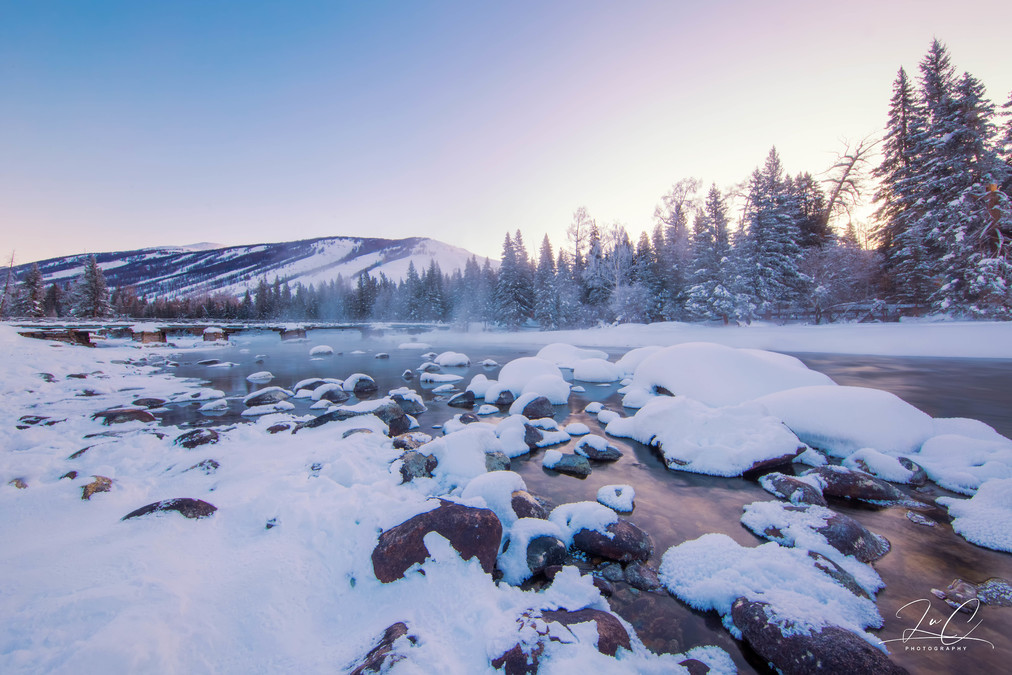
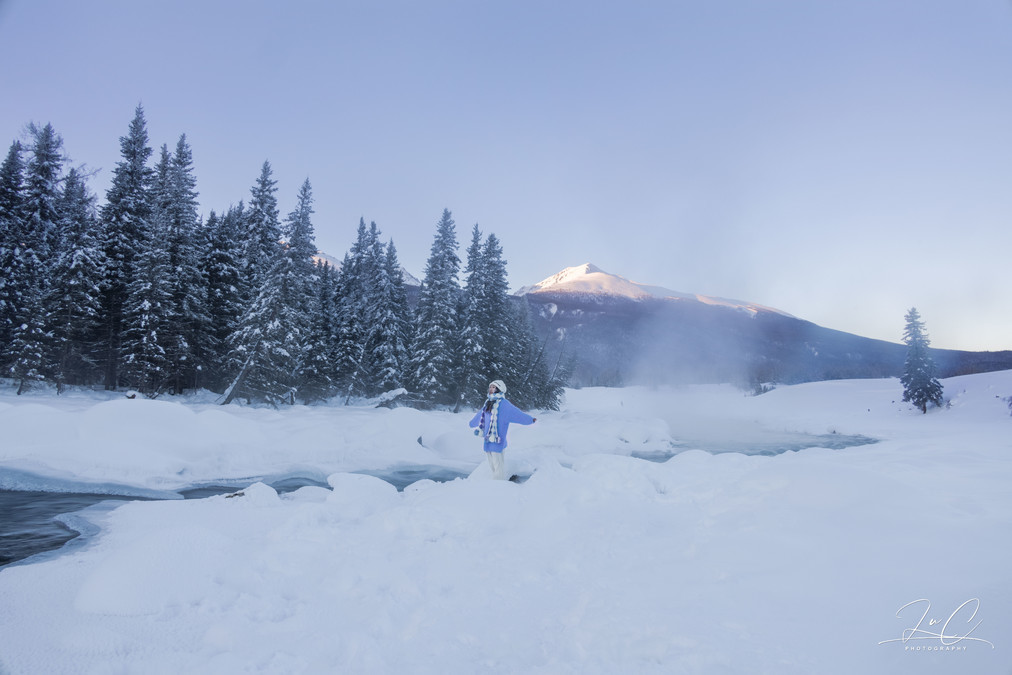

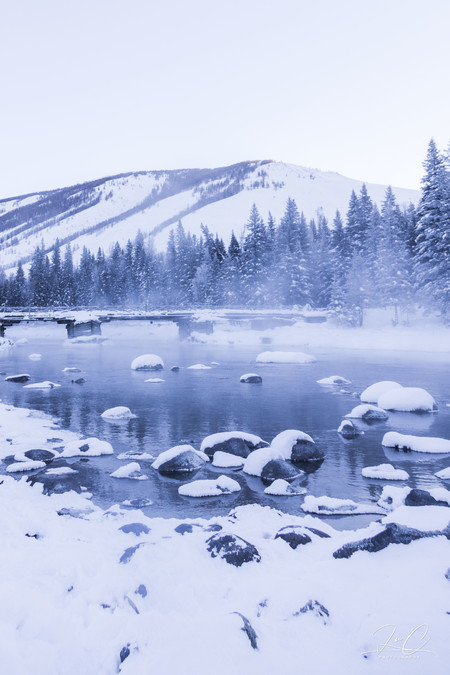
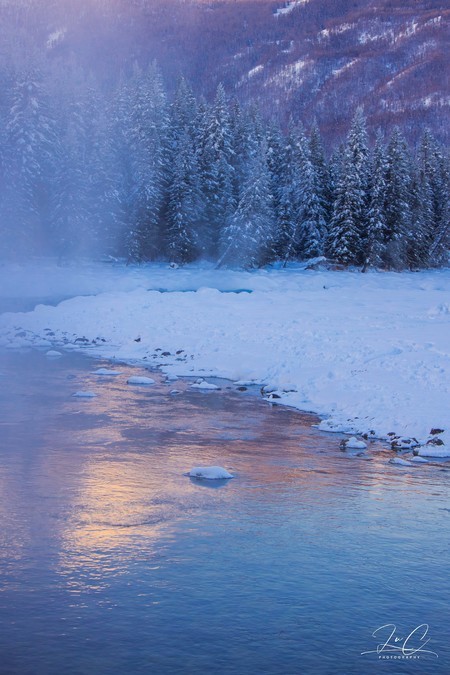
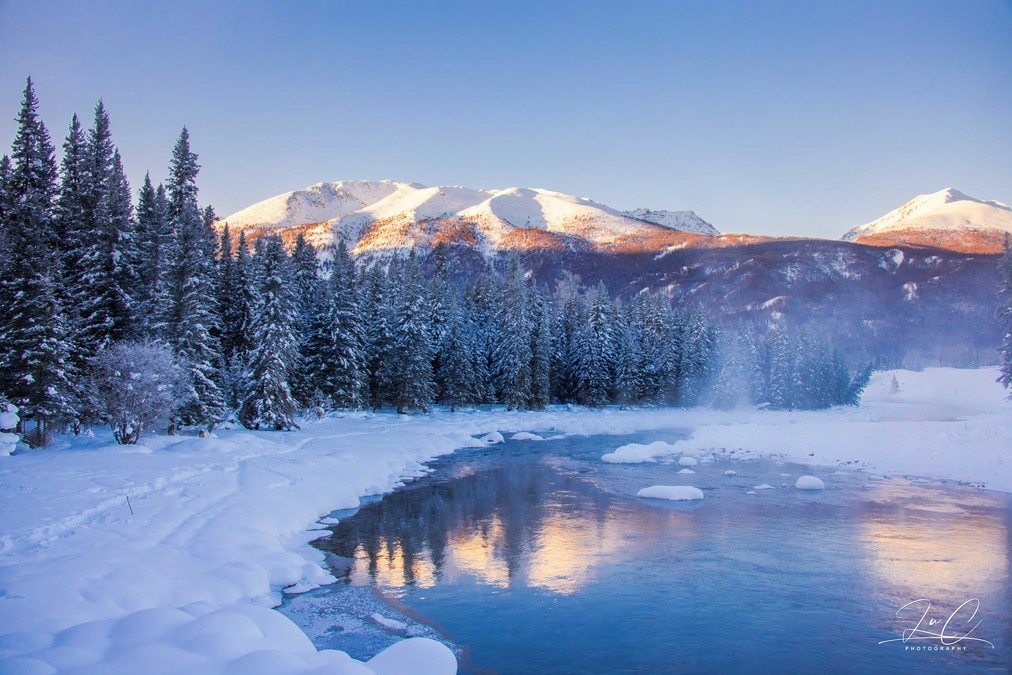
Because we had to gather and set off together with the group, we didn't have time to wait until the sun rose and illuminated the forest. I think I could have waited for Daintler light in another half an hour! Joining a tour group has these inconveniences, and tour groups simply don't consider the concept of the best shooting time at all.
【Kanas Lake】
At 11:30, we arrived at the shore of Kanas Lake. Although the sun had risen, it was still a fairyland here! The persistent fog lingering on the unfrozen river, the frozen forest in the distance, and the "snow dumplings" piled up on the river all made my entire heart want to be submerged in this scene. I frantically pressed the shutter!
The photo couldn't capture the ethereal and dynamic beauty of the mist. But I'm really not good at shooting videos. I didn't bring a stabilizer either, and the camera was too heavy to hold. I recorded a few videos with my phone, but maybe due to the extremely cold weather, they were constantly freezing and stuttering. I can only leave this beauty in my memory now!


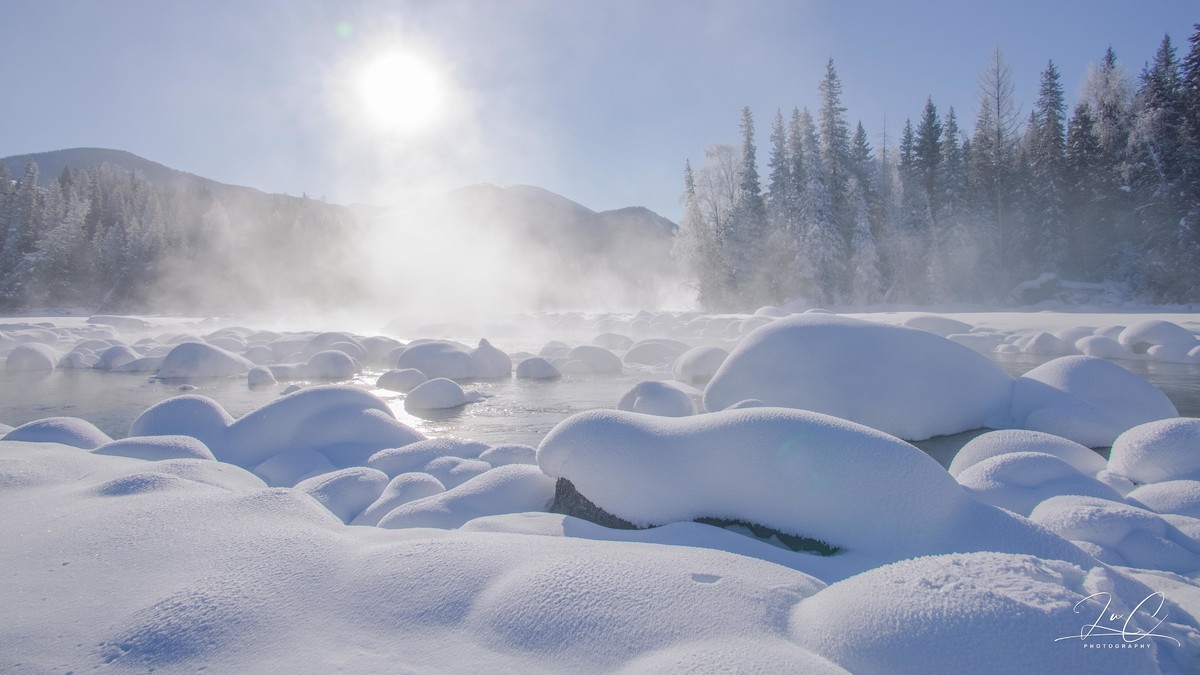
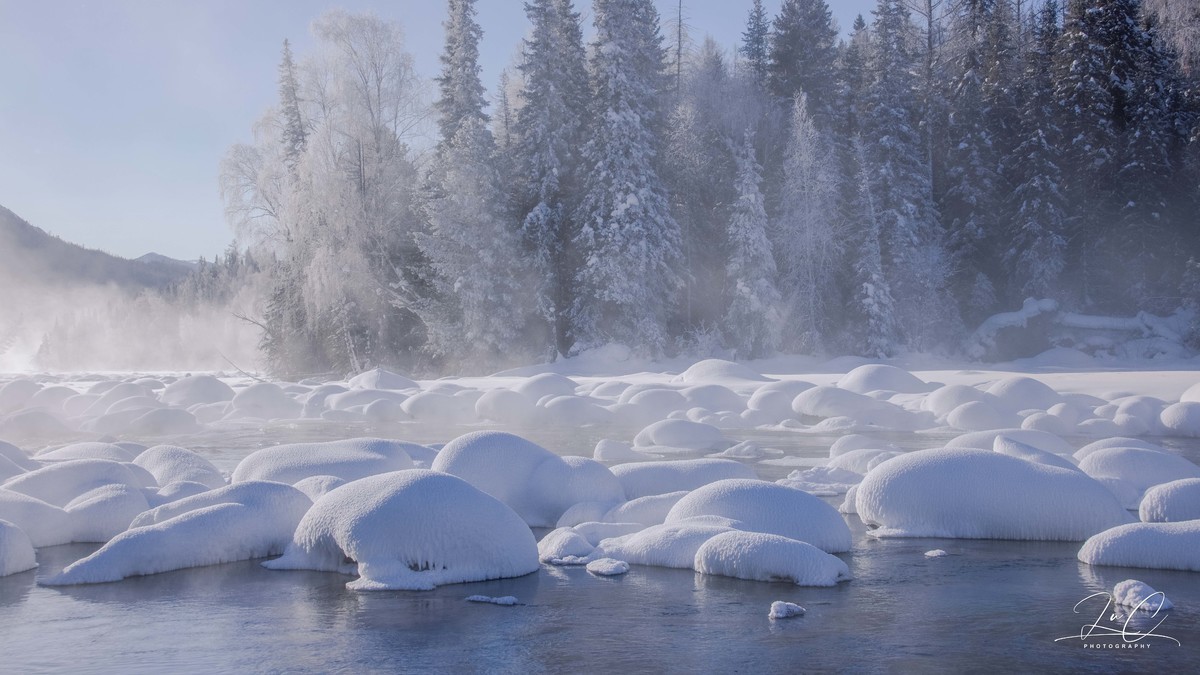
The girls in the group are frantically taking a hundred photos of each other here! This place is perfect for taking portraits! And it's especially suitable for capturing portraits of people in small environments. Personally, I think Kanas and Humu are more suitable for visiting in December when the snow isn't so deep. When we arrived, the snow was too deep, which largely restricted people's movement. We basically just played in the area that tourists had trampled out at the front gate. It was very difficult to go further into the deeper areas. And even if we went there to take portraits, they would look very ugly - our legs were gone.
There is a wooden walkway by Kanas Lake, which extends along the river all the way. It is a very long outdoor hiking route. But now this wooden walkway is almost completely covered with snow. If you come earlier when the snow is not too thick, you can explore more beautiful scenery along the lake.
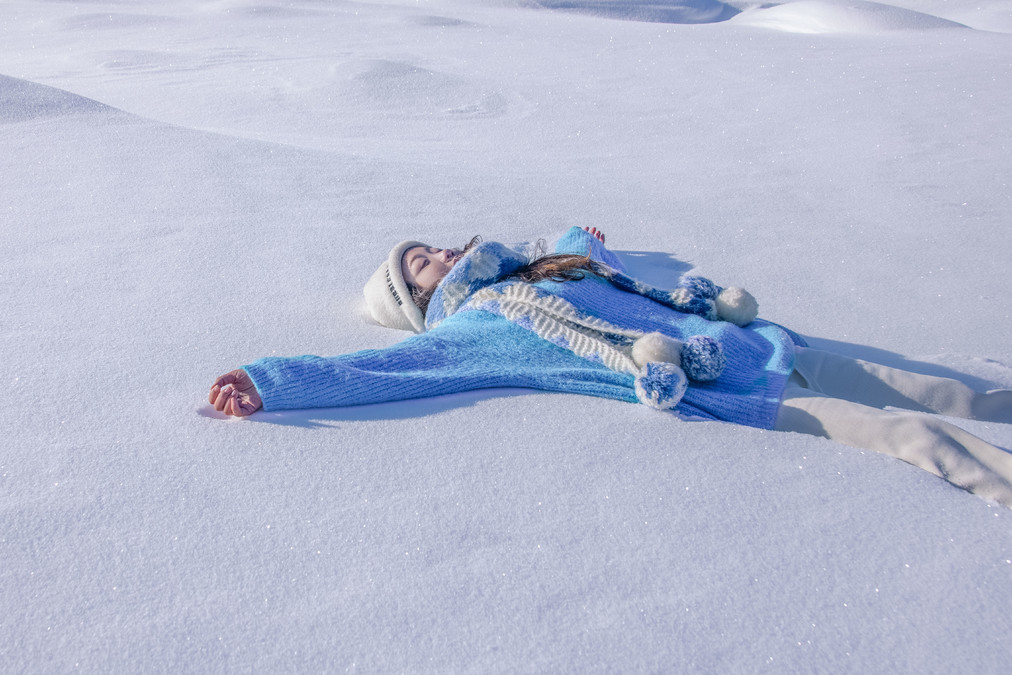
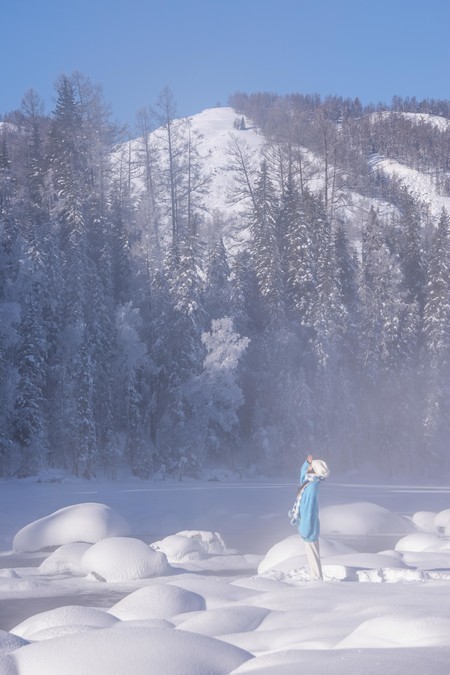
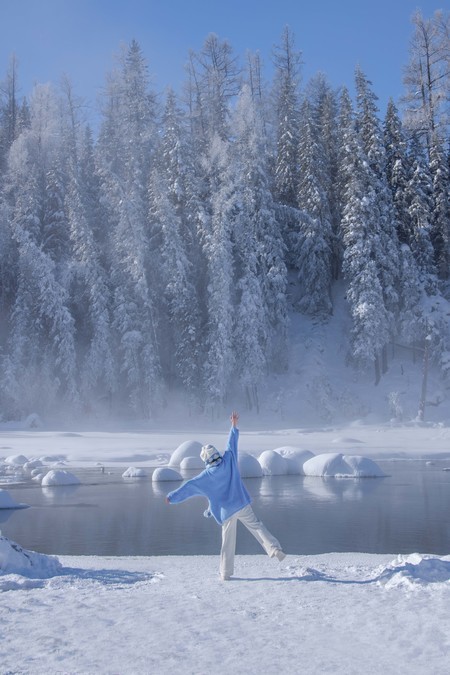
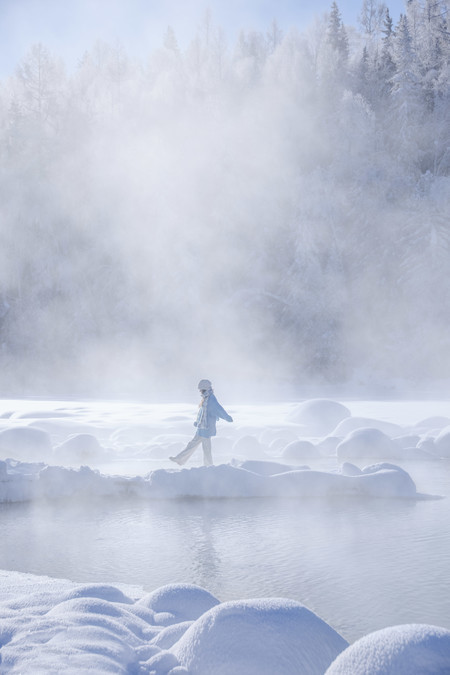
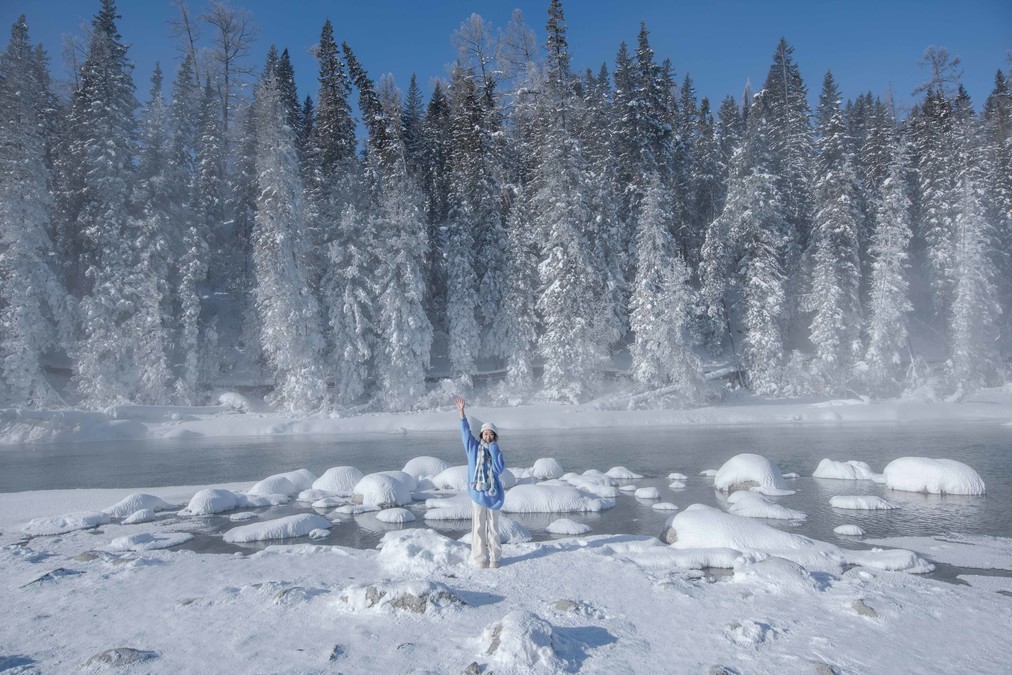
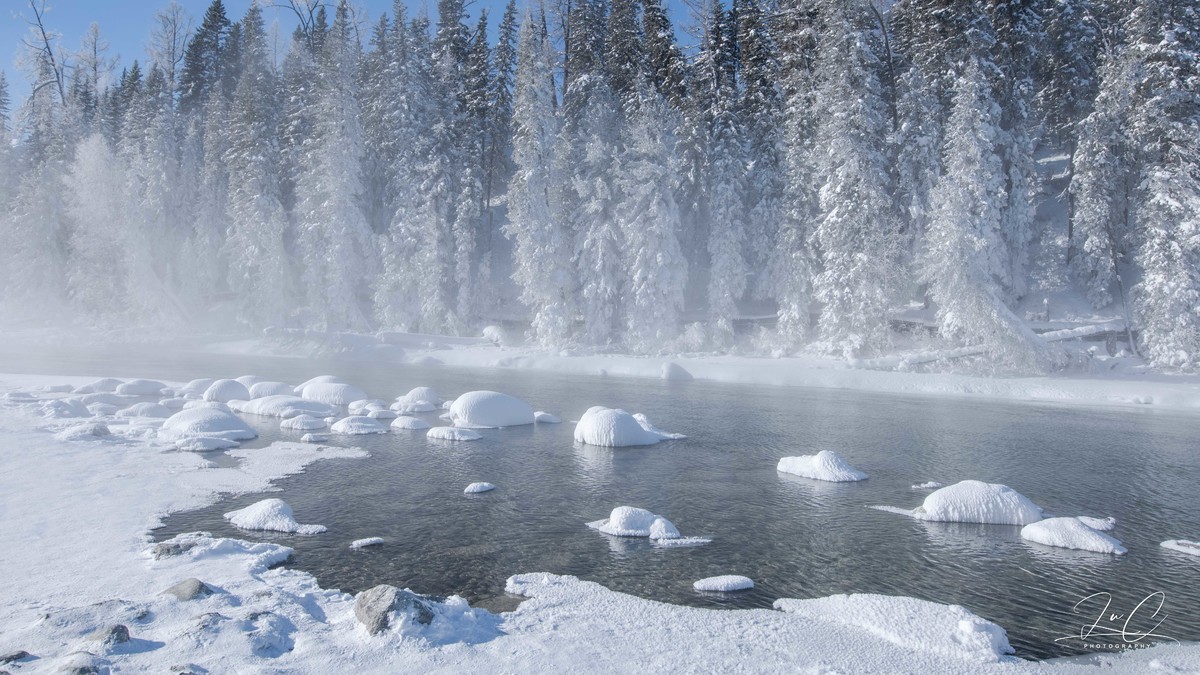
I traveled a long distance to Kanas, spent an hour by the lake and then left. I don't understand why we had to rush like this. We arrived in Bulting at 4 p.m. - here it gets dark around 7 or 8 p.m., so we could have stayed in Kanas for a while longer.
[Buertein]
In winter, Buertein was desolate. And with the strong wind blowing, the actual temperature was even colder than when we were in Kanas. After checking in at the hotel, we were free to move around. I went for a stroll with a few fellow tourists to the Russian-style street. To our surprise, it was completely empty and all the shops were closed. Then we turned to the food street to have some barbecue. The cuisine in Buertein is really great! It's cheap and delicious!!!


Wulhe is located in the northwest of Xinjiang and belongs to Karamay City. Before the Western Han Dynasty, this area belonged to Guishi Kingdom. Wulhe leads to Altay and Kanas Scenic Area in the northeast, to Urumqi in the southeast, and can reach Tacheng, Bortala and Yili directions in the west. Many trips in the northern Xinjiang pass through here. We also left Altay for the western part of Xinjiang via this place.
【Wulhe Devil City】
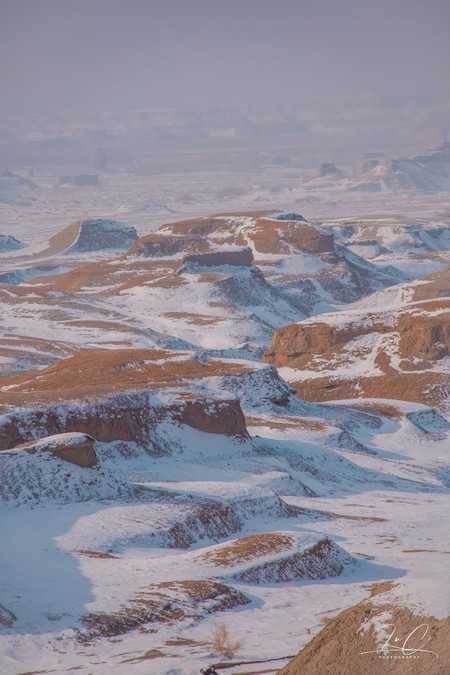
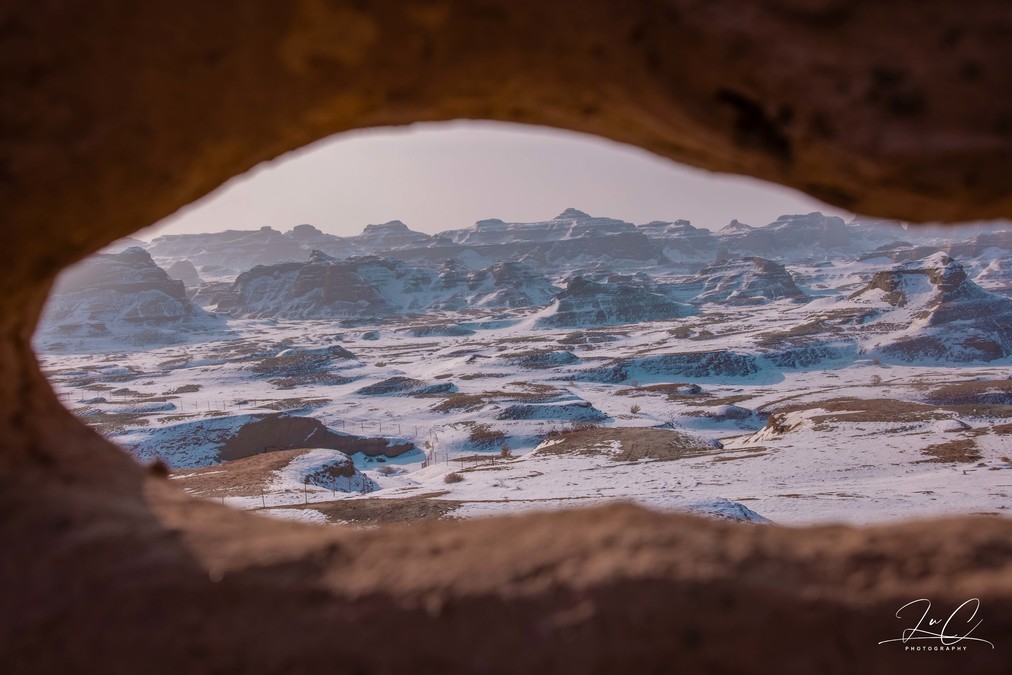
Wulhe has several representative attractions such as Devil City, Lake Eric, and the Populus euphratica forest. Devil City is a common type of Yadan wind-eroded landform in the northwest of China. The Uyghur people call it "Shayitankersi", meaning "Devil City". The Devil City in Wulhe is extremely magnificent and grand, and it has been the filming location for many movies (such as "The Hidden Dragon"). When I came here in autumn before, I witnessed a spectacular sunset here and it is still fresh in my memory.
The scenic area is quite large. You need to take the internal sightseeing bus. There will be audio explanations along the way. Then, you will stop at several fixed scenic spots to take photos. During the autumn season, there are a lot of tourists. The sightseeing bus is a long train-like vehicle. It stops at each station for sightseeing. When there are enough tourists, you can take the next bus to the next station. In winter, there are few tourists here. A group of people will share one minibus and complete the entire journey. There are 4 stops, and each stop lasts for 10-15 minutes.
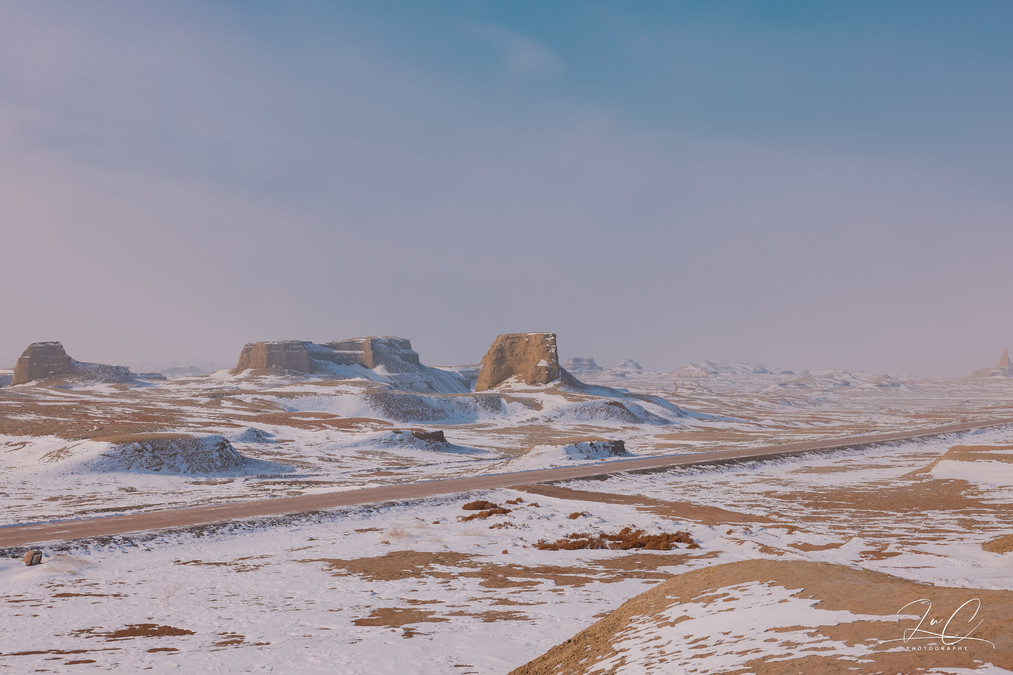
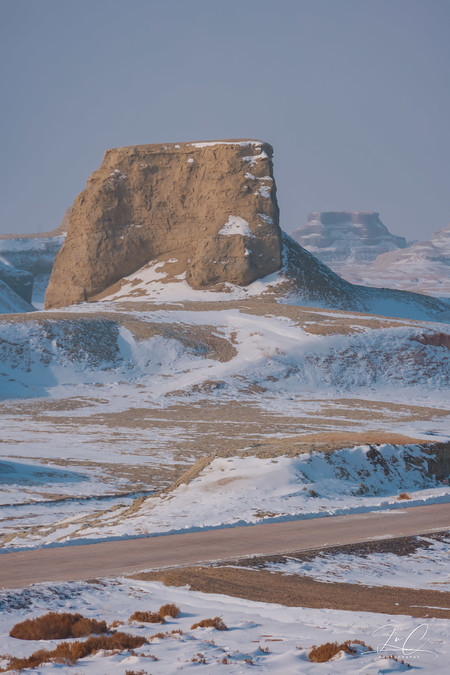
Once you leave the Altay region, the temperature gradually rises and the snow on the ground gradually decreases, giving me a feeling as if we have entered spring. I thought Ulheru was like the vast area of Yadan formations in Altay that was completely covered in snow, but upon arriving there, I realized that the amount of snowfall was much less than I had imagined. The Yadan formations there were in a scattered and partially exposed state, and it felt a bit ugly...

【Wulhe Poplar Forest】
Poplar trees are a type of tree that grow in deserts. They are cold-resistant, drought-tolerant, salt-alkali-tolerant, and wind-resistant, and have strong vitality. Most of the world's poplar forests are located in China, and 90% of China's poplar trees are in the Tarim Basin of southern Xinjiang. They are less common in the northern Xinjiang region. The poplar forest in Wulhe is described by the local people as "thousands of years old": "It won't die for a thousand years, it won't collapse for a thousand years, and it won't perish for a thousand years."
The poplar forest in autumn is very beautiful, but when it is completely bare in winter, it presents a completely different feeling. Tourists rarely come here to see the poplars in winter, but this place is quite favored by photography enthusiasts. The fallen branches and the fallen leaves on the ground can create some very desolate and decadent yet unexpectedly tense images. It is recommended to use a wide-angle lens.
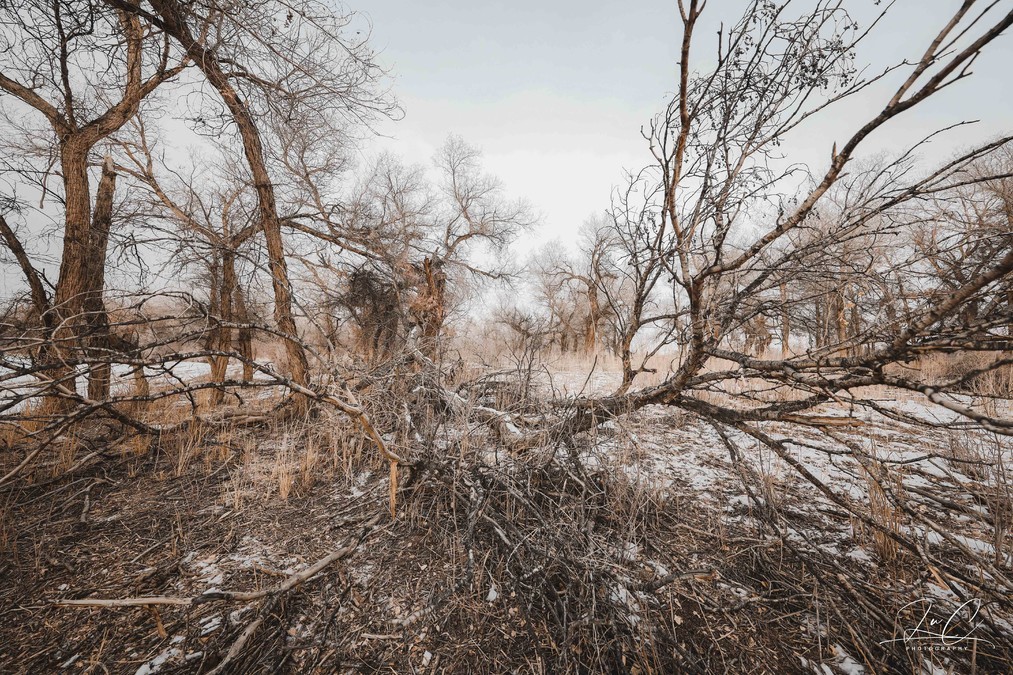
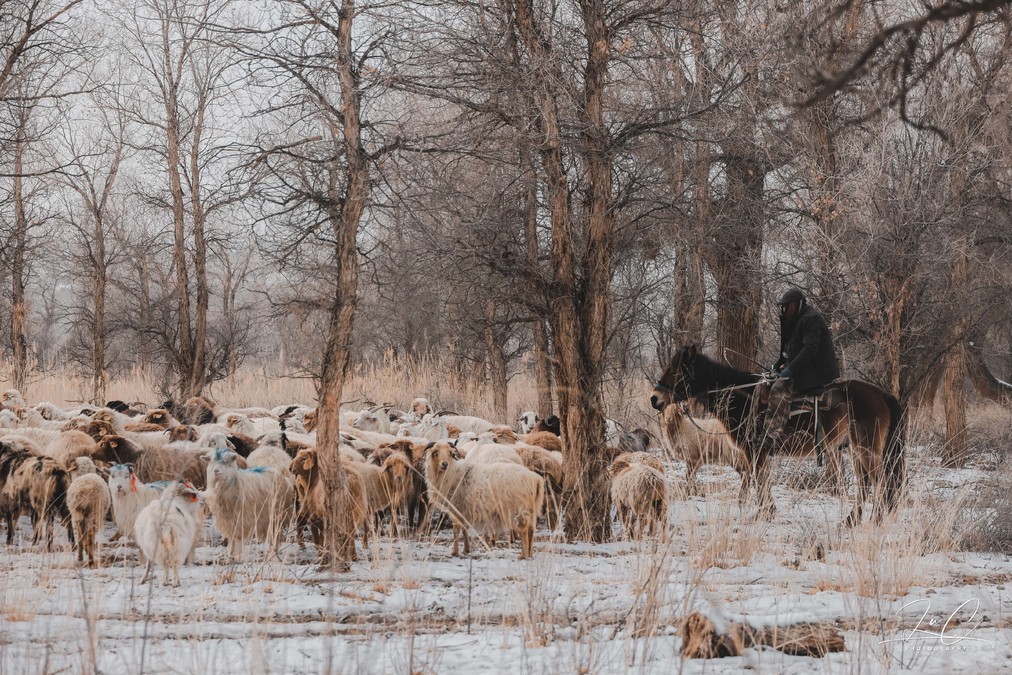
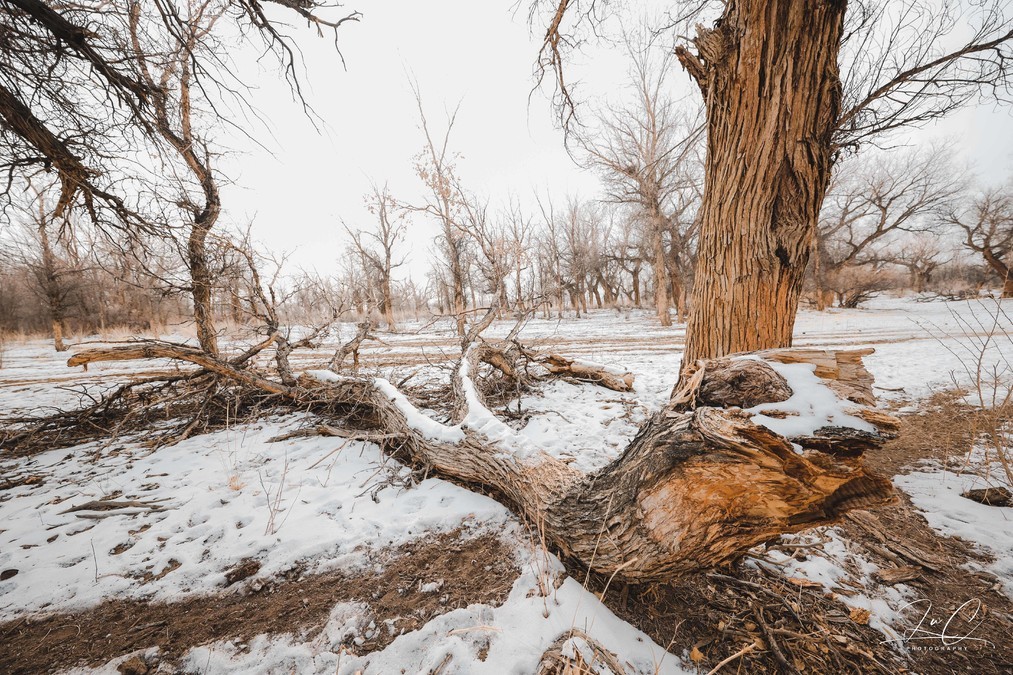

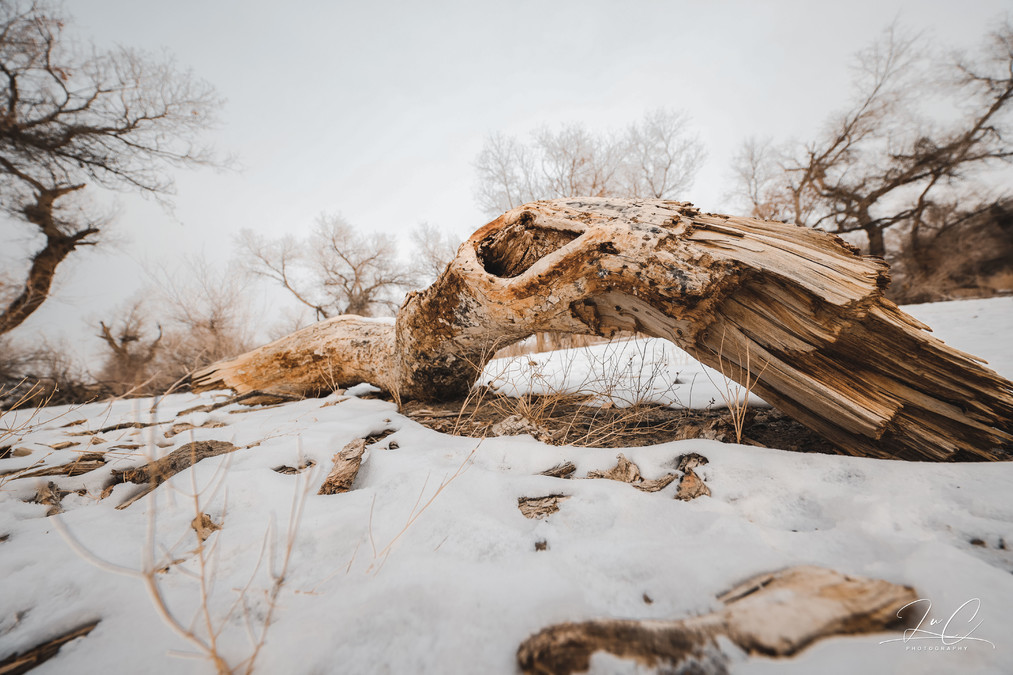

After leaving Wuerhe, we continued traveling westward to Qitun and checked into a hotel there.
Dushanzi Grand Canyon: The First Scenery at the Starting Point of the Dushan-Ekui Highway
The Dukuo Highway, namely the 217 National Road from Dushanzi to Kuqa, is also known as the Tianshan Highway because it runs across the Tianshan Mountains. This highway was built by tens of thousands of military personnel and officers over a decade in a harsh and challenging environment. Its completion has shortened the original 1,000-plus kilometers between the southern and northern parts of Xinjiang to just over 560 kilometers.
The starting point of this famous highway is Dushanzi. The first beautiful scenery along the highway is the Dushanzi Canyon. "China National Geography" describes the Dushanzi Grand Canyon as follows: "It seems that the earth suddenly ruptured, and a magnificent canyon was vertically excavated downward."
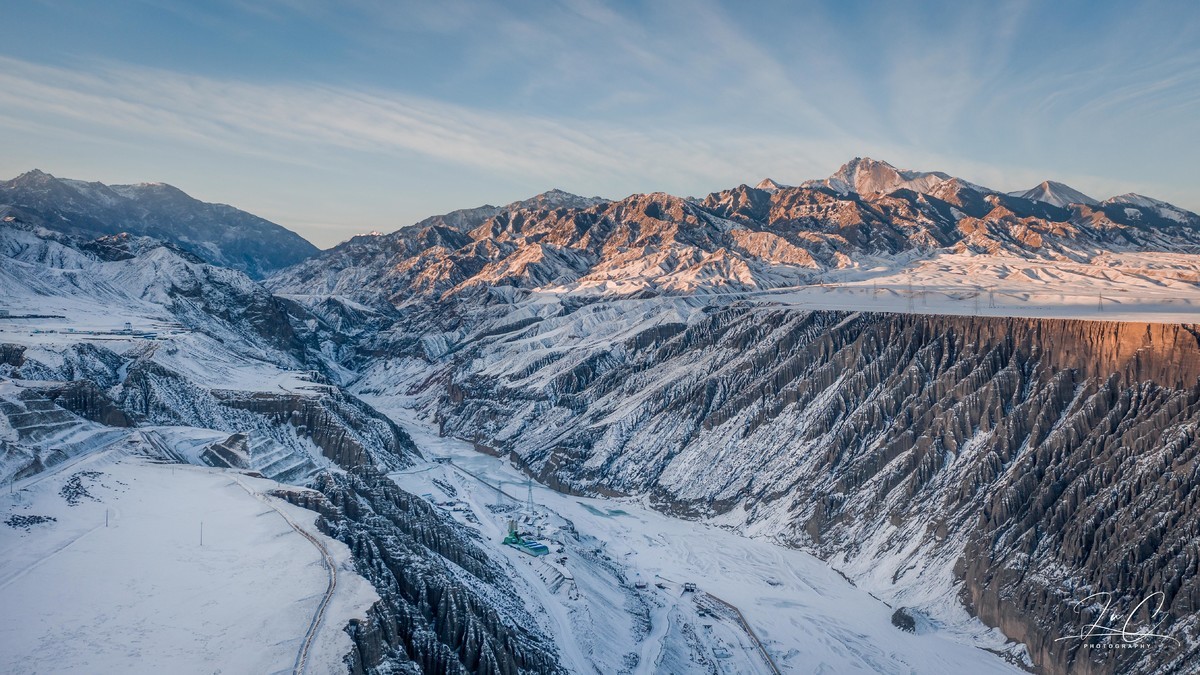
The canyon is located to the southwest of Dushanzi Mountain. It is approximately 20 kilometers long, about 2 kilometers wide, and about 400 meters deep. From the bottom to the shoulder of the canyon, the height can reach 200 meters. It extends from south to north. The water of the Kuitun River surges within the canyon. Due to the long-term erosion by water flow, the canyon walls have been eroded into a series of intersecting grooves, which is extremely spectacular.
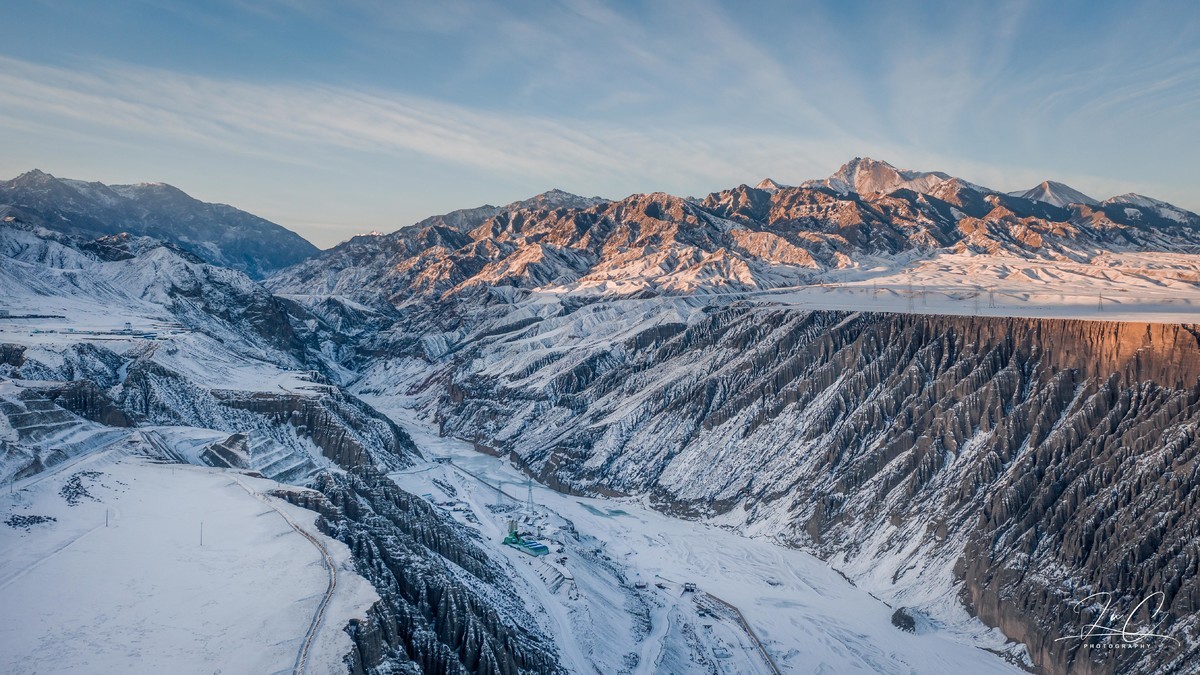
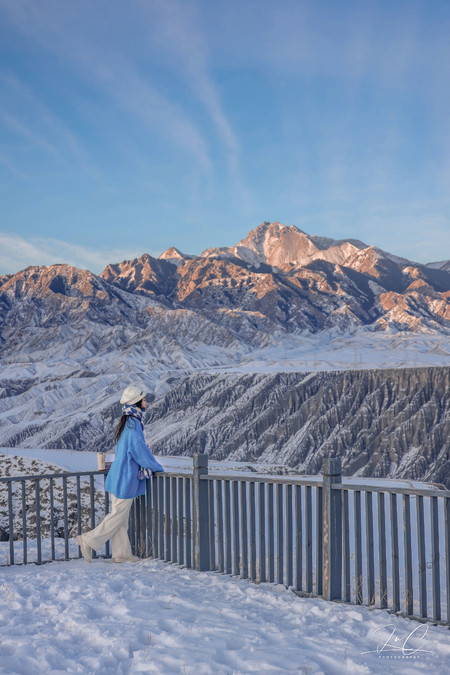
Dushanzi Grand Canyon obviously doesn't have the same high popularity as Kanas and Sai Lake. Few people travel a long distance just to visit it. But once you see it, it's definitely worth it. Although the river freezes over in winter and the land is covered with snow, it still retains its magnificent气势. We stayed in Kuitun last night and set off to watch the sunrise before dawn. On a sunny day, we were able to witness the entire process of the canyon being gradually illuminated by the sunlight.
After entering the gate, the viewing platform is located above the canyon. There is some obstruction in the view. You can walk along the walkway to the lower level, or even take the glass walkway to get a close-up view of the canyon's excitement. Here you can also fly a drone. Following the drone's perspective, traveling through the canyon is also very thrilling.
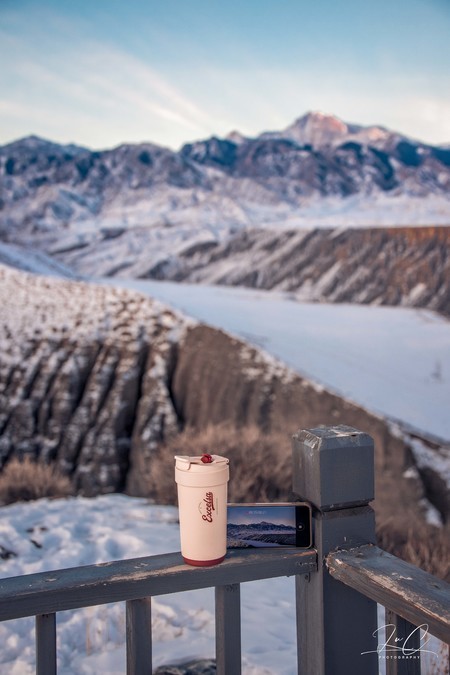
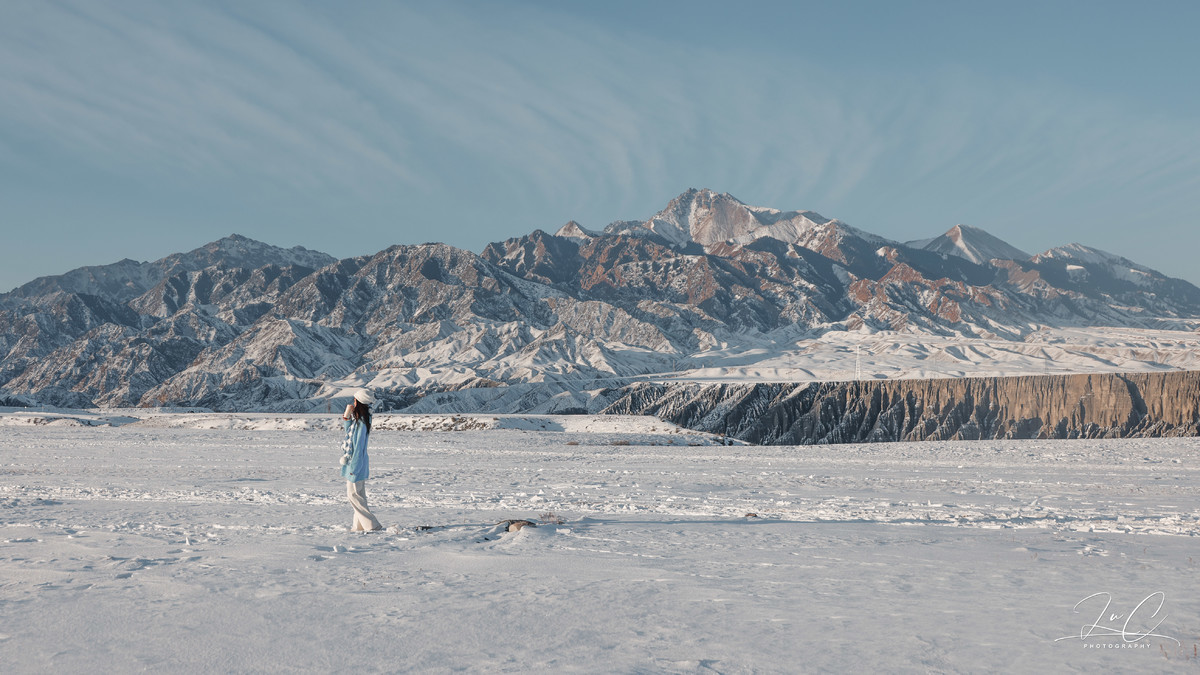
After leaving Dushanzi, we continued our journey westward towards the Sayram Lake.
Sayram Lake: The Last Tear of the Atlantic Ocean
The Sayram Lake is located in the Bortala Mongolian Autonomous Prefecture. It is the highest-altitude and largest mountain lake in Xinjiang. Moreover, it is the final destination of the warm and humid air currents from the Atlantic Ocean. Therefore, it is called "The Last Tear of the Atlantic Ocean".
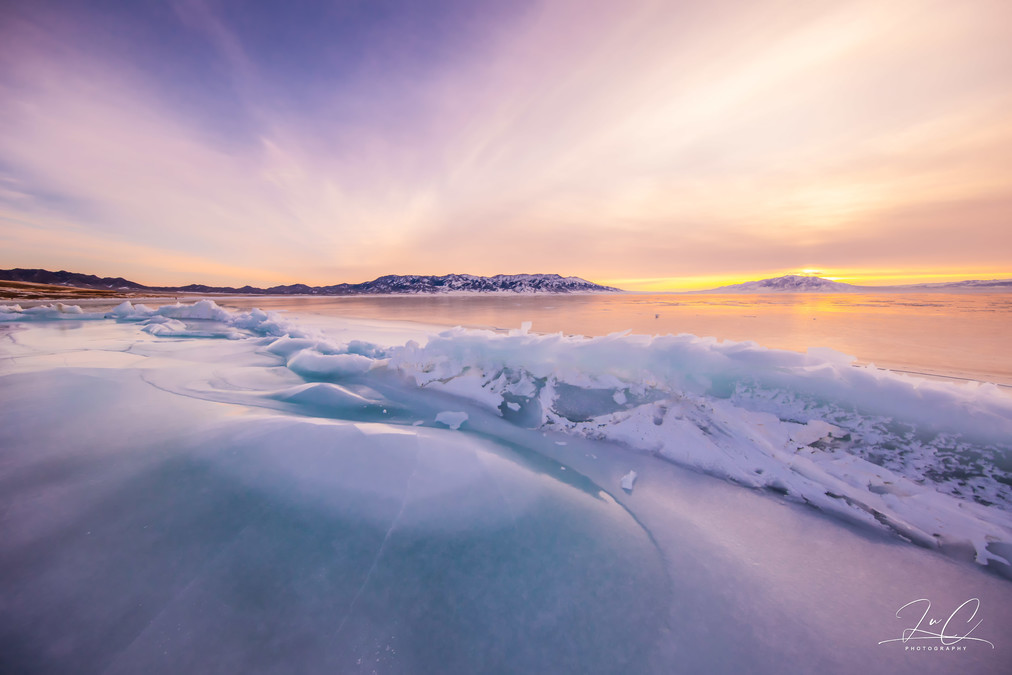
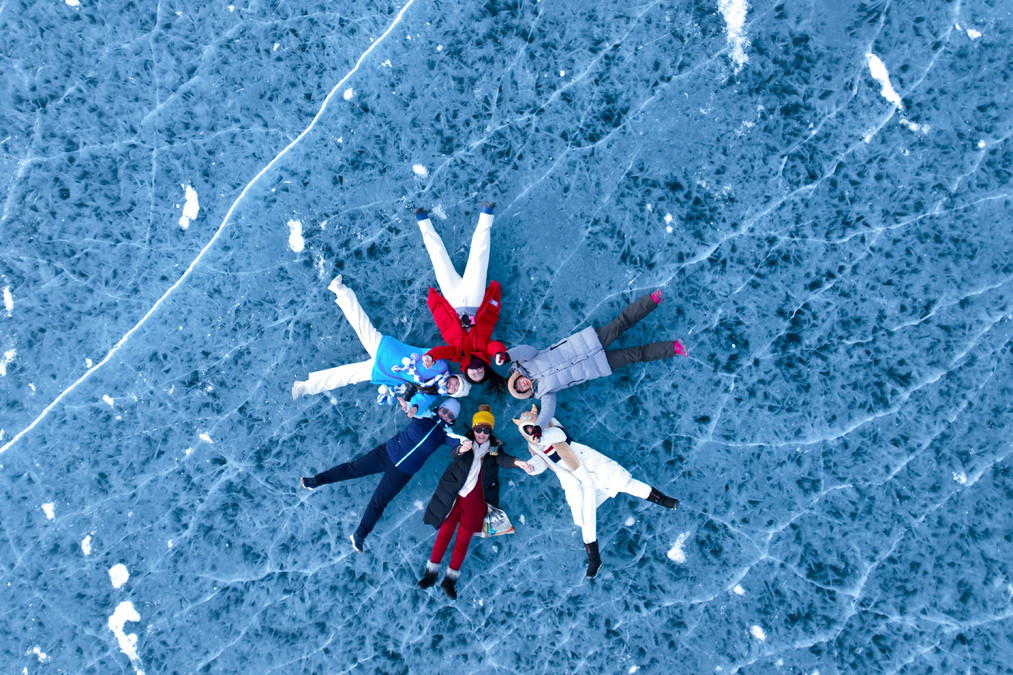
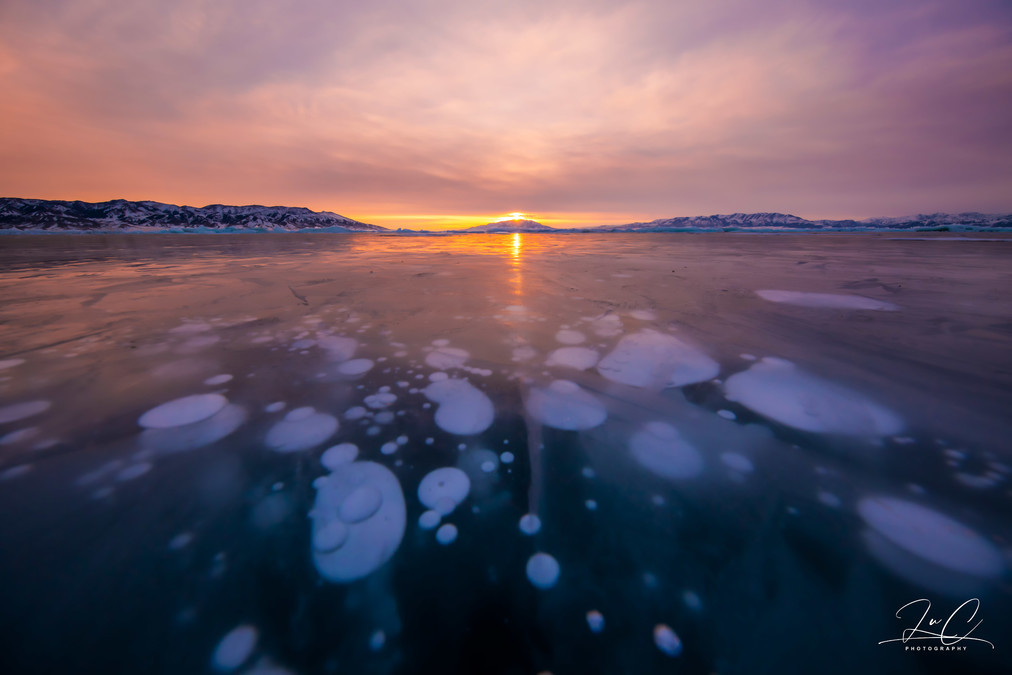
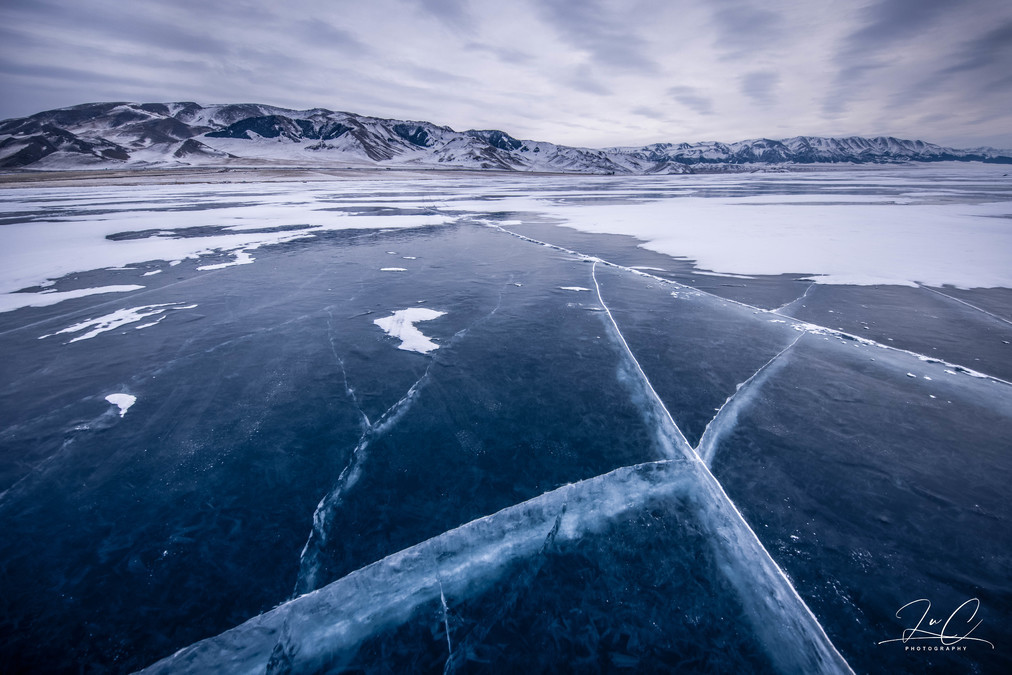
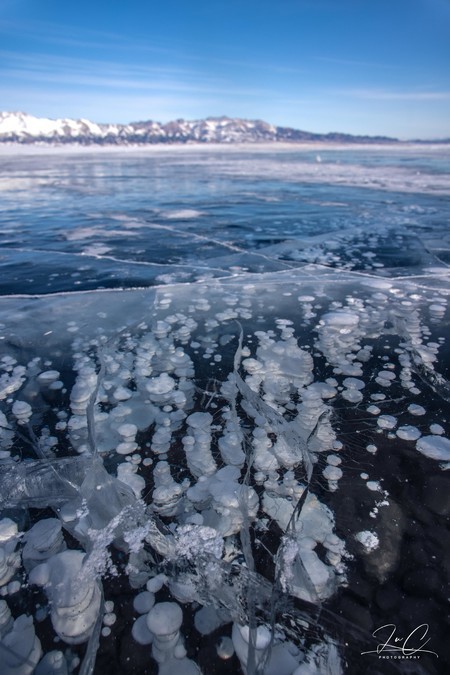
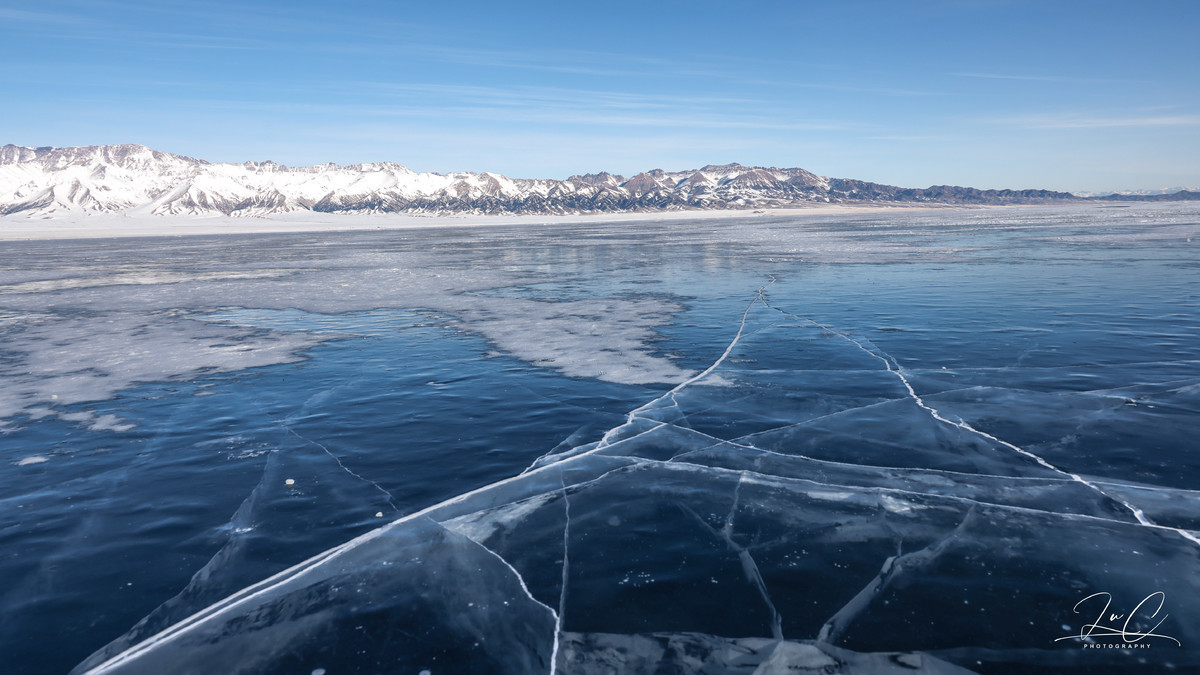
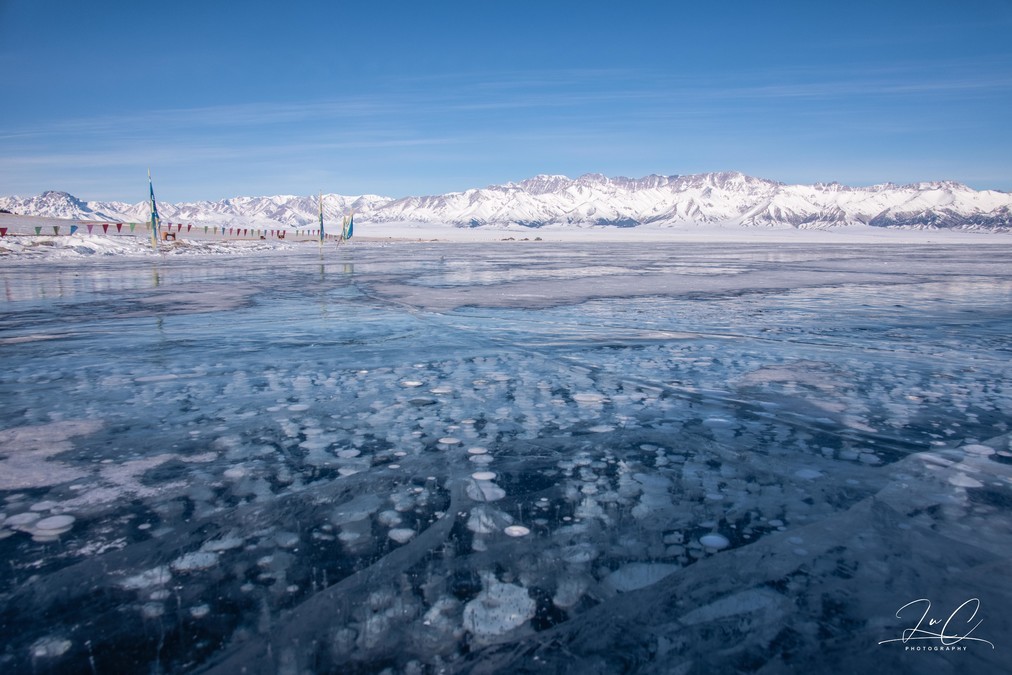
Sai Lake is one of the most transparent lakes in the country. The water of the lake takes on a unique blue color due to the presence of minerals, resembling a pure and beautiful gem. Every year, it attracts countless tourists. Sai Lake in summer is the most colorful season, with the lake water's blue color being even more intense than that of the sky. In winter, Sai Lake is covered with snow, presenting a different sense of purity. The lake surface not covered by snow (with staff clearing the snow in some areas) is a large expanse of blue ice. People can walk on it and see the beautiful cracks and bubbles beneath the ice. If lucky, one might even encounter swans.
If possible, I actually would most like to come during the time when the ice melts in spring. After the temperature rises in March or April, the lake surface that has been frozen for several months gradually melts. The huge ice sheet rushes towards the shore under the influence of the lake water, creating a magnificent scene of "ice push".
Note:
1. There are 1-day and 2-day tickets available. Accommodation is provided at the entrance and inside the scenic area. If you stay inside the scenic area, you need to purchase a 2-day ticket.
2. Drones can be flown at Sai Lake, but prior registration is required. Just scan the QR code at the scenic area entrance to register your information. It's very simple.
【Saihu East Gate】
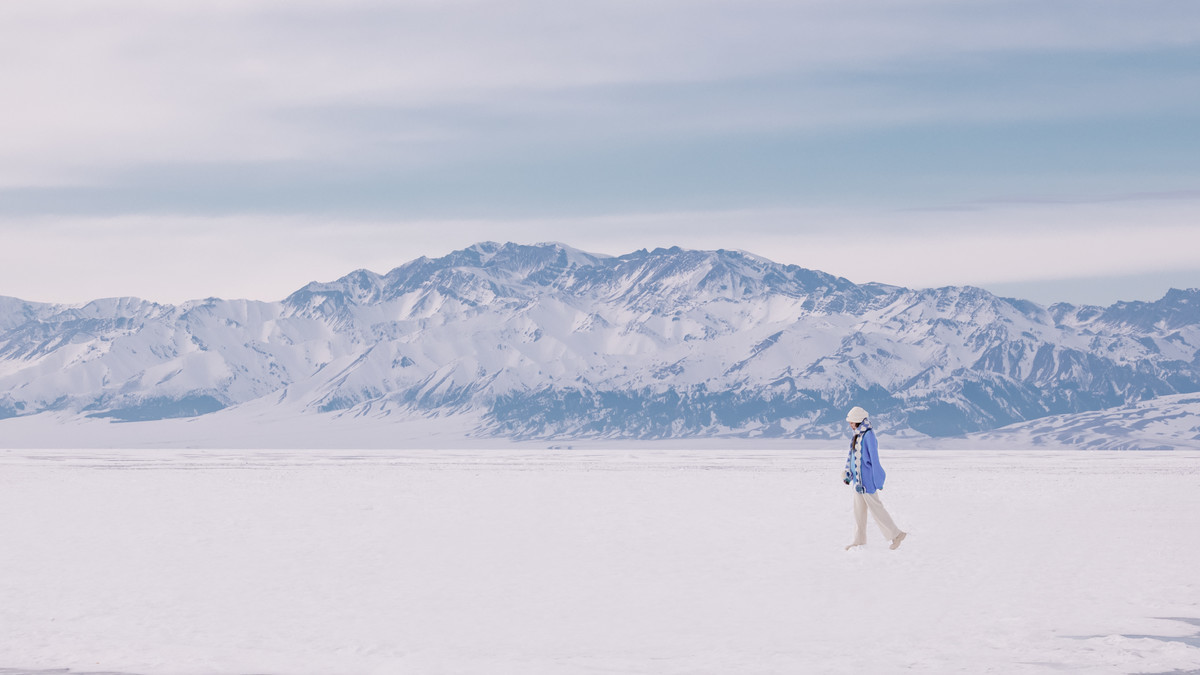
We set off from Dushanzi at around 11 o'clock and arrived at the east gate of Saiwu Lake at 4 p.m. After entering the east gate, there is a small square with some ice sculptures and ice-based entertainment activities, such as slides and ice motorcycles. A small part of the snow surface has been cleared, but it is still in small patches and there are no ice bubbles. The original plan was to watch the sunset on the same day, but in the morning, the weather was clearly sunny, but when we arrived at Saihu, the clouds were increasing and getting thicker, completely blocking the sun and preventing us from seeing the sunset.

Seeing that the sunset was impossible, we didn't wait until it was completely dark before leaving the scenic area and staying at the Saihu Impression Apartment in Dongmen.
【Sunrise at General's Hill】
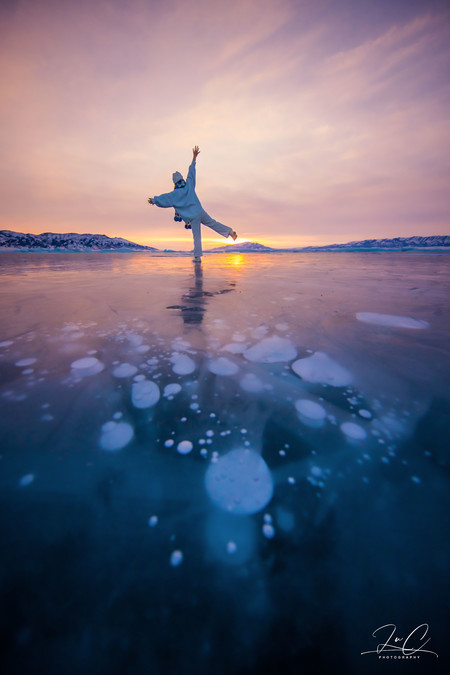
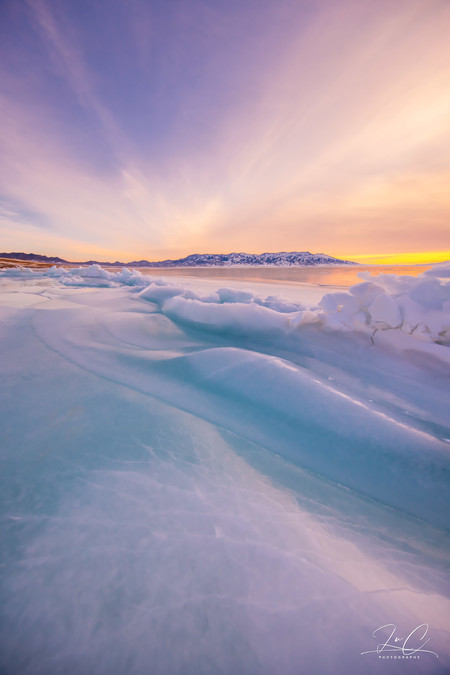
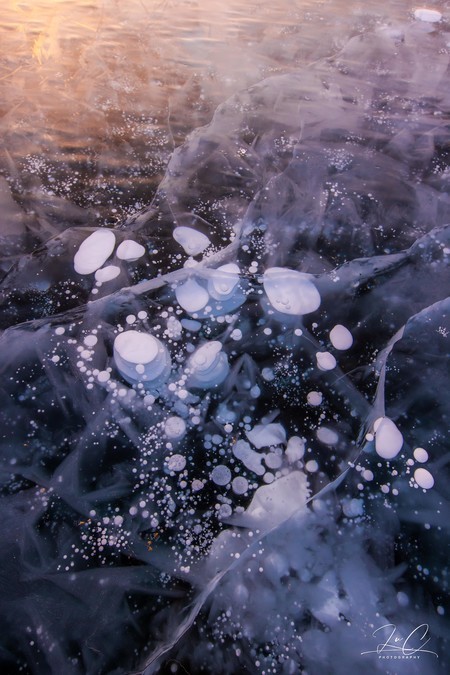
The next morning, even though it was still dark, we set off. Today's route was to enter through the east gate, circle the lake counterclockwise for sightseeing, and then exit through the south gate to reach Yining. The direction of the east gate was not suitable for watching the sunrise. So we drove to the position of General's Hill on the west side of the lake to watch the sunrise. Here, there was also a patch of blue ice that had not been covered by snow, and there were many ice bubbles, but they were not very clear.
Although it was still cloudy this morning, the sun managed to squeeze through the gaps in the clouds and shed a tiny bit of light. That was enough!! Long live the Sun Grandpa!


【Klerong Zhuo】
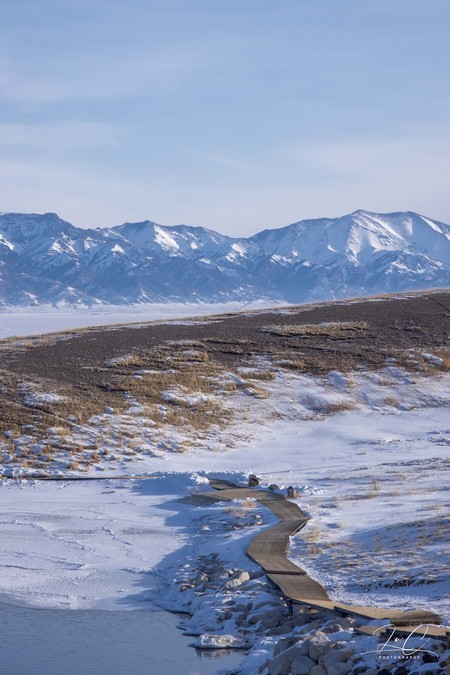
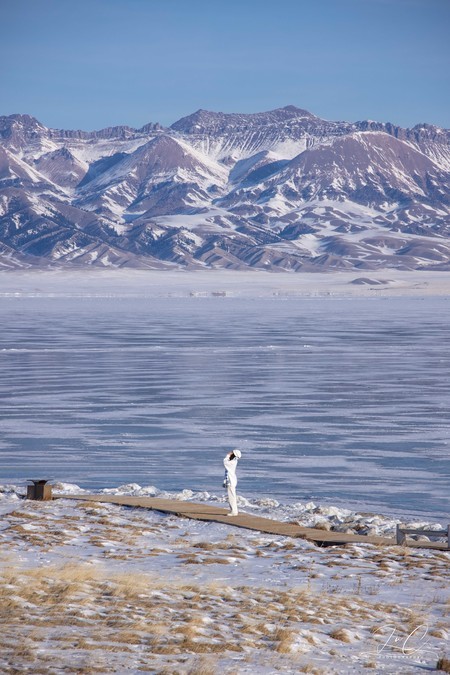
After circling around the lake for about half a circle and reaching the west side of the lake, the weather had cleared up. Here in Klerong Zhuo, there is a non-freezing pond where many waterfowl are active. Occasionally, one might encounter swans (but we didn't).
We stopped the car and walked along the wooden walkway to the lake. The biggest surprise we found was that there was a particularly clear and beautiful ice bubble here, much more beautiful than the one we saw in the morning. The ice bubbles were very dense, and under the sunlight, they faintly emitted rainbow-colored spots. It was simply breathtaking! Although there are also beautiful ice bubbles in the winter lakes in the suburbs of Beijing, there are no snow mountains in the distance! So we were very happy to take many photos here.
【There is a kind of blue in the world called the Siliwu Lake Blue.】
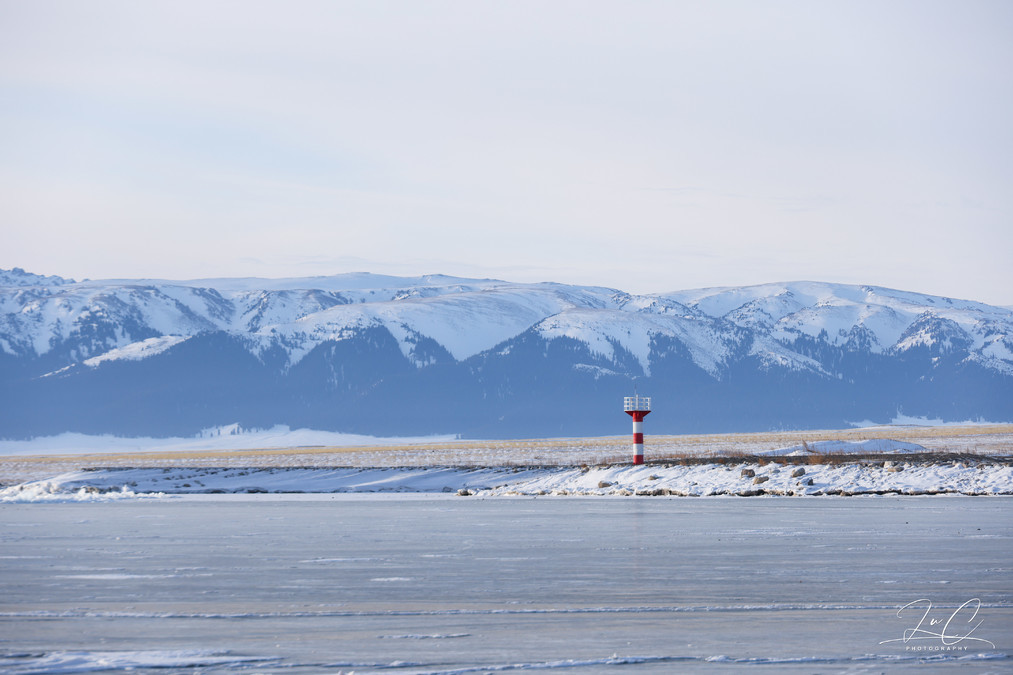
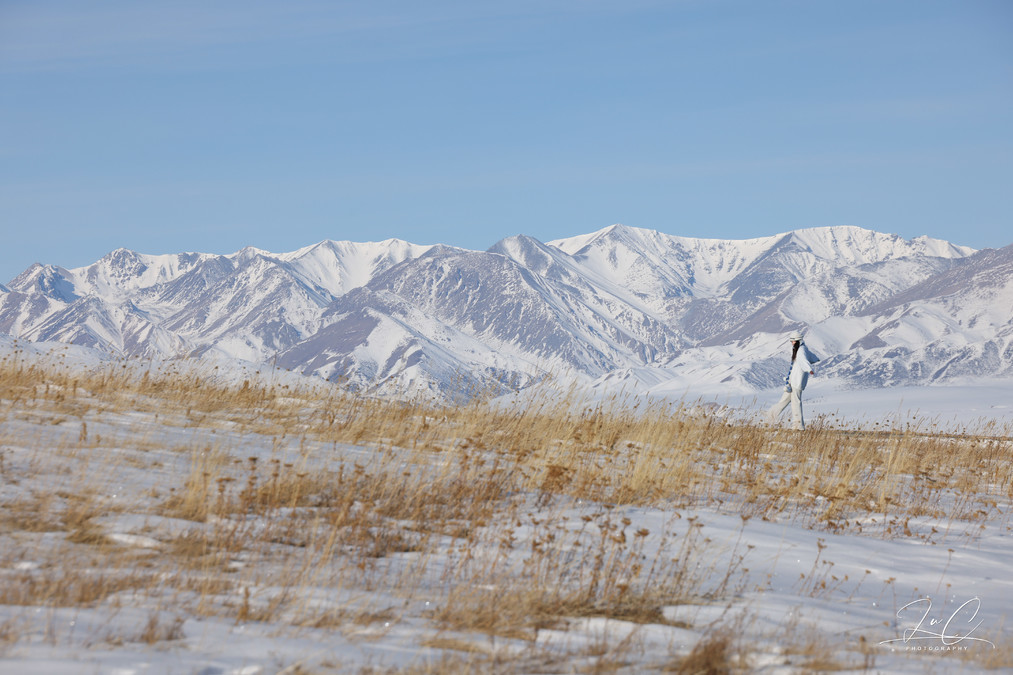
Near the South Gate, there is a photo-taking spot where many people get off the vehicle to take pictures. There is a stone monument with the words "There is a kind of blue in the world called the Siliwu Lake Blue" engraved on it. The famous "S" curve road of Siliwu Lake is right next to the stone monument. However, in winter, the blue lake water along the road cannot be captured, as the lake surface is completely covered with snow. Without knowing it, one might think it's a grassland instead of a lake. But! It's still very beautiful! You must visit it!
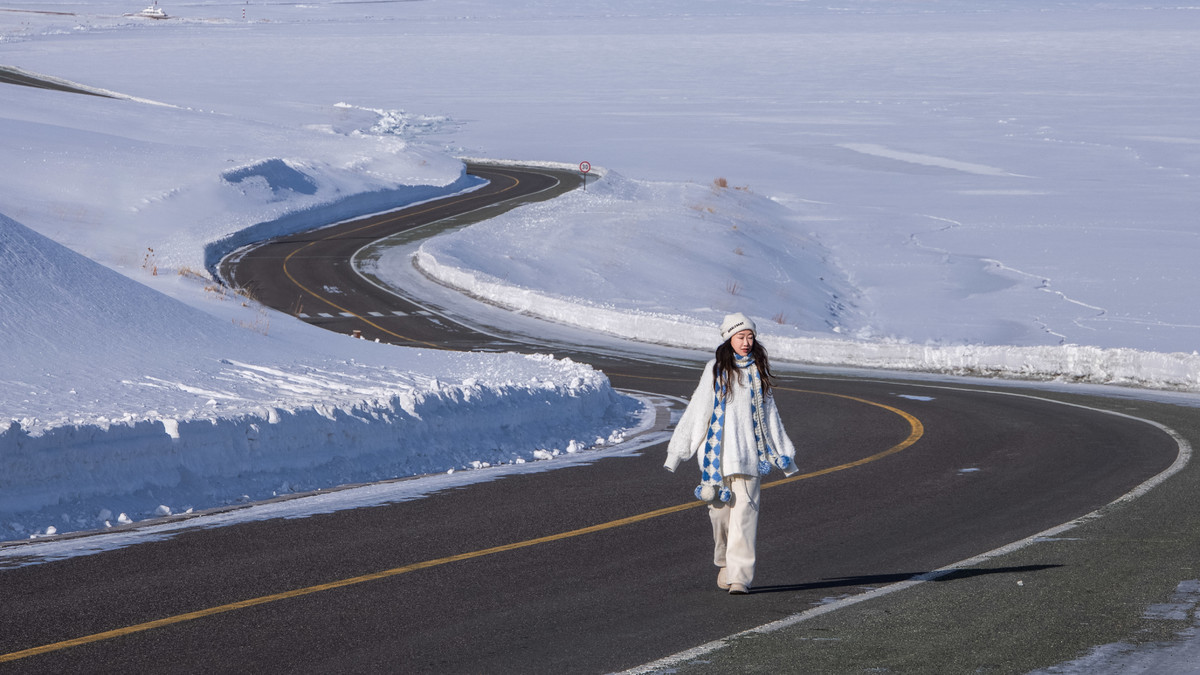
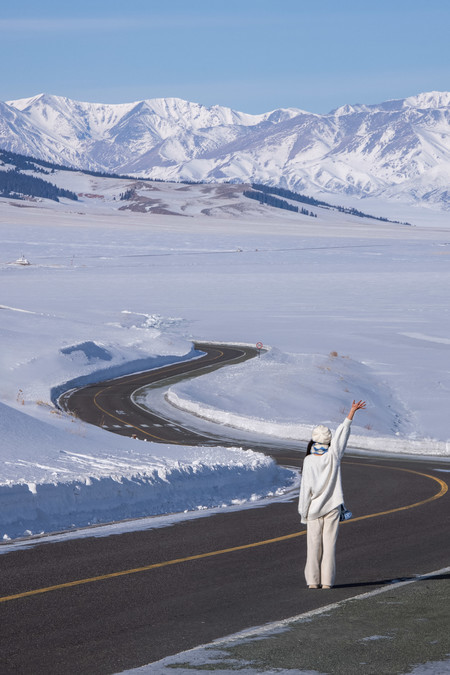
Head south out of the city and head towards Yining. The mountains on both sides look like an Oreo cookie whirlwind...

Yining: There is a type of blue called Kazeqi Blue.
Yining City is the capital of the Yili Autonomous Prefecture. The city is bustling and lively, with a rich cultural atmosphere, and it is home to 37 ethnic groups. In spring, one can visit Tugeng to see the apricot blossoms; in summer, one can go to Sai Lake to enjoy the scenery; in winter, one can go to Swan Spring to take pictures of swans. Generally, people fly to Yining to start their trips.
The most famous scenic spots in Yining city are Kazezi Folk Culture Area and Liuxing Street. Both areas have their own unique features. Kazezi is mainly in blue color and has a stronger humanistic and lifestyle atmosphere; Liuxing Street has a rich variety of colors and a more intense commercial atmosphere. Personally, I prefer Kazezi a little more.

【Kazanqi】
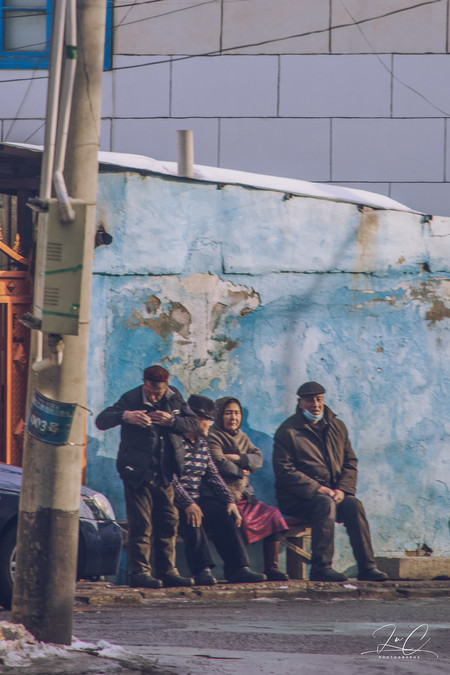
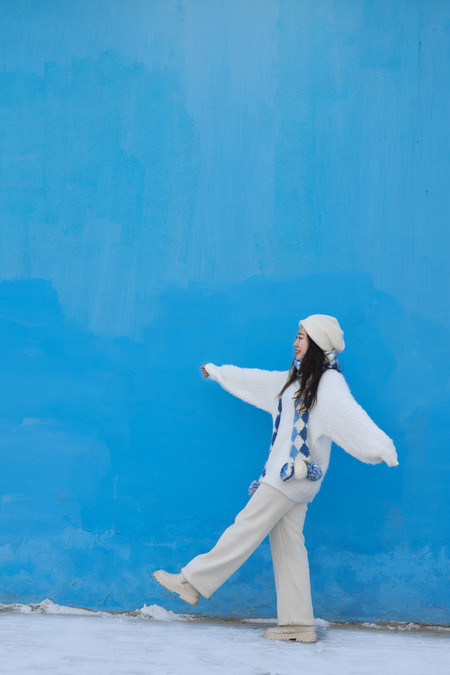
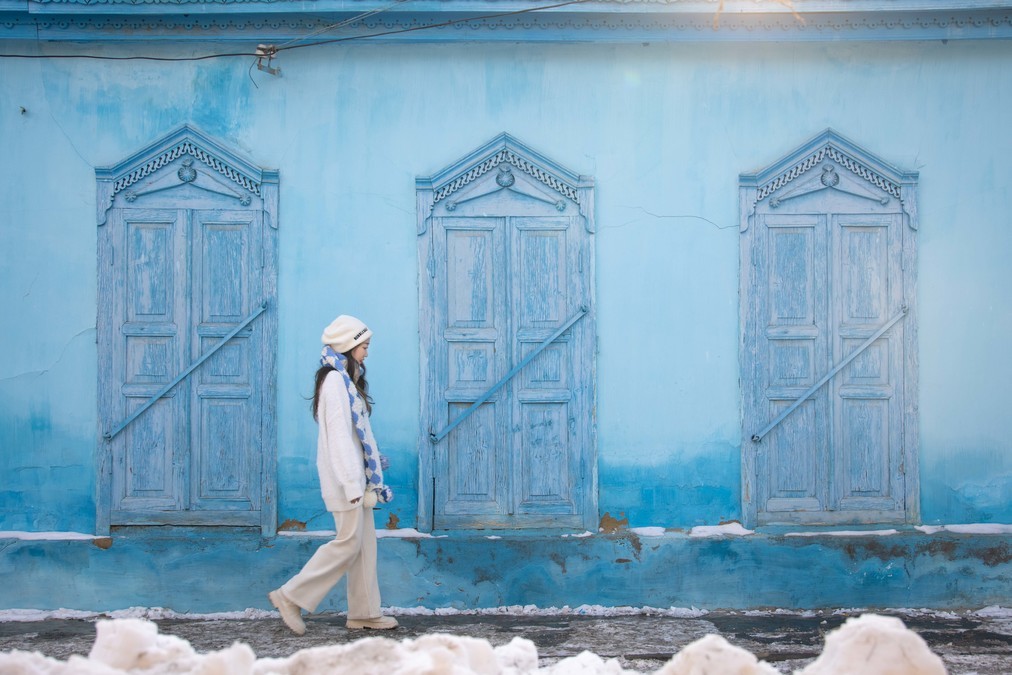
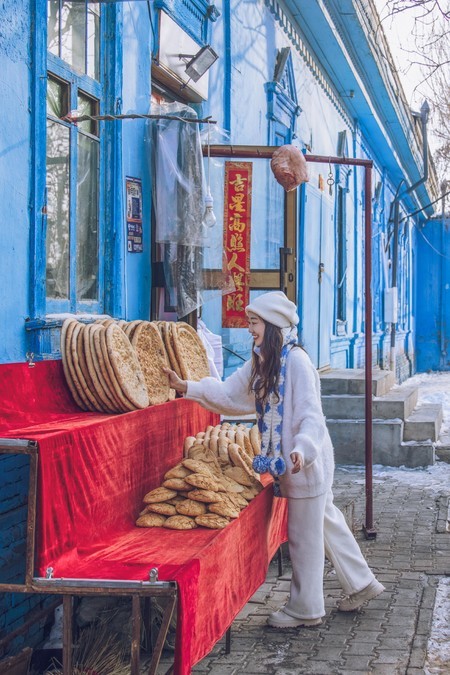
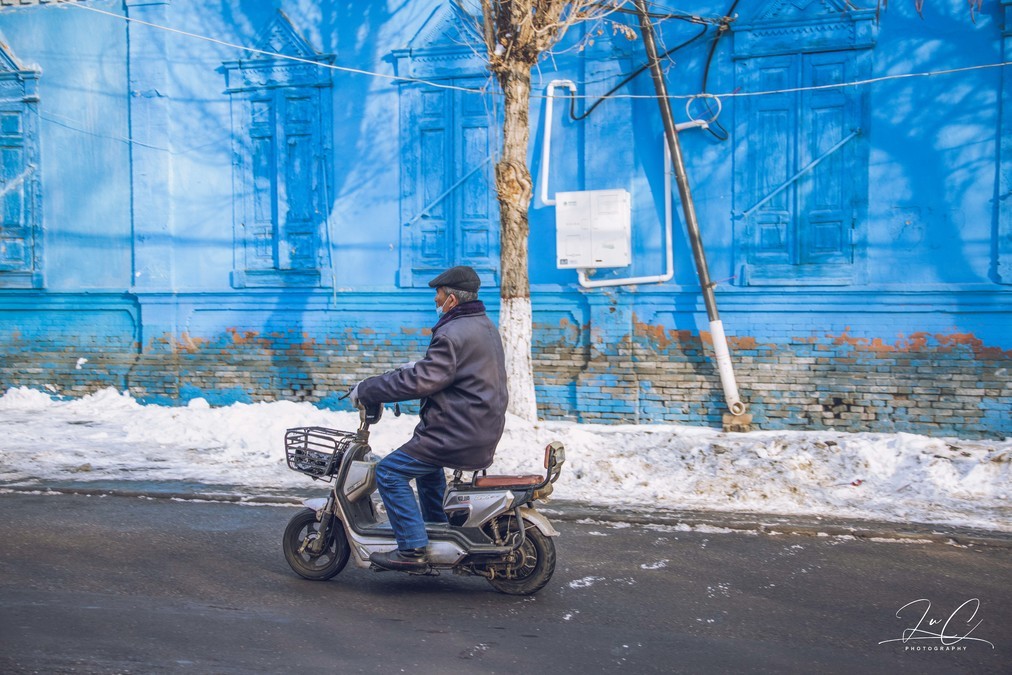
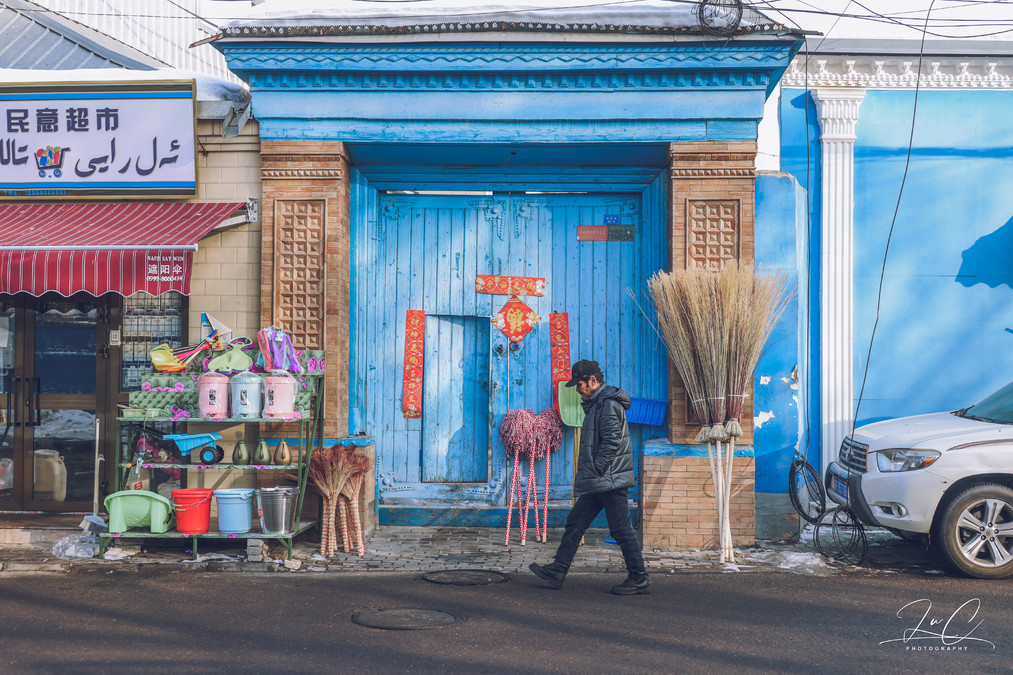
There is a blue color called Sayrim Lake Blue, and there is another blue called Kazanqi Blue. "Kazanqi" in Uyghur language means "people who make cooking pots". Historically, this place was home to many folk artisans who made and sold iron pots and copper pots. Kazanqi is not just one street but several streets combined into a century-old old district. It still retains its original houses and local customs to this day. The residents like to decorate the exterior walls or windows with blue colors, making this district unique and romantic. The streets and alleys here are winding and meandering. It's the most interesting to wander aimlessly through them and accidentally discover little surprises.
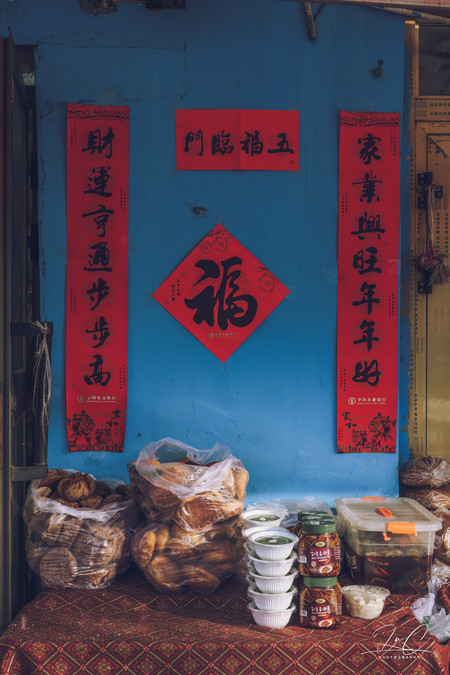
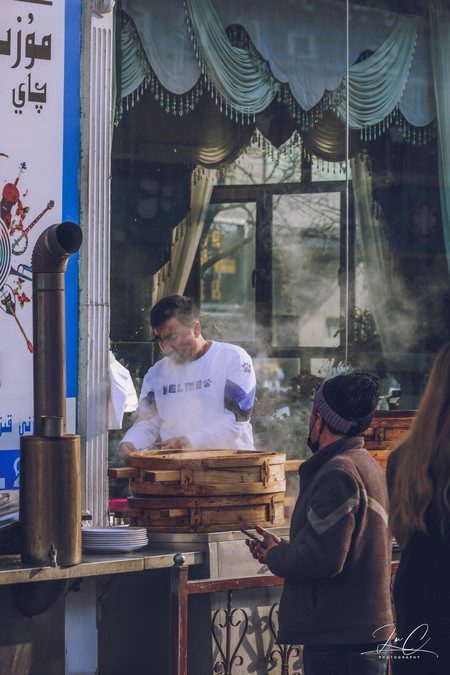
Kazanqi is a great place for capturing human scenes. There are local people buying meat and vegetables on the street, neighbors gathering together to chat in the alleys, children running and playing happily in front of the gate, elderly people slowly cycling through the streets... And there are the baked naans placed in front of the store, several times larger than my face, the mutton hanging from the eaves, and the Han-Uyghur bilingual couplets pasted in front of the blue gate... At a glance, it is filled with the aroma of daily life, so vivid and lively. I like this place.
【Six-Star Street】
Six-Star Street is another ancient district in Yining City. It was built in the mid-1930s and was designed by German engineer Walsi based on the six major policy concepts implemented by the Xinjiang Provincial Government at that time. The street layout is circular, with six main roads radiating out from the center, dividing the area into six sector-shaped zones. The center features public buildings such as schools, shops, and mosques, while the periphery is residential areas. It is a very distinctive district.
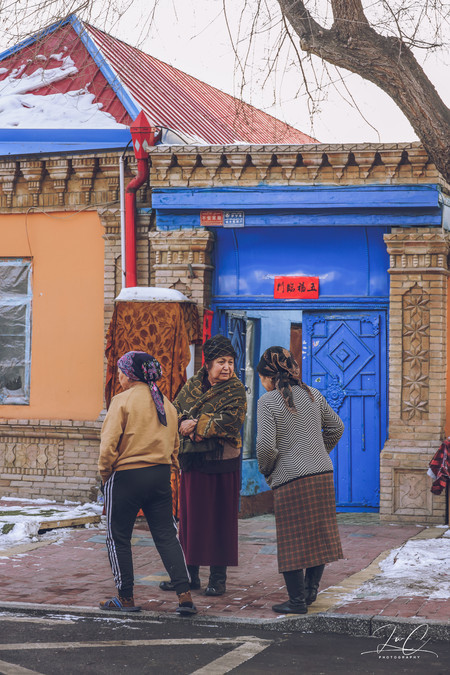
The buildings in Liuxing Street have diverse architectural styles. There are small gabled houses with European-style pointed roofs, semi-arched window frames with a strong Islamic flavor, Russian iron-topped wooden porchways, as well as Uyghur-style wood carvings, stone carvings, and various ironwork porchways. The colors are also rich and varied, with blooming apricot blossoms adding a touch of spring charm. The ethnic characteristics are very distinct, making it ideal for taking portraits.
The commercial atmosphere here is very strong. There are many restaurants, cafes, tea shops, specialty stores, as well as mosques and folk museums. The century-old ice cream shop Gulandam is also located here. There are various small stalls on the street, and there is a night market with food stalls and live performances at night, which is very lively.

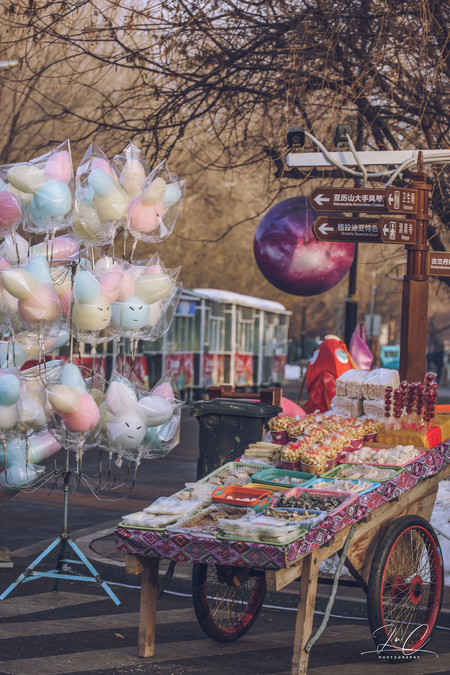
Gulananda is a well-known century-old handmade ice cream shop in Yili, located in the southern part of Liuxing Street. There are many handmade ice cream shops in Yining, and this one is the most famous and popular among the internet celebrities. The shop has a small courtyard with a very ethnic-style decoration. Many young people like to come here to take photos and make their own visits. The ice cream comes in various flavors, and there is a long row of small ingredient areas in the shop where you can add nuts, jams, and other toppings yourself. The indoor heating is sufficient, and the temperature in Yining is not low either. You can still enjoy an ice cream in winter~
The two big snow rabbits right outside the store were a bit frightening. When I first entered the courtyard, I almost got scared and backed out.
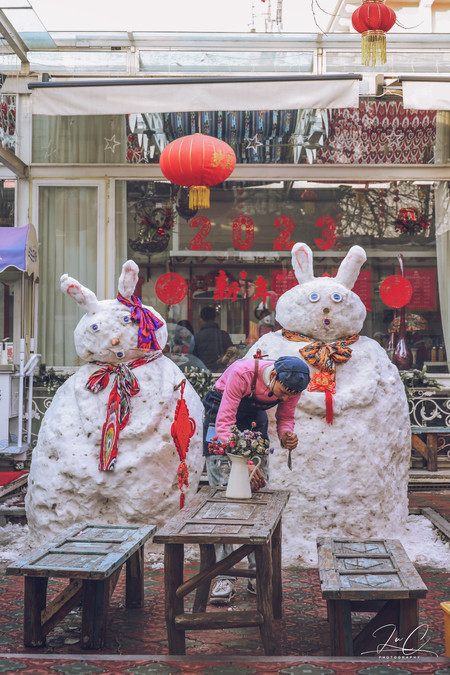
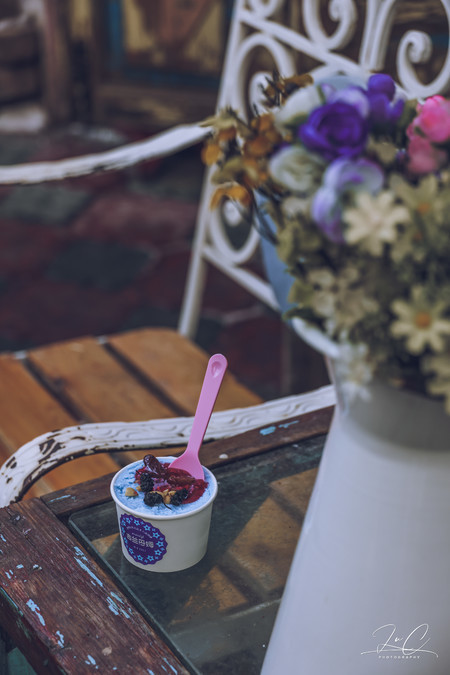
After having the usual barbecue at night, we also went to the night market to have some snacks. Everyone bought fairy sticks and played together~ The last night in the northern region, so happy!

Swan Spring: The Swan Dance Amidst the Dreamy Frost Flowers
The Yining Swan Spring Wetland Park is located in Xiaheleke Village, Yingtamu Township, Yining. This is a village mainly inhabited by the Kazakh people. The area of the Swan Spring is not large, and it is situated between the fishponds and the houses. The lake water does not freeze in winter, and swans can be seen here from early October each year until the following April.
In 1993, local villager Old Han noticed a pair of swans and three baby swans mingling with his farmyard geese. He decided to feed them together. Later, these swans returned every year and brought more and more swans. Now, the number has grown from the initial few to over three hundred. There are dedicated personnel for management and feeding. The local government has also been strongly supporting ecological protection, creating a favorable habitat for the swans.
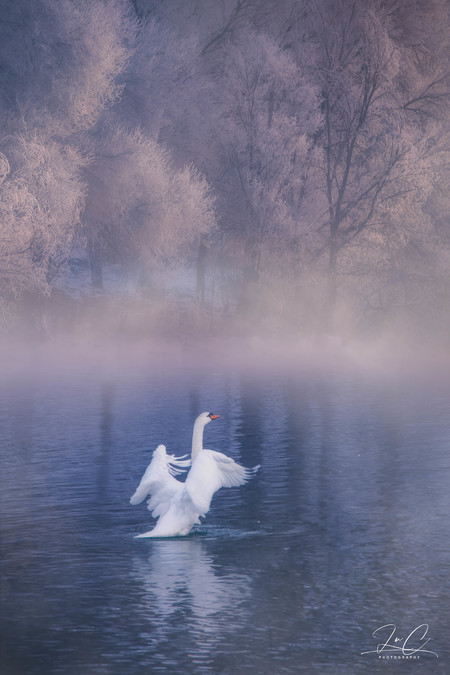
This is a rare place where you can see the ice flowers and swans together. The extremely dreamy scene attracts many tourists and photography enthusiasts from all over the world to come and admire it every winter. The admission fee for the scenic area is 20 yuan. There is a dining hall at the entrance, and the price is not expensive. The Swan Spring is not far from the city center of Yining. It takes about an hour by car. There are daily tours departing from Yining almost every day, and independent travel is also very convenient.
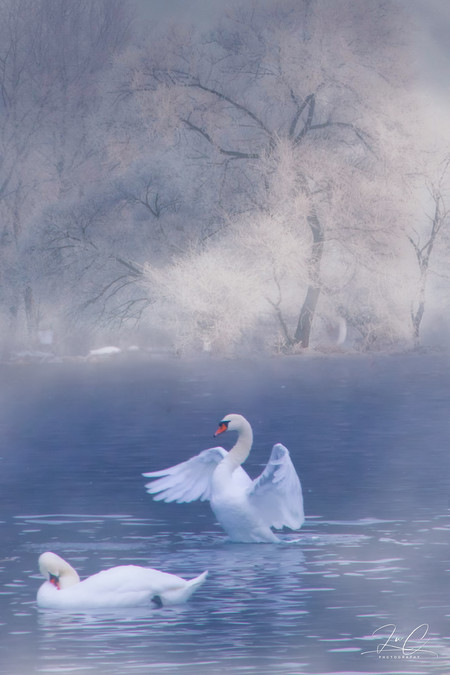
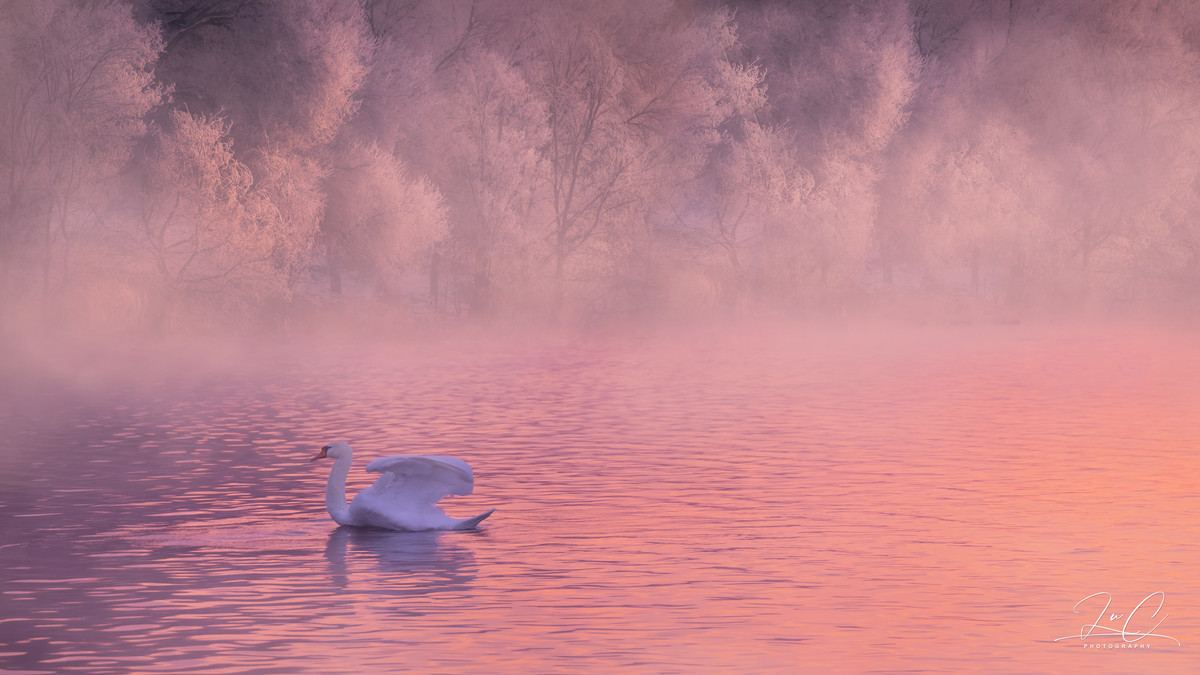
On the day we arrived, we were very fortunate to witness the morning glow! The entire sky and the lake surface were dyed pink, creating a particularly dreamlike scene! When we arrived in the morning, the sky was still dark and the swans were all huddled with their necks tucked in, sleeping. As the sky gradually brightened, the swans gradually woke up and began to swim slowly in the lake or groom their feathers. There was an old hermit who taught me this: when observing that a swan is taking a bath, it's time to prepare because they usually flap their wings after bathing (sort of like dogs shaking off water), and taking a few photos in advance can capture the scene of the swan spreading its wings!

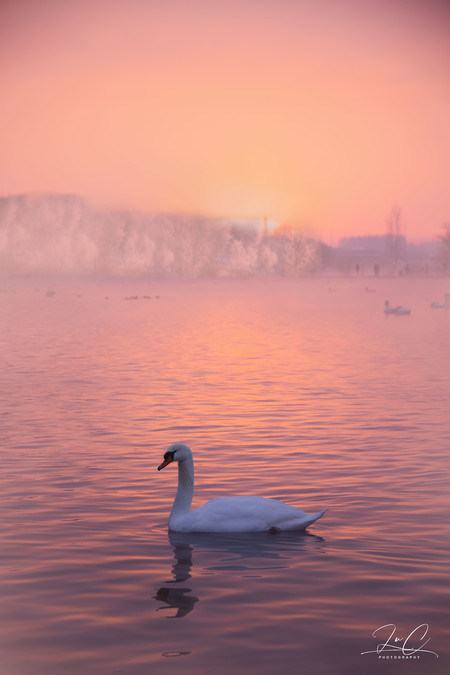
Frost flowers do not occur every day. First, the temperature must be low enough, generally below -15°C. Secondly, there must be a large temperature difference between day and night, and there must be no wind. Therefore, the best time to see them is from December to January. By the end of January, Ilnin has already started to warm up, and if the temperature is not low enough, it is difficult to form frost flowers. Many photography enthusiasts stay here for ten days or half a month. Those living nearby come to this place every day and take photos for a whole day because the light and the condition of the frost flowers change every day.
As for the focal length, 70-200mm is just about adequate. Here, the swans are not afraid of people and one can get very close to them. However, to capture the scene of the swans under the foggy icicles from a distance, a longer focal length is definitely better. Also, the aperture of the lens should be large. Foggy icicles usually appear in the morning and sometimes the light is very poor, which requires a lot of testing of the lens and the camera's own sensitivity. My lens had a small aperture and the tripod broke on the way, so I had to shoot handheld and ended up getting all blurry... Just enjoy the atmosphere, eh...
There are many swans here. Especially when they gather for feeding, it really looks like a rural goose farm. But actually, it's best to just capture a couple of swans during the shooting. The more, the more chaotic the scene becomes. The simple scene of a single swan dotting among the frost flowers is already very beautiful.
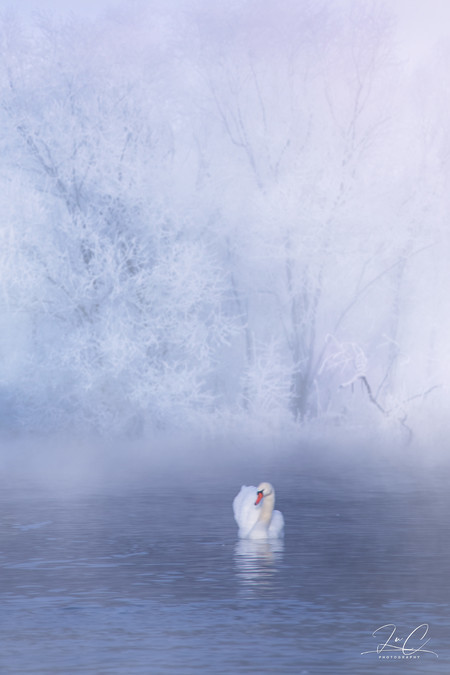
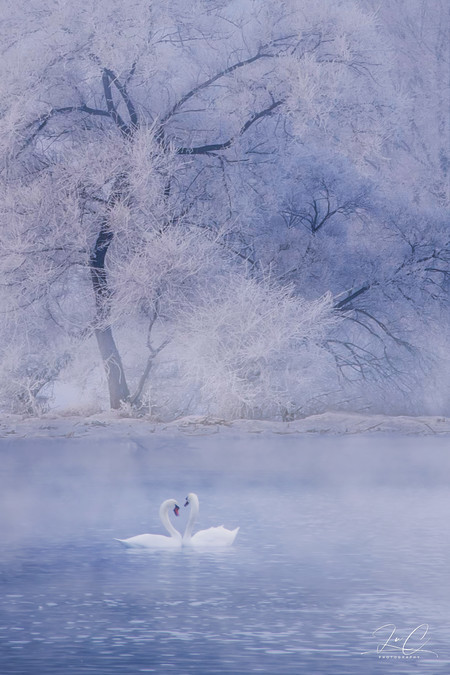
More than 300 swans gathered together, forming a large matchmaking venue. Occasionally, one could see the swans touching each other, with their beautiful necks touching together to form the shape of a heart. It was both dreamy and romantic. It is said that there would be more "romantic encounters" among the swans in the afternoon, while in the morning they were all grooming and dressing themselves.

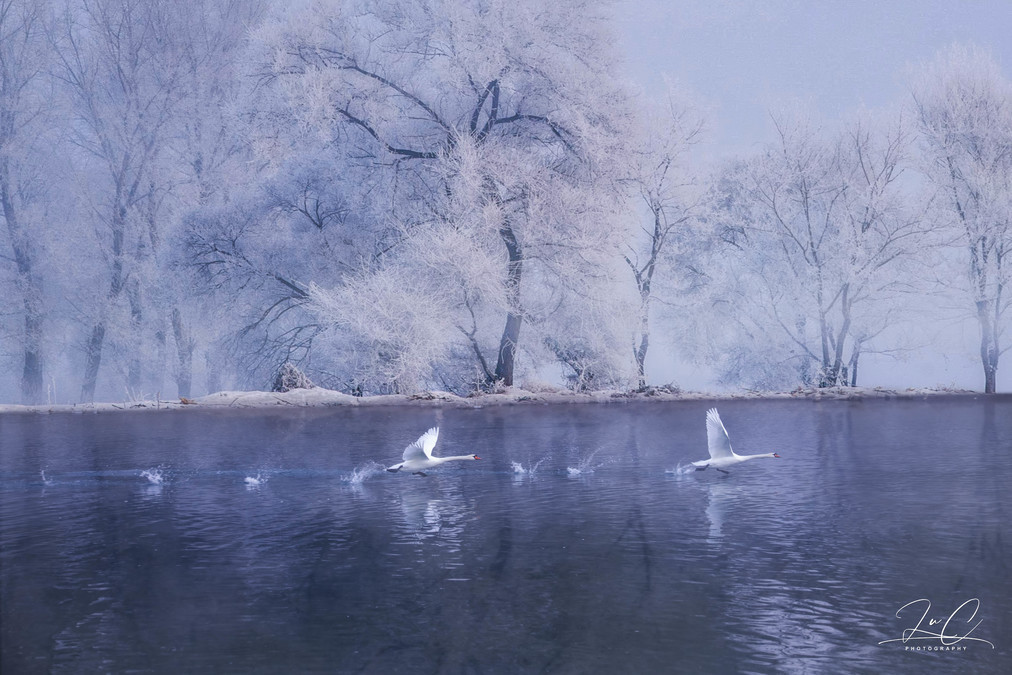
And another very interesting thing is the swimming action of the swans before taking off and during landing. While flapping their wings, their webbed feet are making a tapping sound on the water surface. Their necks are stretched out and they are rushing forward vigorously, just like a charging fighter jet - it's really quite interesting.
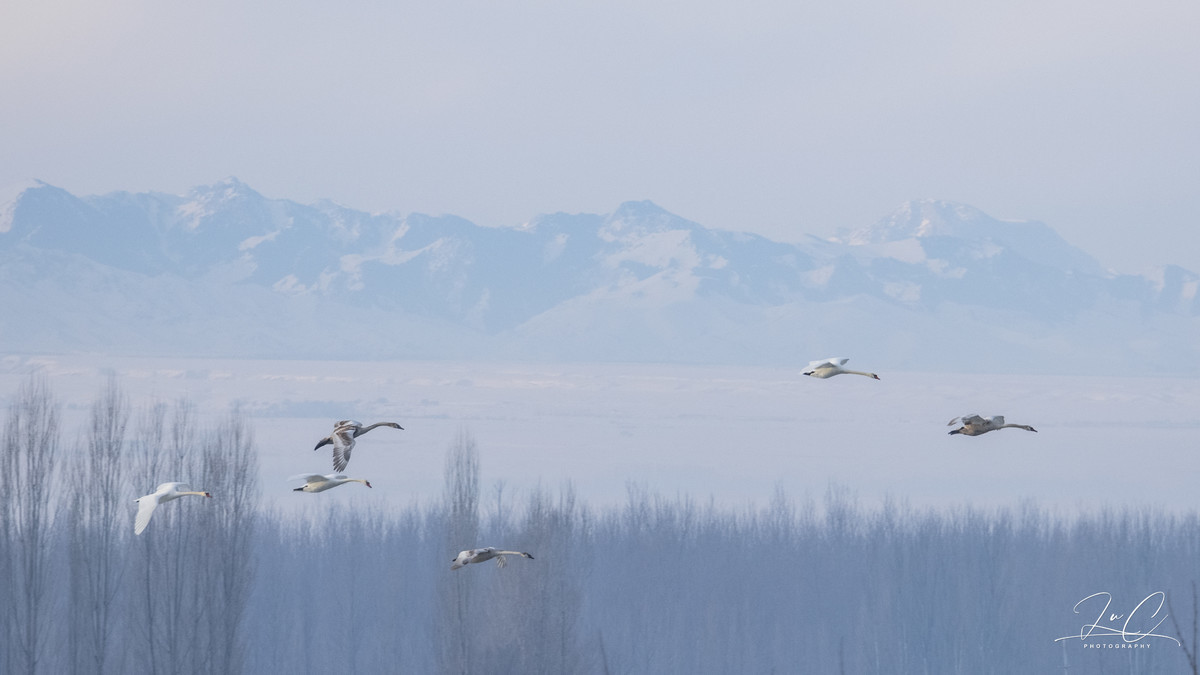
Here, however, I didn't see any baby swans. I wonder if it's because the season is not right. There are several swans with mixed white and gray feathers. I'm not sure if they are the "ugly ducklings" that haven't fully grown their feathers yet. Occasionally, swans would fly up into the sky and circle a few times. One can imagine that the silhouettes at sunset would be very picturesque. But this trip was too rushed, so we could only catch what we could. Maybe in the future, I'll bring my 400mm lens and stay for a few days to do some serious shooting!
At noon, we had a bowl of noodles at the Swan Spring Gate. The driver took everyone to the airport and railway station one by one, and then the group disbanded. Yining has a direct flight to Beijing, but it's too expensive. I chose to transfer in Urumqi and visited a popular restaurant near the airport - Loulan Secret Grilling. The decoration was particularly exotic, and the taste was not bad either. It's a restaurant that serves local Xinjiang cuisine. We had a meal of lamb and also packed 8 grilled buns back to Beijing. This trip ended on a perfect note~~