





Journey Through Southern Xinjiang: Meeting The Ultimate in the Wild and Hidden Wonders
The wind of southern Xinjiang brings stories with it. It sweeps across the snow-capped peaks of Pamir, carrying the heat of volcanic rocks, passes through the bends of the Panlong Ancient Road, and finally settles among the poplar forests of the Taklimakan Desert. This self-driving journey was originally intended to chase after the "Roof of the World" and the "Sea of Death" described in textbooks, but during the entire journey, it was struck by the extreme contrasts of this land, leaving it deeply impressed.
Pamir: The First Encounter of Ice and Fire
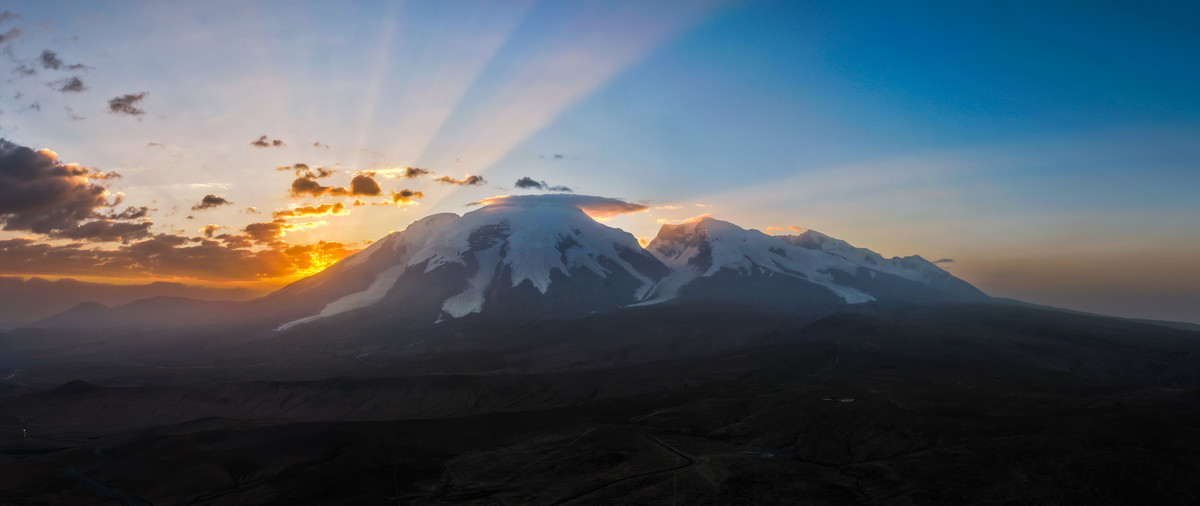
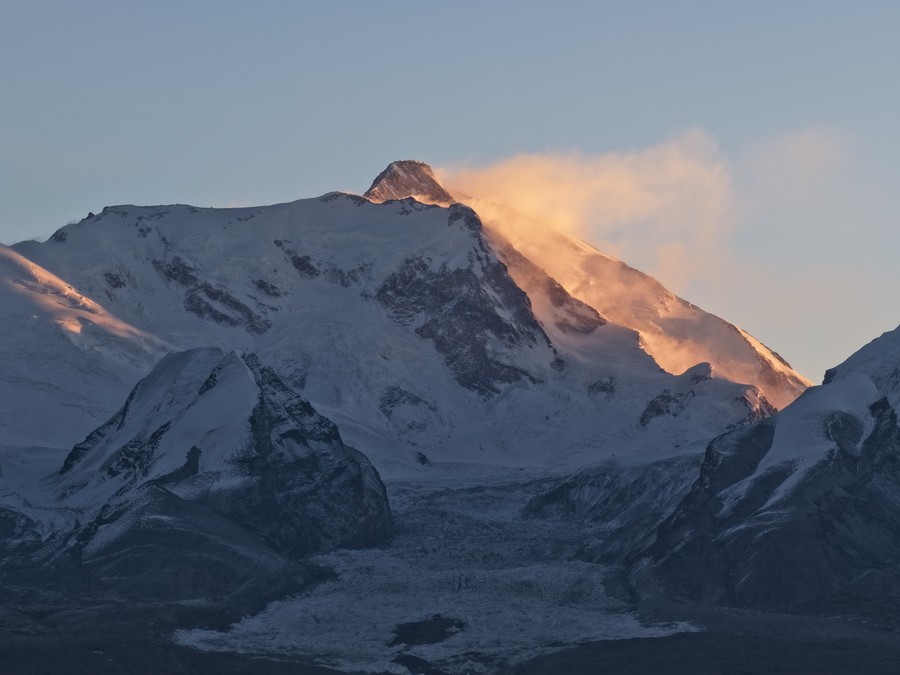
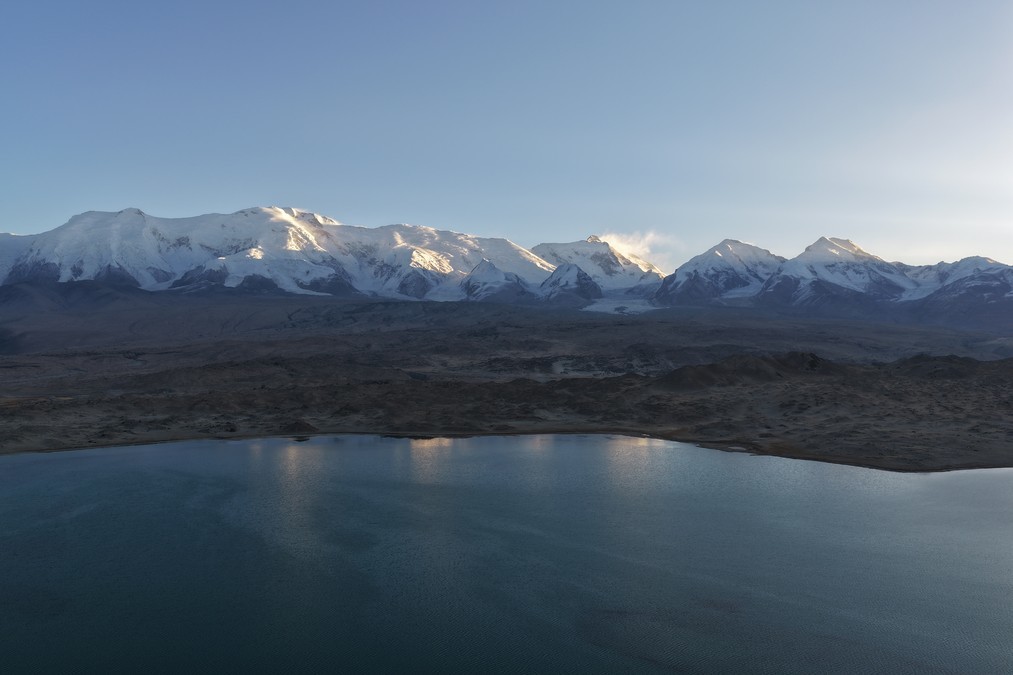
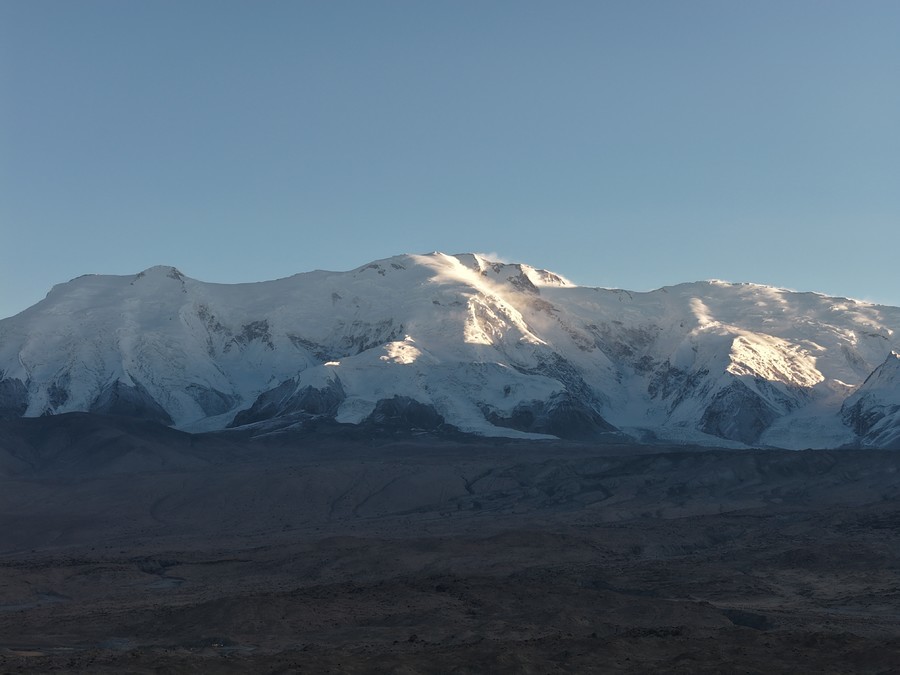
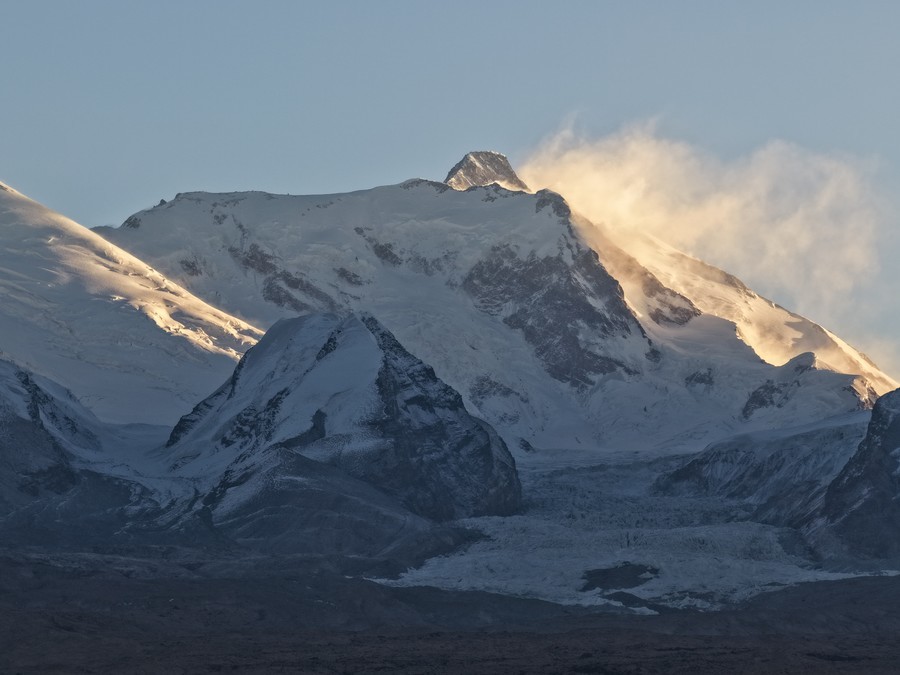
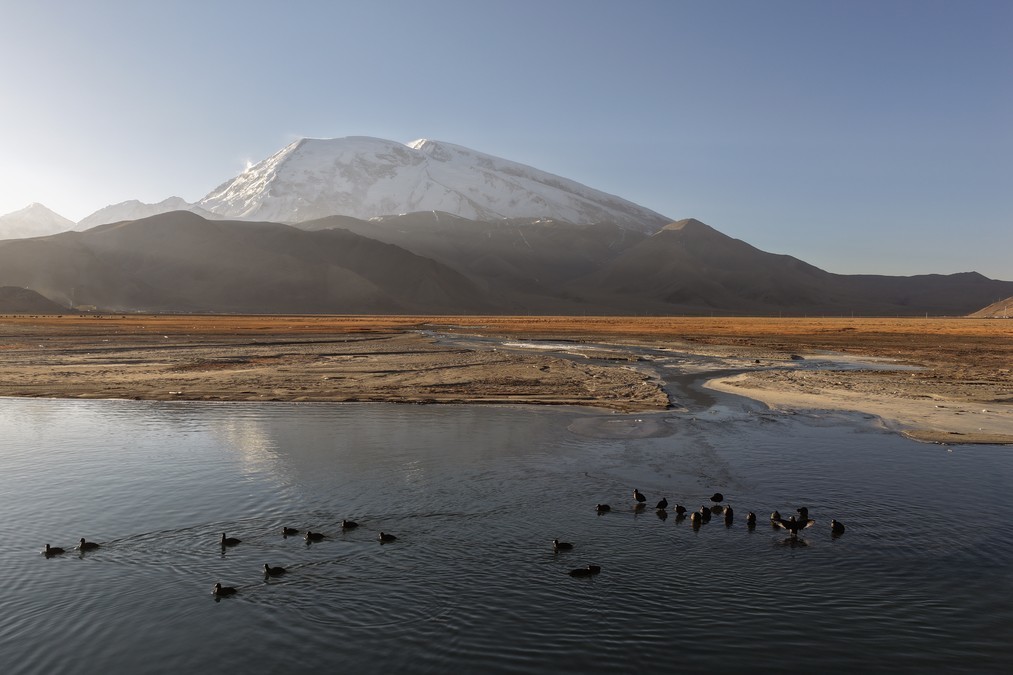
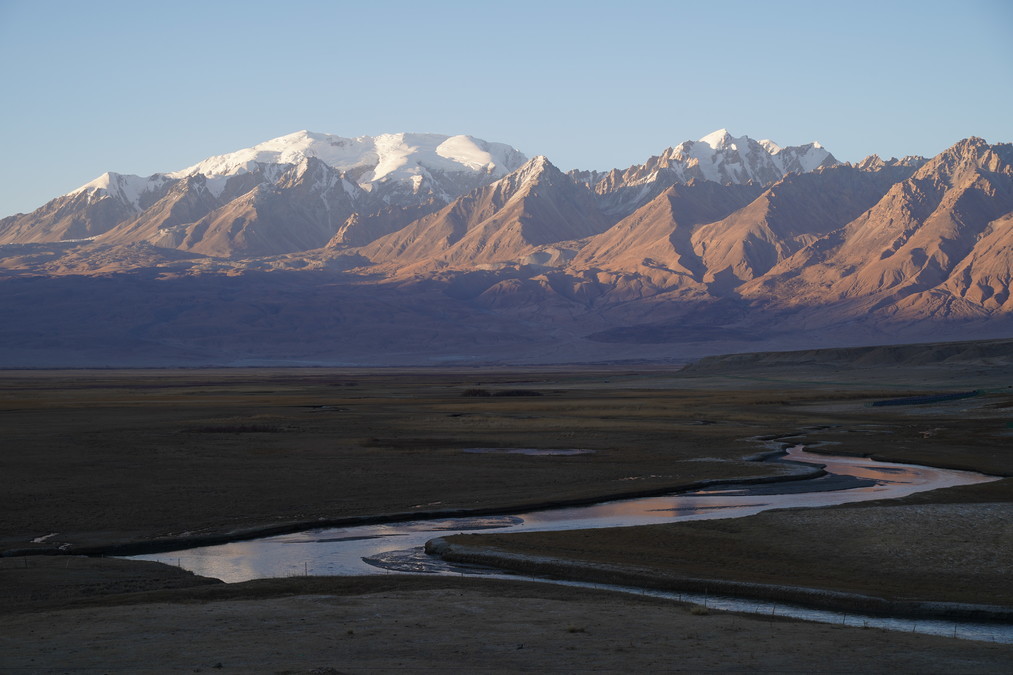
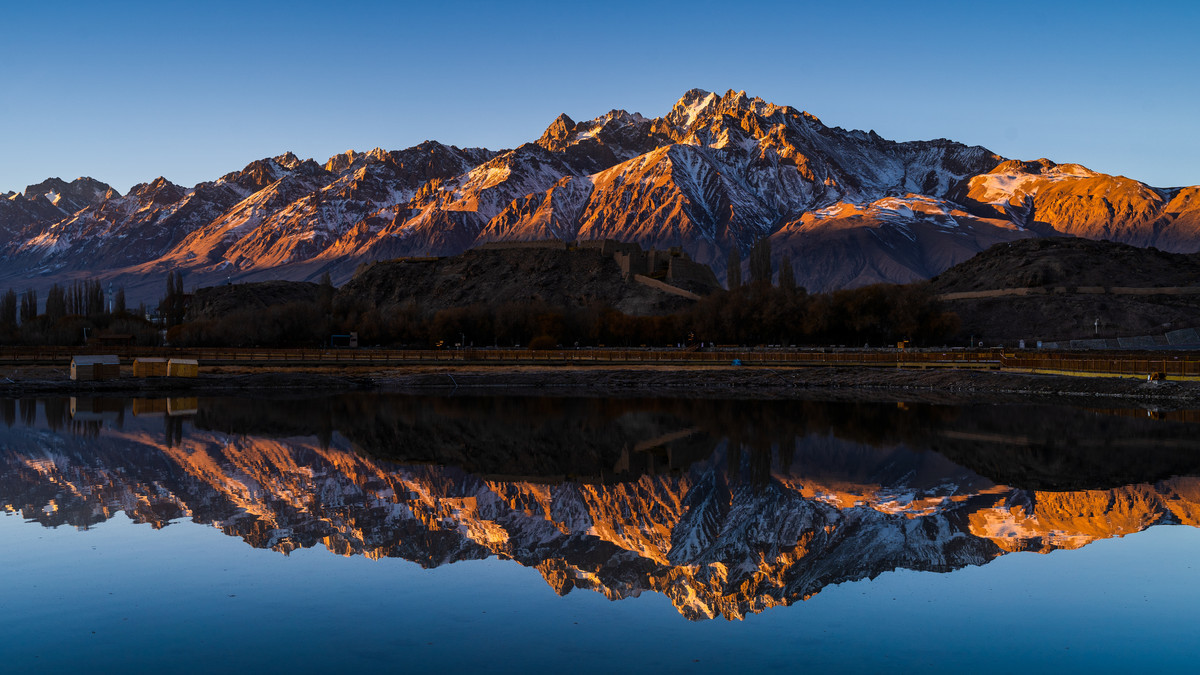
Starting from Kashgar, the China-Pakistan Friendship Highway is like a black ribbon, one end tied to the bustling city life and the other plunging into the vastness of the Pamir Plateau. After passing through the Oyaktak Red Valley, the red rock walls, under the sunlight, gleam with a metallic luster. Just as we were marveling at the "South Xinjiang Flame Mountain" for its wildness, the sign at the intersection led us to a secret place that most people had overlooked - the Muji Volcano Crater.
This border defense highway is over 70 kilometers long, connecting snow-capped mountains, wetlands and deserts. It is called "the secret of secrets". When the outline of the Eighteen Immortals Peak emerged in the distance, the color of the ground had quietly changed. The remnants left by the volcanic eruption 1,500 years ago were scattered across the wasteland, the grayish-brown volcanic rocks piled up into strange-shaped cones, and the crater was filled with a pool of dark blue water, reflecting the clouds above. Standing at the edge of the cliff, fingertips touched the coldness of the rock, but in my ears, I seemed to hear the roar of ancient magma surging. When the police officers at the checkpoint brought us hot water, they warned us: "The altitude here is high, don't run too fast." Turning my head to see their police badges shining in the sunlight of the plateau, I understood where this peace in the wilderness came from.
When returning to the main road, Baisha Lake suddenly caught our attention. The emerald-colored lake water was set against the white sand dunes, with the snow peak of Gongere Peak serving as the backdrop. As the wind blew, the ripples gently swayed, making us forget the desolation of the volcano just moments ago. Further ahead, Kalkuluk Lake was peacefully lying at the foot of Muztag Peak. The name "Black Lake" in the Kyrgyz language had nothing to do with it - on a sunny day, the reflections of the three snow-capped mountains spread across the lake surface, and the lake water changed from blue to green under the changing light, like a gem held in the palm of a snow-capped mountain. That night, we stayed at a camp by the lake. As the night deepened and the people were asleep, I stepped out of the tent. The Milky Way stretched across the sky, and the shadows of the mountains appeared intermittently under the starlight. Even my breathing became gentle, fearing to disturb this tranquility between heaven and earth.
Panlong Ancient Trail: Transforming Difficult Roads into Smooth Paths
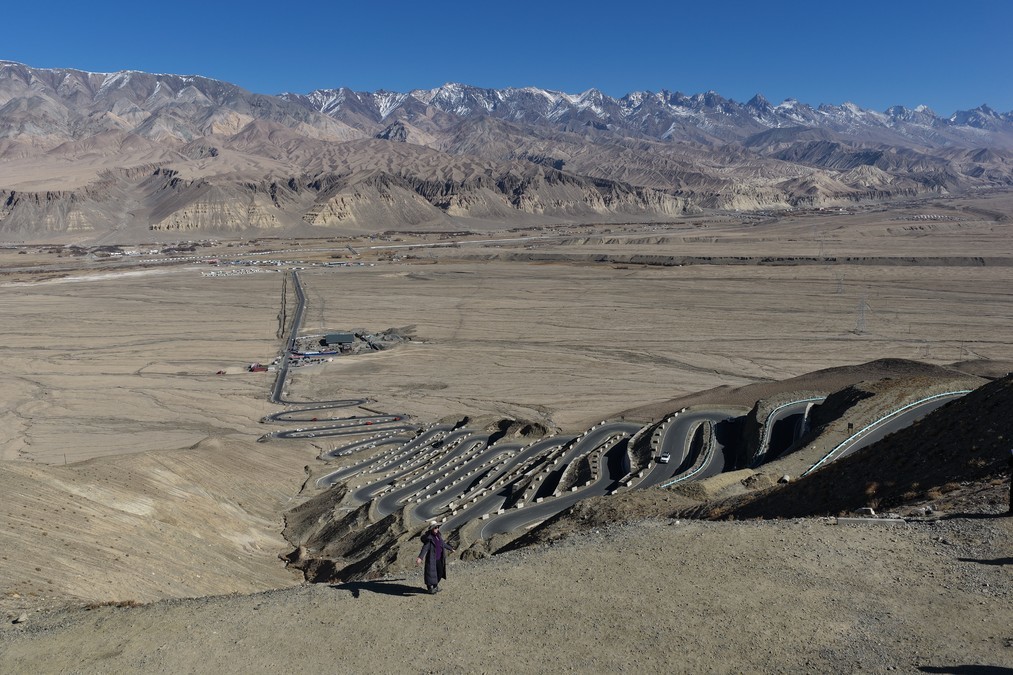
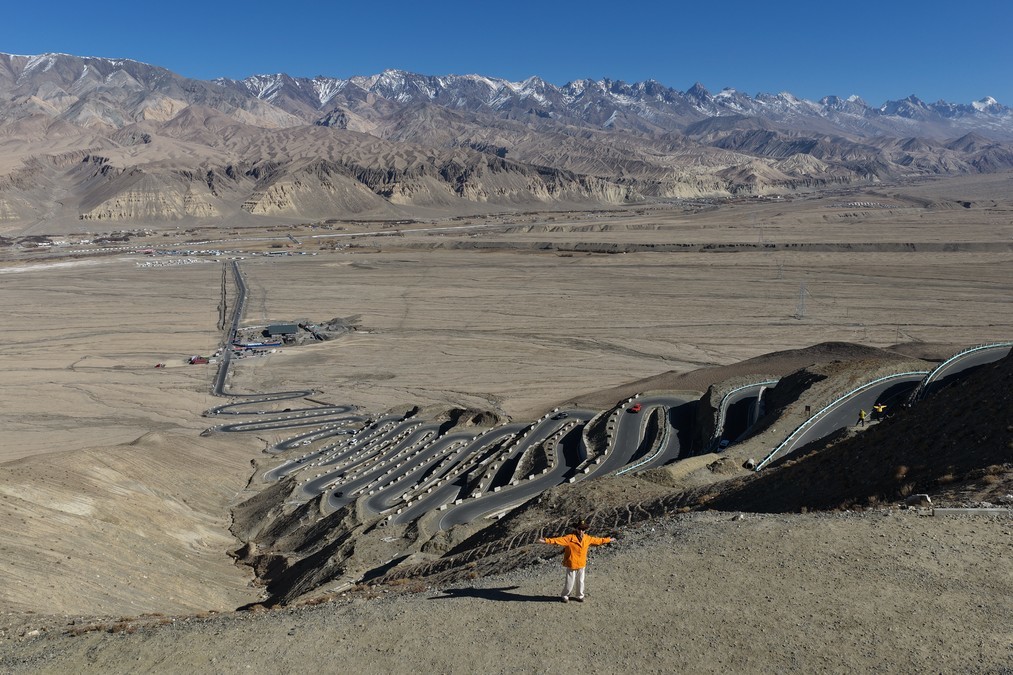
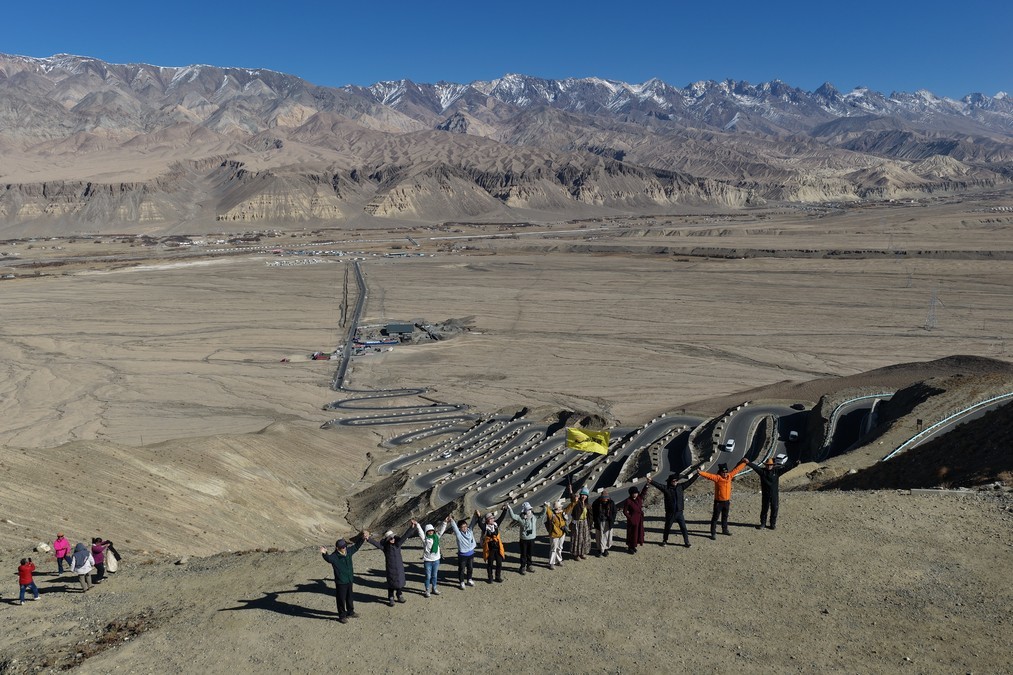
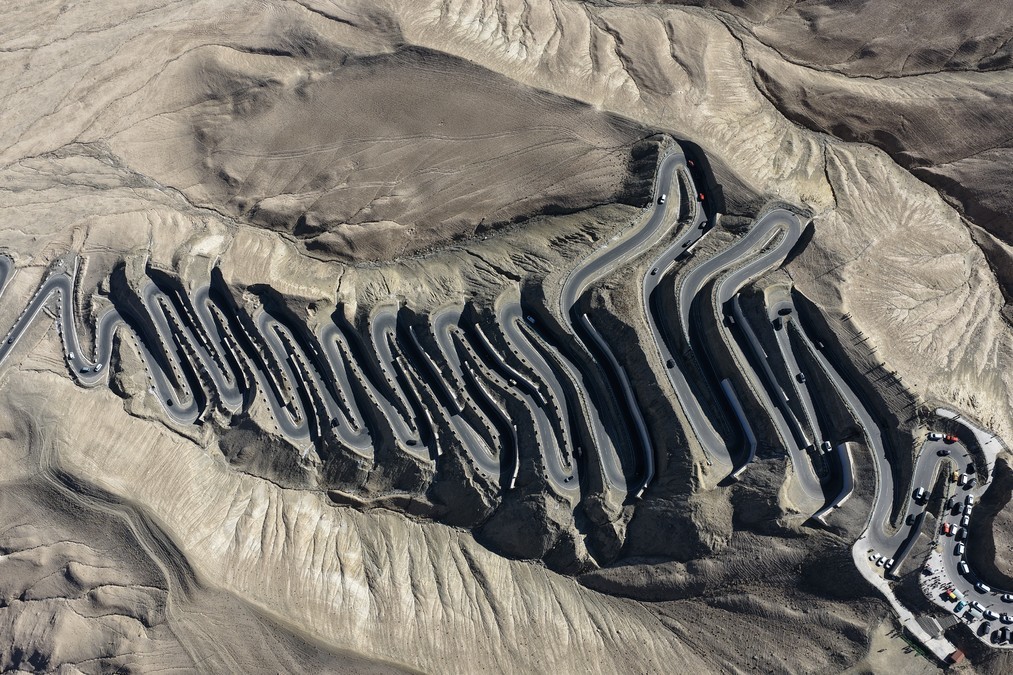
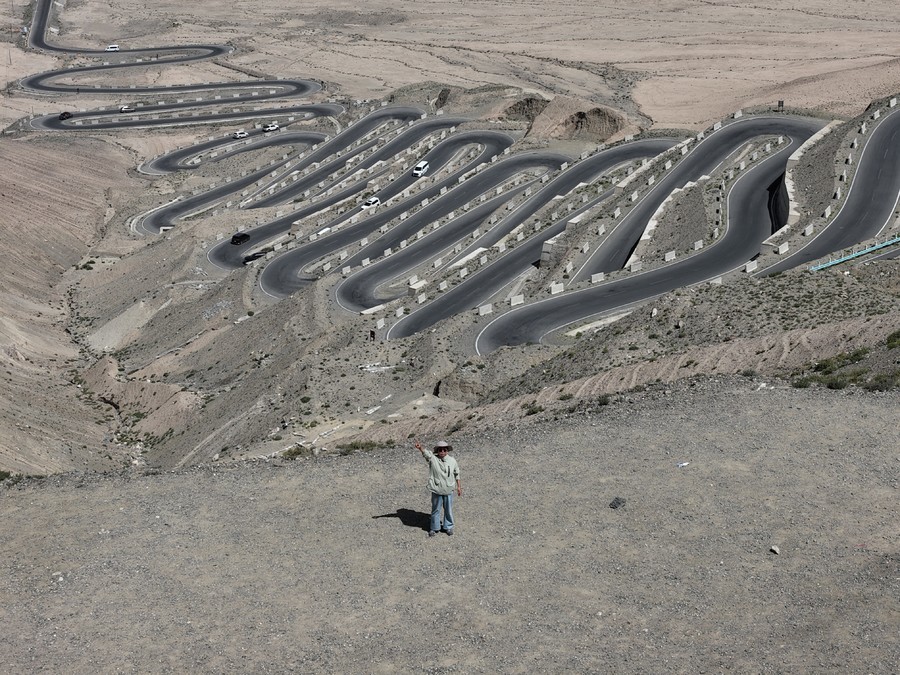
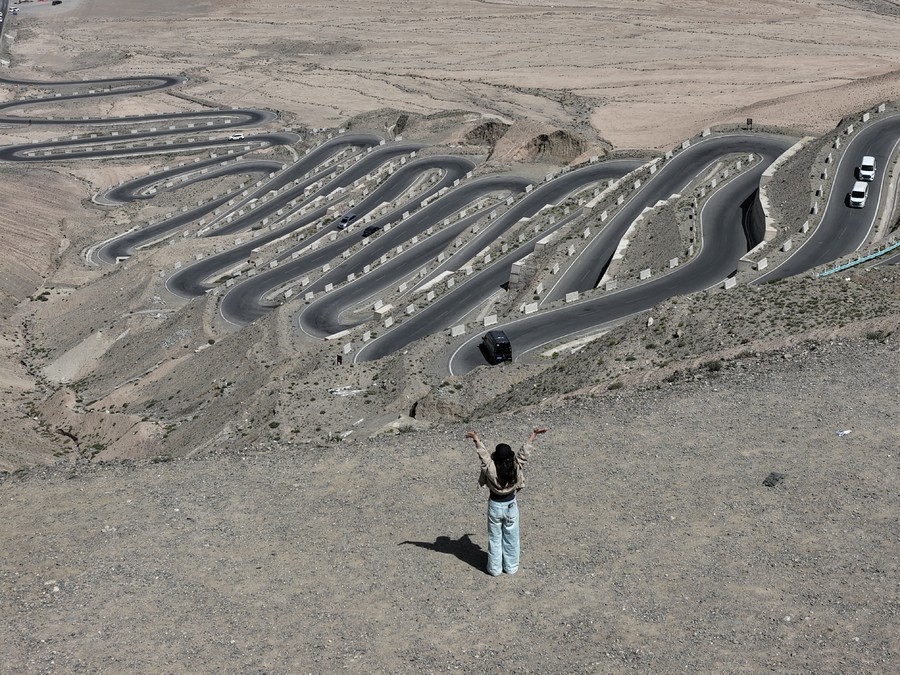
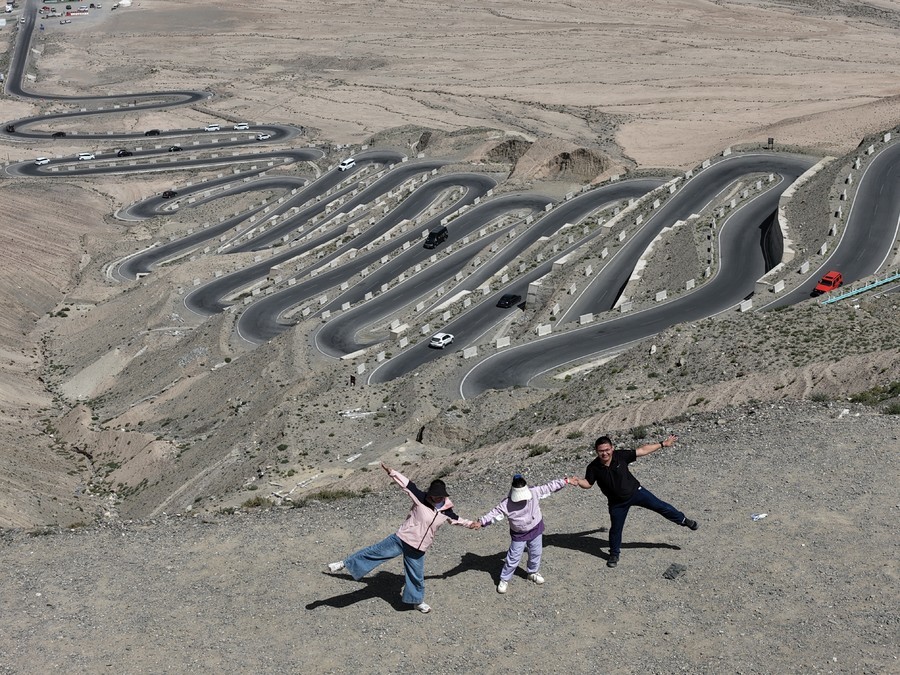
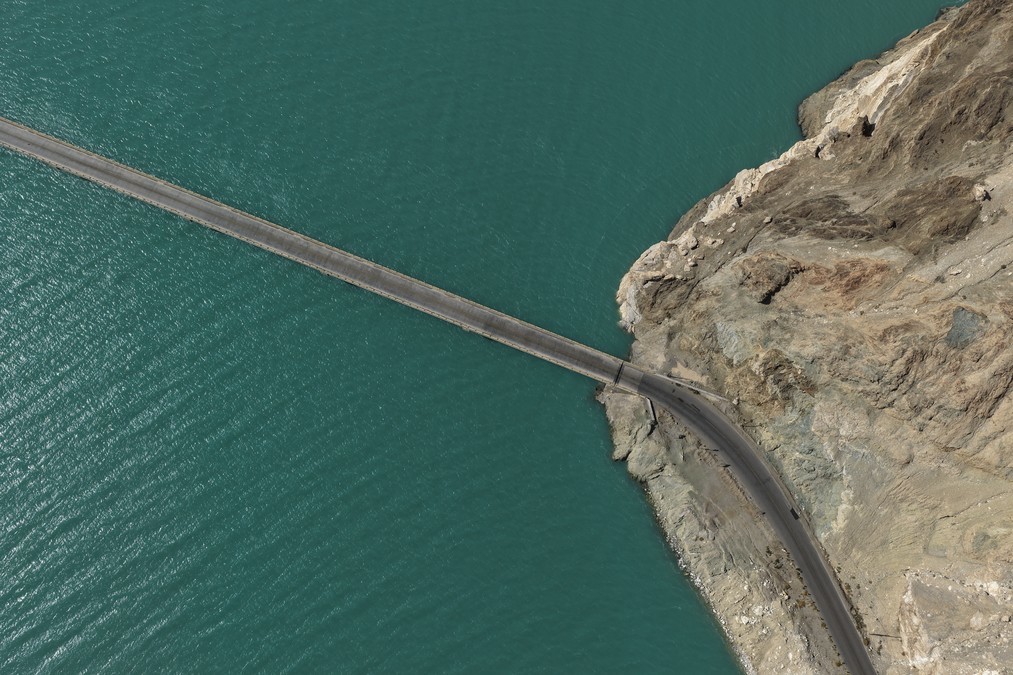

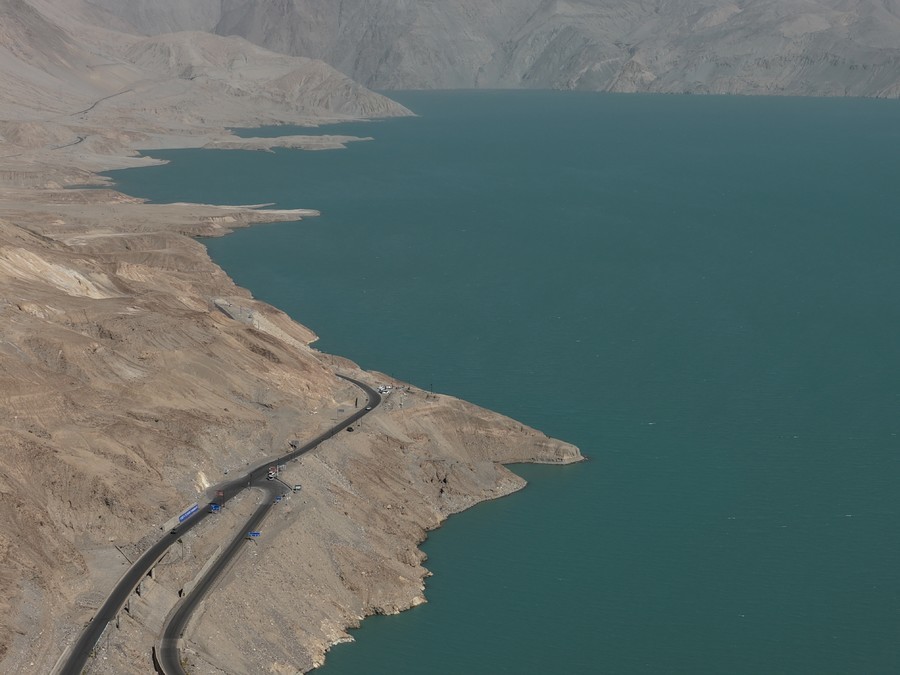
Heading from Kalkuluk Lake towards Taixian County, the scenery outside the car window gradually changed from the beauty of lakes and mountains to the cliffs of deep canyons. At the entrance of the Panlong Ancient Road, the slogan "Today I have left all detours behind, and from now on, life is always smooth" stood out particularly prominently, warming the hearts of everyone about to challenge it. This road, which was only opened in 2019, is 36 kilometers long and contains 608 bends. The altitude rises sharply from 3,000 meters to 4,100 meters, and the road surface built along the mountain ridge resembles a black dragon coiled among the mountains.
Driving at a low gear, the steering wheel kept turning, but the view outside the window was not willing to be left behind. The reddish-brown rock walls glowed with a luster in the morning light, like a piece of silk that had been wrinkled by giant hands; the ice caps of the distant snow-capped peaks were faintly visible in the clouds, witnessing the thousand-year vicissitudes of the plateau. At the highest viewing platform, after getting off the vehicle and looking far away, the full picture of the ancient road was clearly seen - it sometimes ascended in a spiral, sometimes curved downward, outlining strong lines among the mountains, like the bold calligraphy of a god's brushstroke. The driver's assistant we were with said that every April when the snow melts, the ancient road "awakens", and until November it is again covered in ice and snow. During this short period of accessibility, it is not only the poverty alleviation road of Wachax Township, but also a打卡spot for travelers to seek metaphors in life.
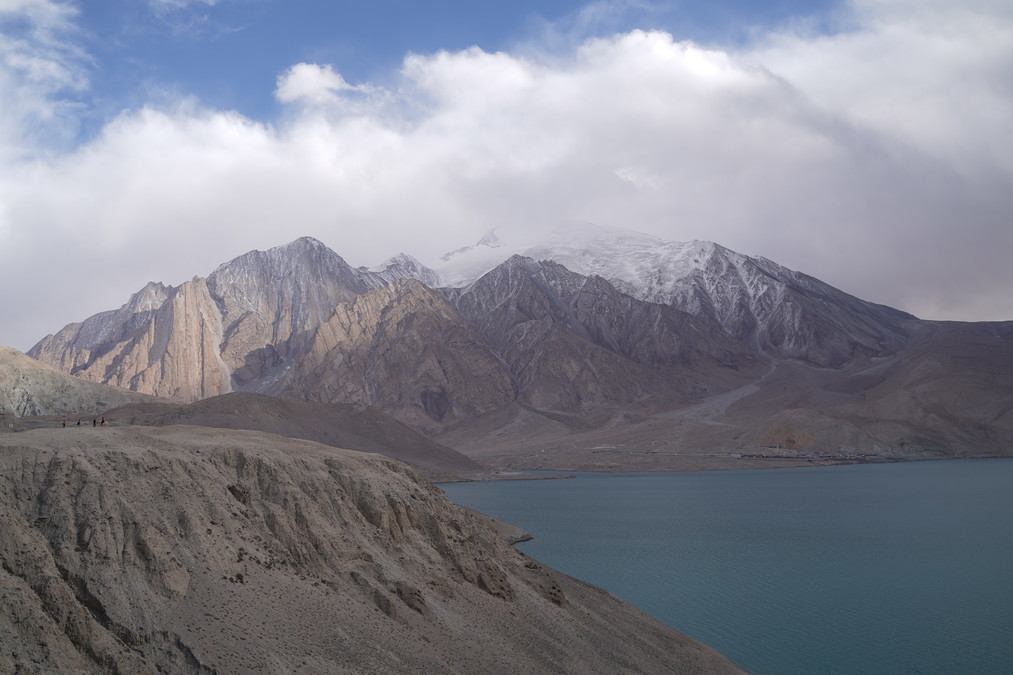
After leaving the ancient path, Bandier Blue Lake was waiting ahead. This lake, formed by the convergence of glacial meltwater, exhibits various shades of blue due to its rich mineral content. On sunny days, it resembles a blue gemstone hidden in the mountains; on cloudy days, it reveals a deep, mysterious blue. The grassland by the lake is golden, and yaks are leisurely grazing. The grayish-brown mountains contrast sharply with the blue lake, and any casual shot captures a perfect, unfiltered masterpiece. The afternoon sun, filtering through the clouds, casts dappled shadows on the lake surface, evoking the saying "The land is vast, and life is worth living."
Hualiang Forest: Praise for Life in the Desert
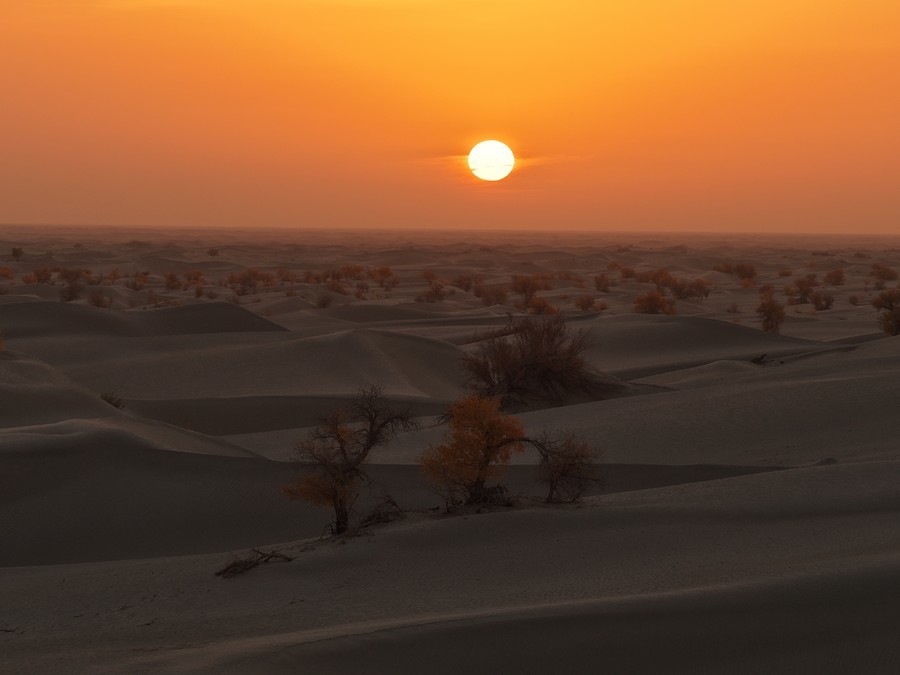
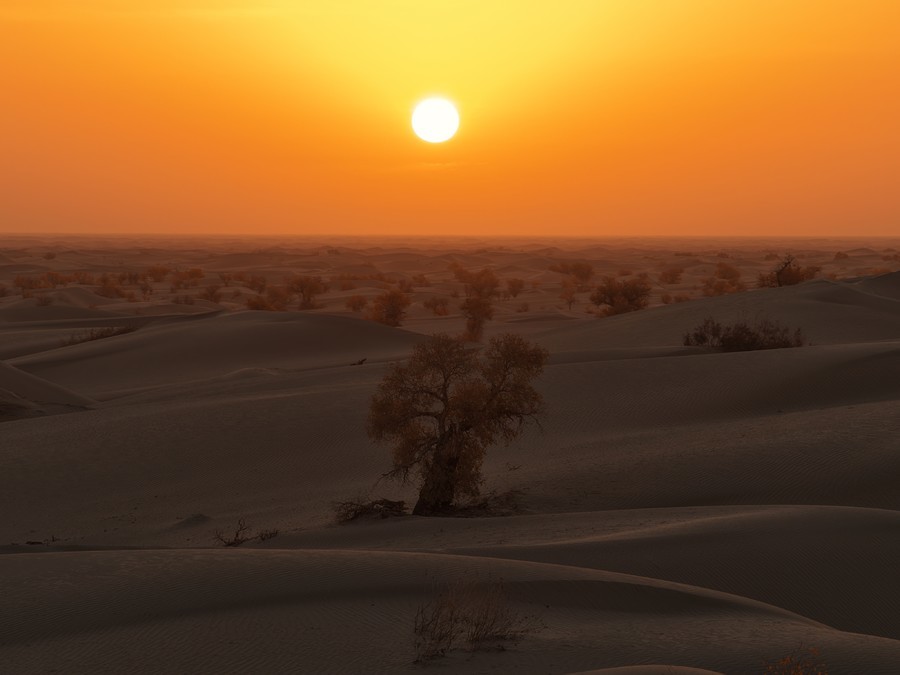
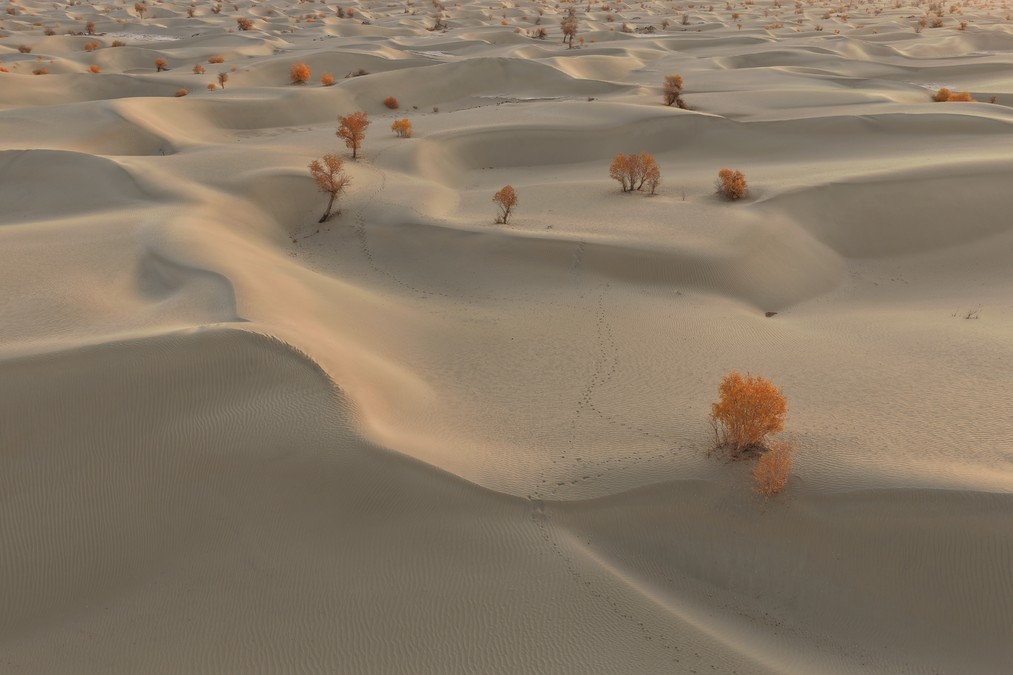
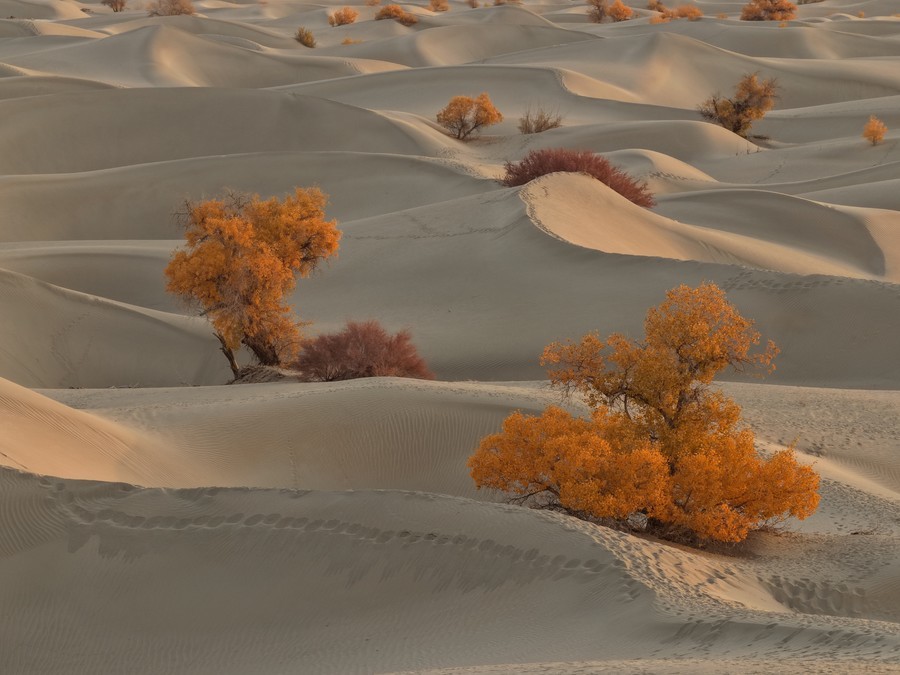
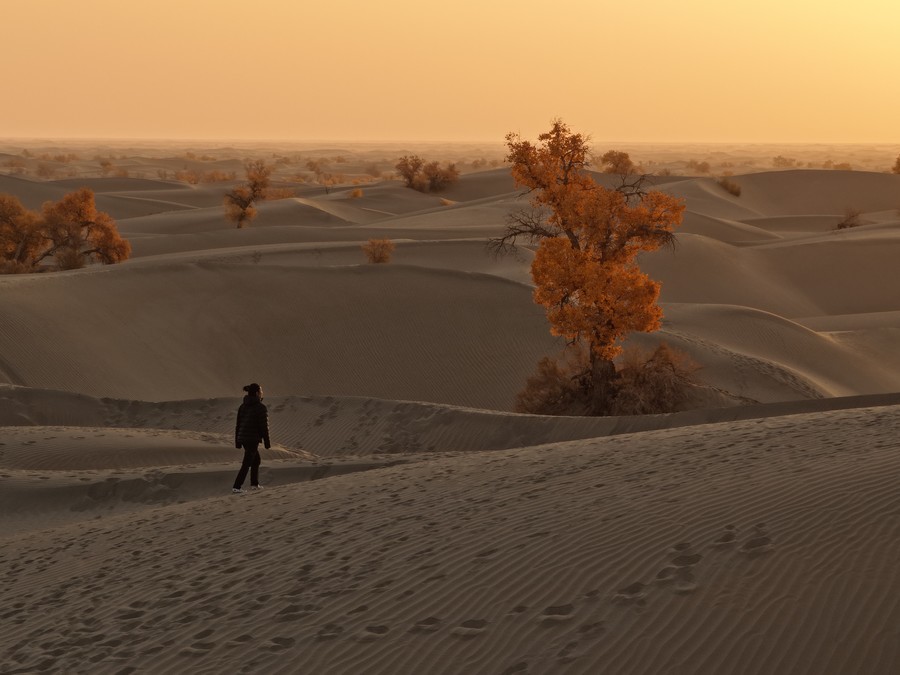
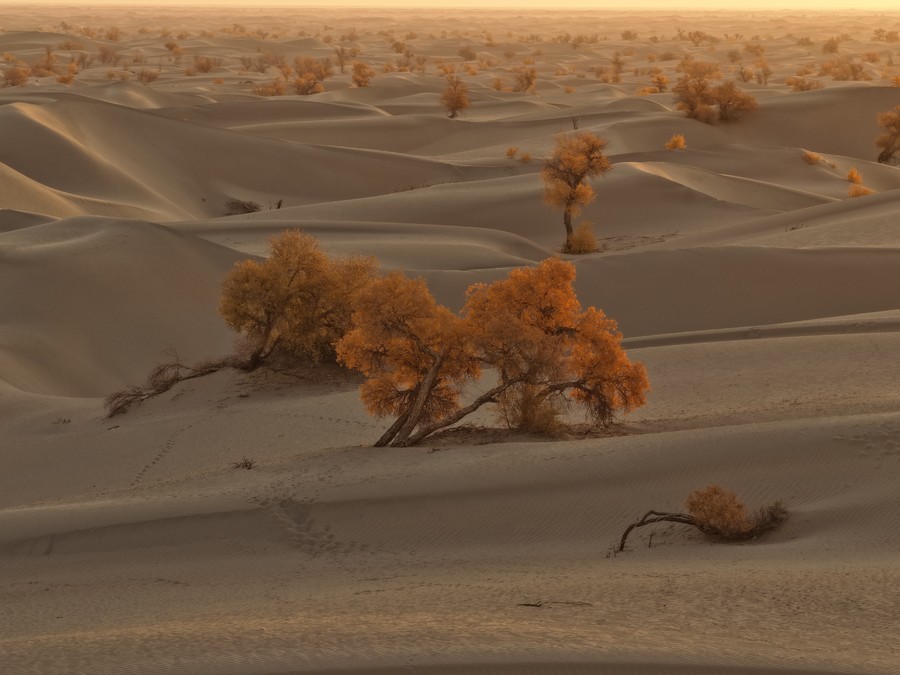
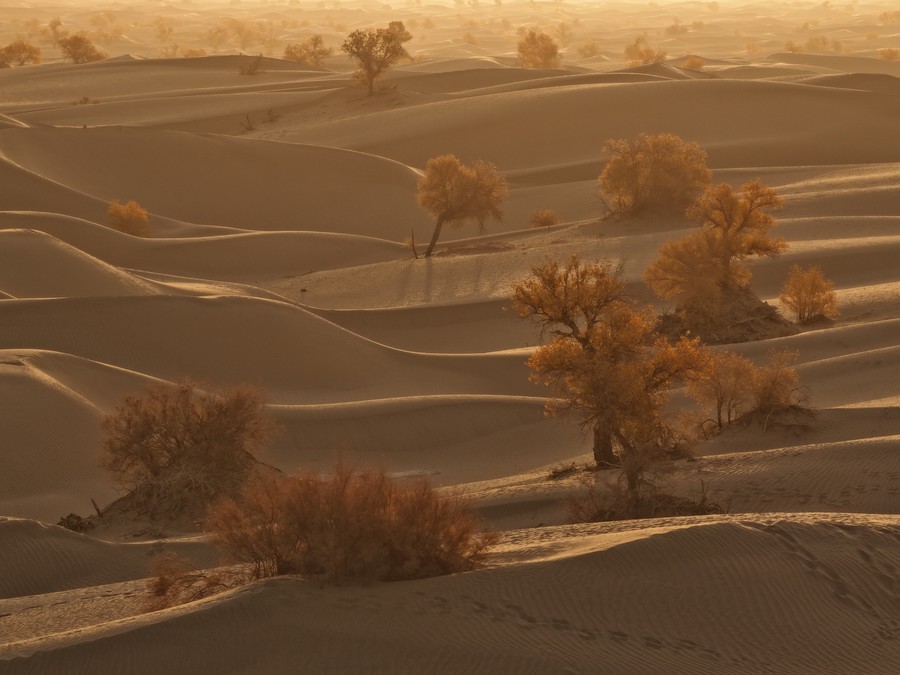
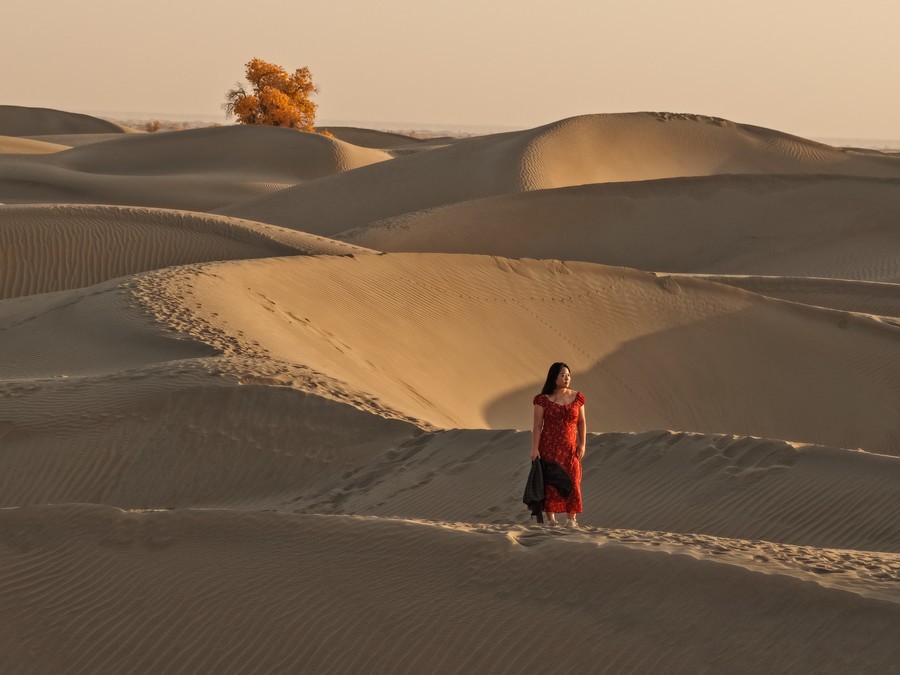
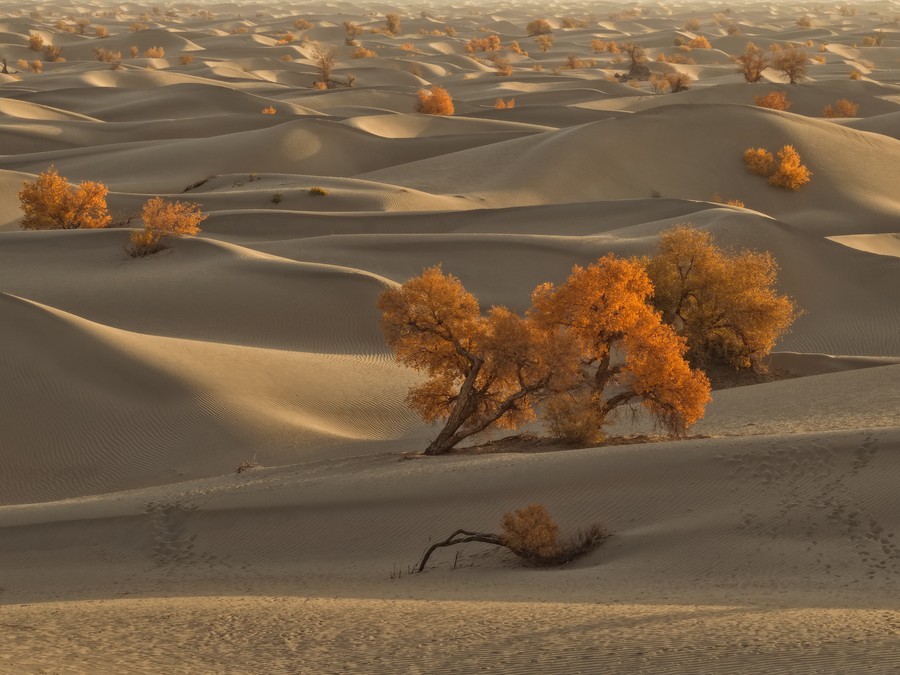
Leaving Pamir, the wheels turned towards the Taklamakan Desert. People say, "The Chinese date palm lives for a thousand years without dying, dies but remains standing for a thousand years, and when it falls, it becomes immortal for a thousand years." It wasn't until one stood in the Chinese date palm forest at Huailai that one truly understood this astonishing phenomenon. The wind in October brought a chill, but the vast sea of Chinese date palms turned themselves into golden hues. Sunlight passed through the branches and leaves, casting fine specks of light on the ground. The fallen leaves underfoot were soft, making a rustling sound when stepped on, and looking up, the golden tree crowns connected with the azure sky, occasionally with birds flying by, leaving clear chirping sounds.
Entering the forest area, one could see different forms of Chinese date palms. Some have thick trunks and twisted branches, like elderly people who have endured hardships; some have new branches sprouting, with yellow-green leaves, exuding vitality; and some, although already fallen, still maintain a standing posture, as if recounting their past glory. Walking along the wooden walkway to the riverbank, the reflection of the Chinese date palms in the water connected with the real scene, forming a symmetrical golden world, making it impossible to tell whether the trees were in the water or the water was on the trees. When the sun set, the sunset painted the sky red, and the silhouette of the Chinese date palms became increasingly clear. At that moment, time seemed to stand still, leaving only the solemnity and grandeur of life.
If the H Yang Forest in Luntai is a lively feast of life, then the H Yang Forest on the edge of the Taklimakan Desert is a solitary tale of life. As the car drives on the desert road, on both sides are endless sand dunes. Occasionally, one can see clusters of camel thorns. Until a golden patch appears in the distance - that is the desert H Yang. They stand single or in groups, with their root systems deeply buried in the barren sand, absorbing scarce water. The strong wind sweeps up sand particles and strikes the tree trunks, making a cracking sound. But they always hold their heads high and stand upright, using their twisted branches to resist the erosion of the desert. Here, the meaning of life is no longer lush foliage, but the courage to hold on in the face of adversity.
Redstone Forest: Sculpture by Wind and Time
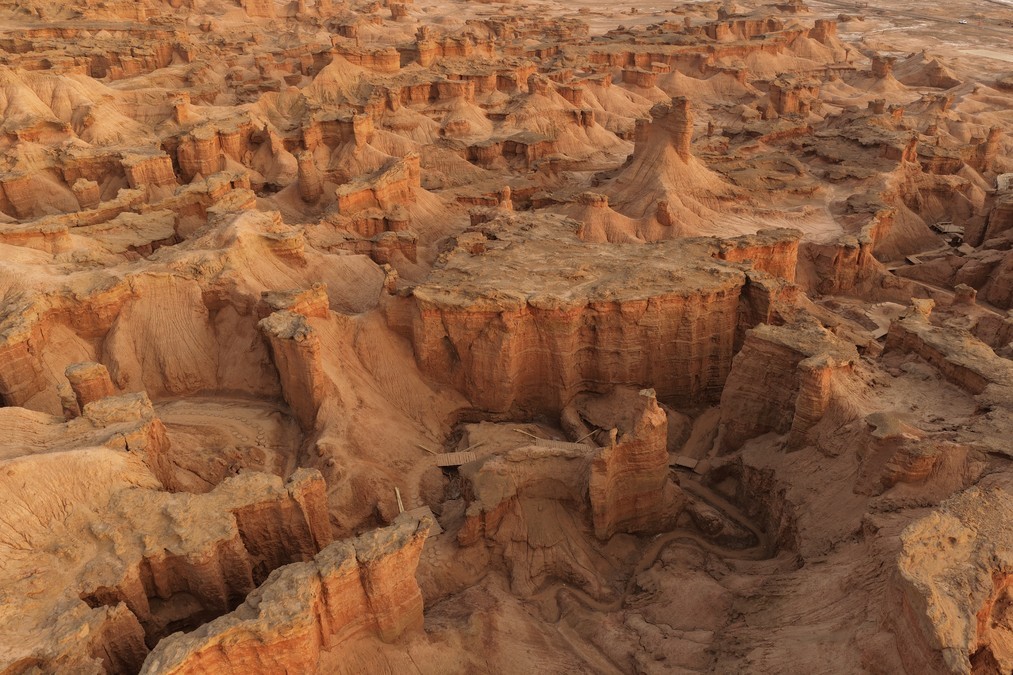
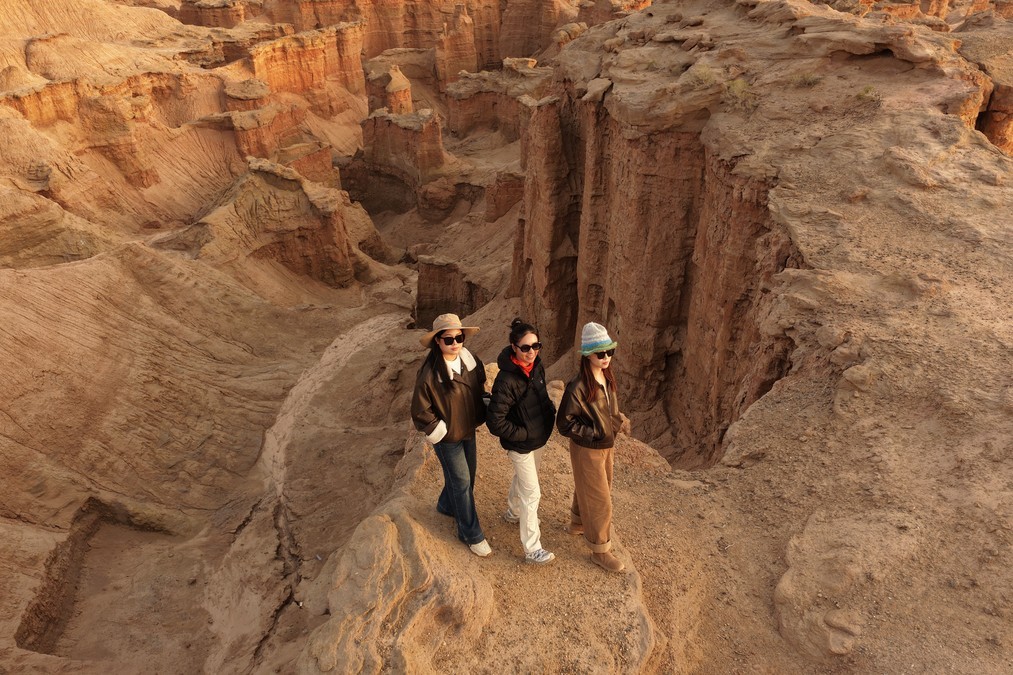
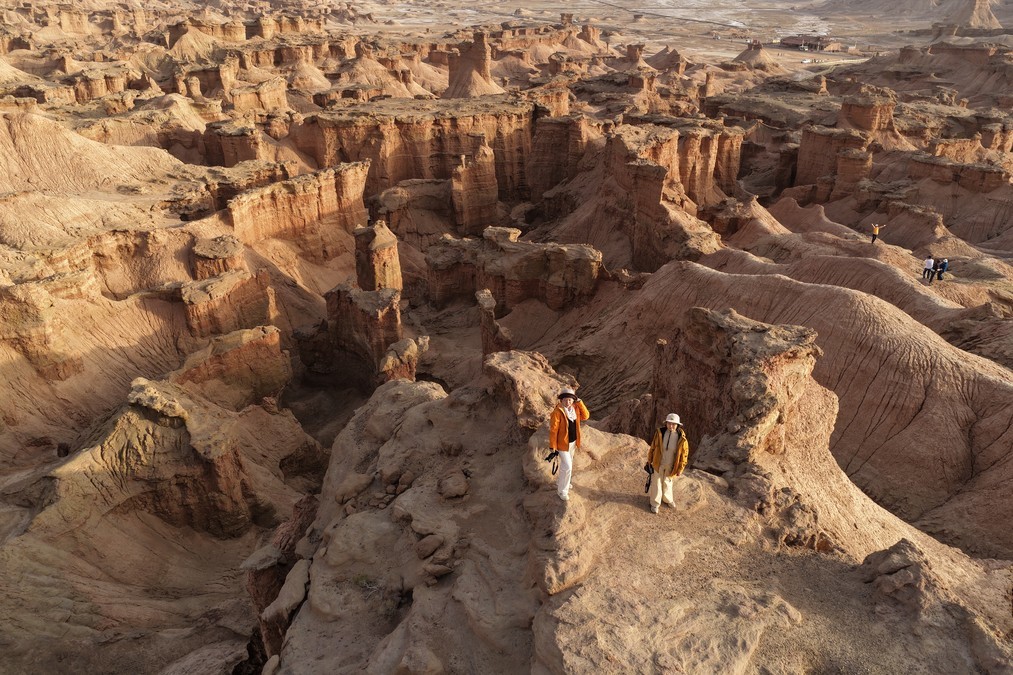
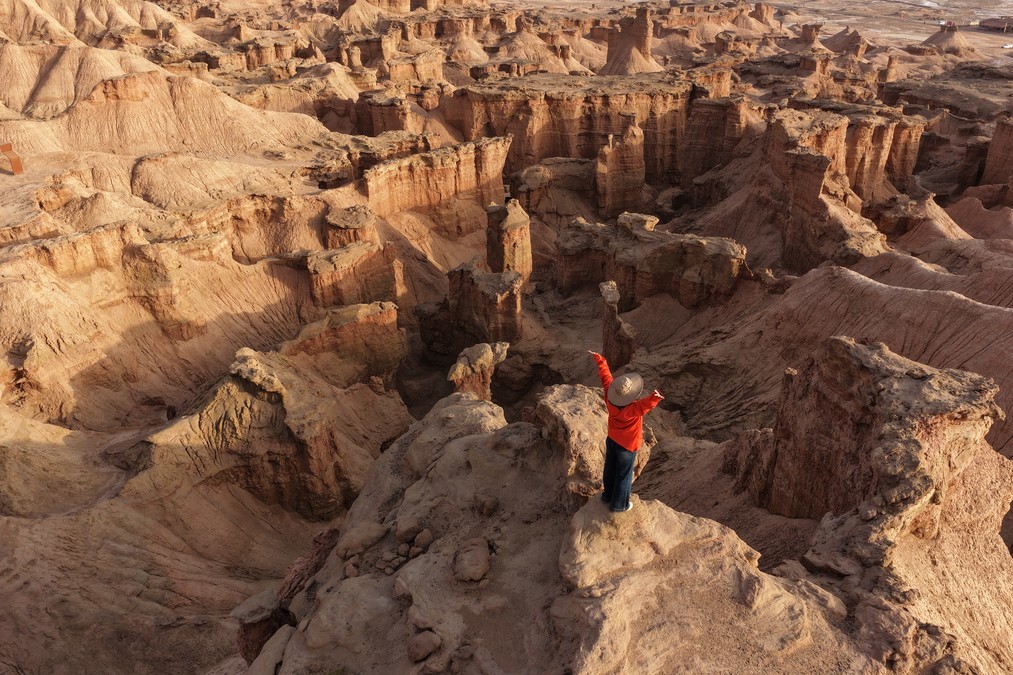
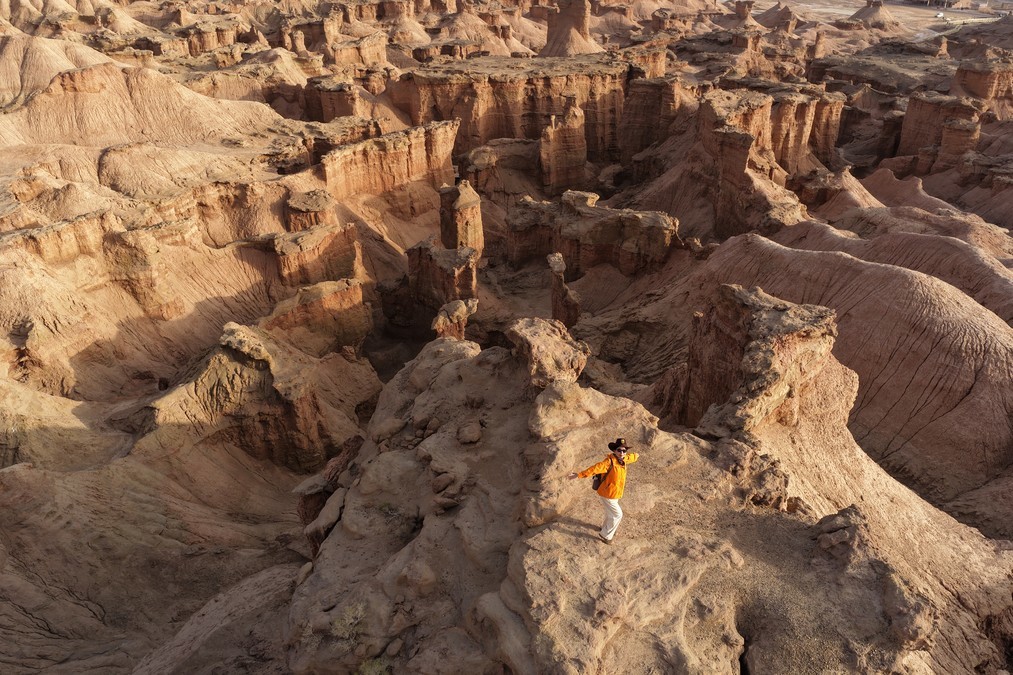
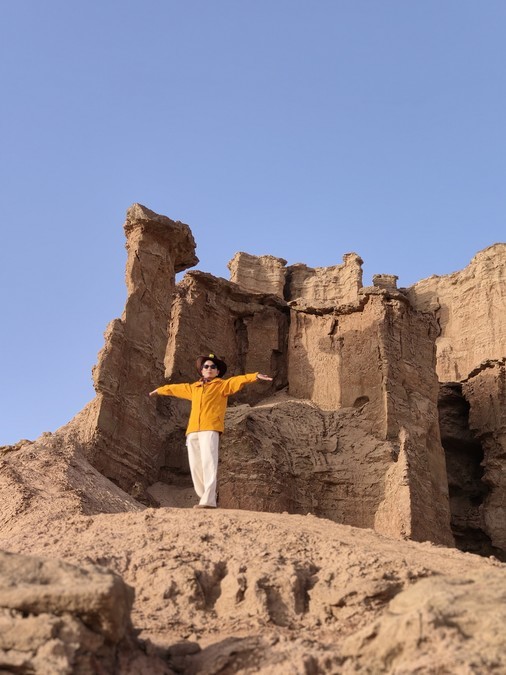
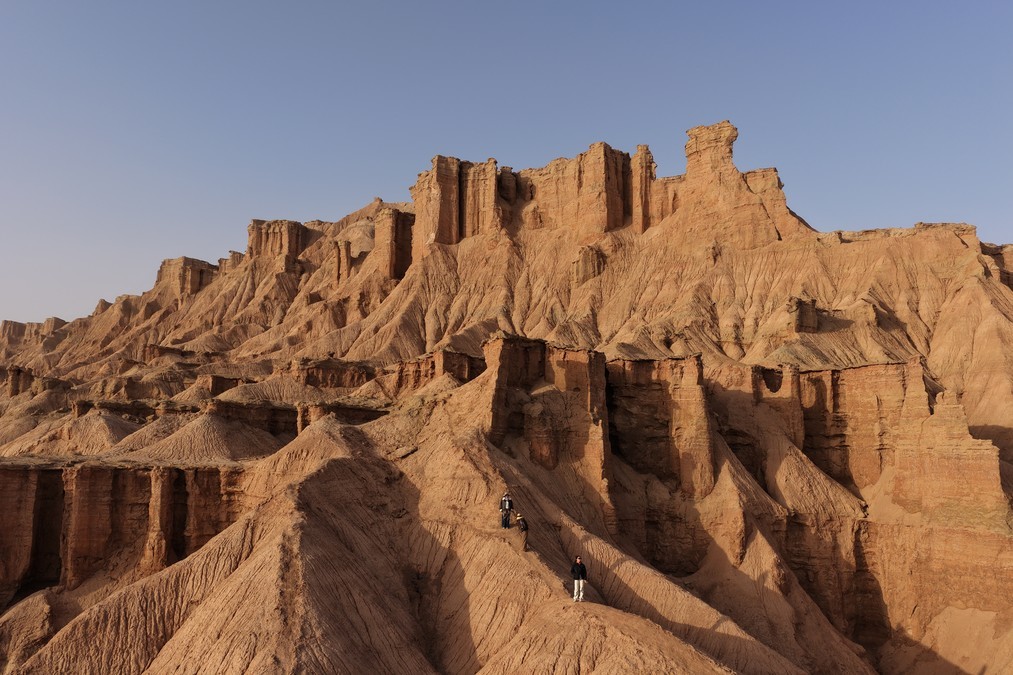
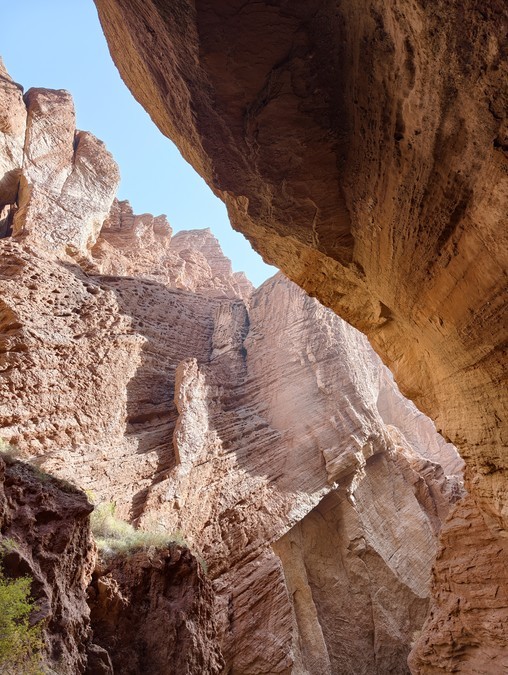
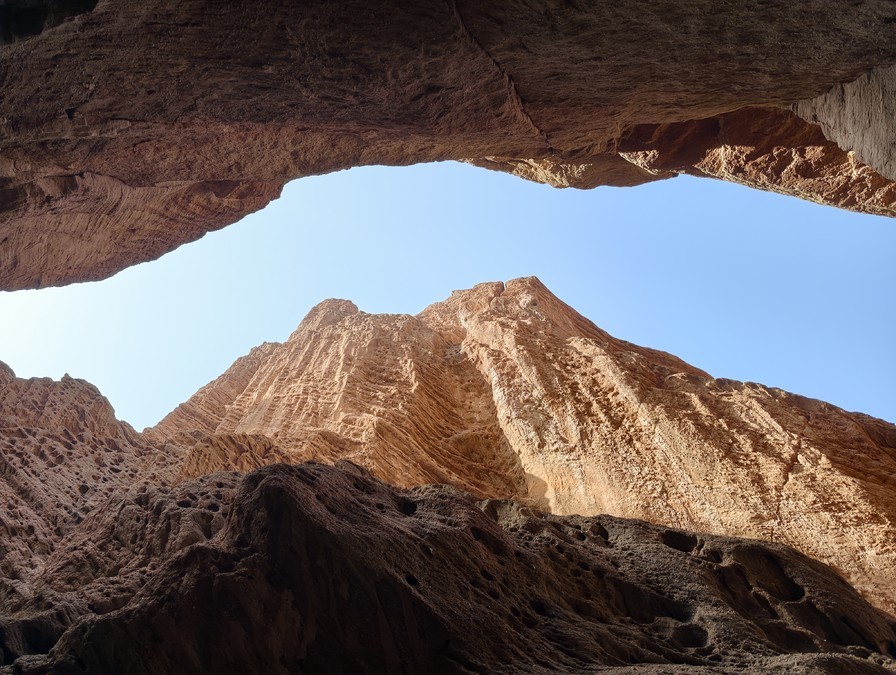
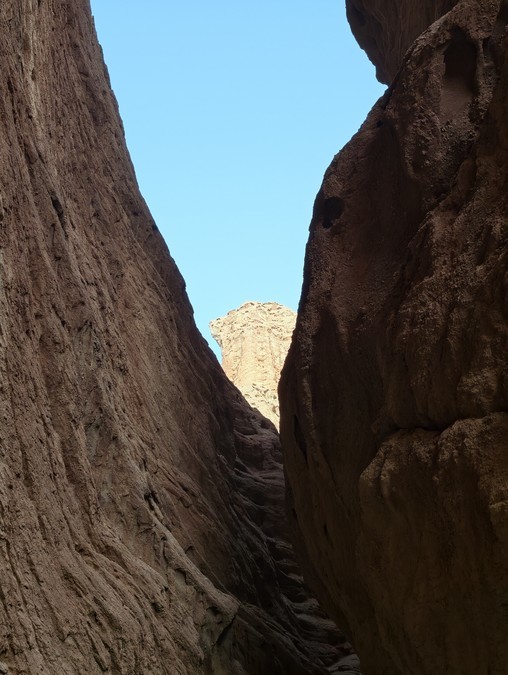
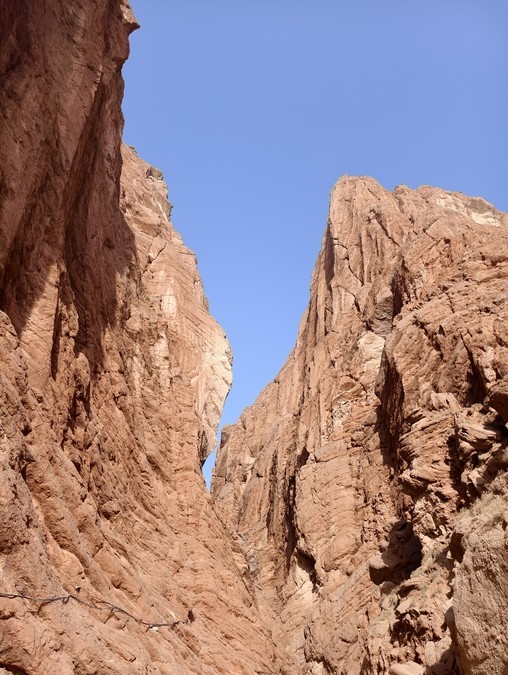
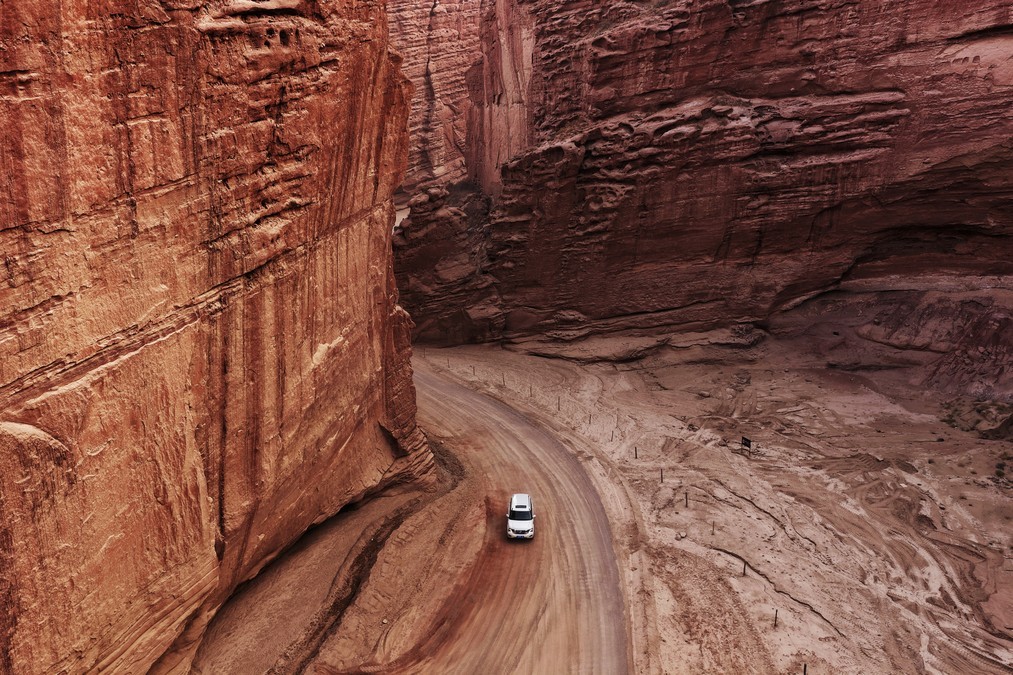
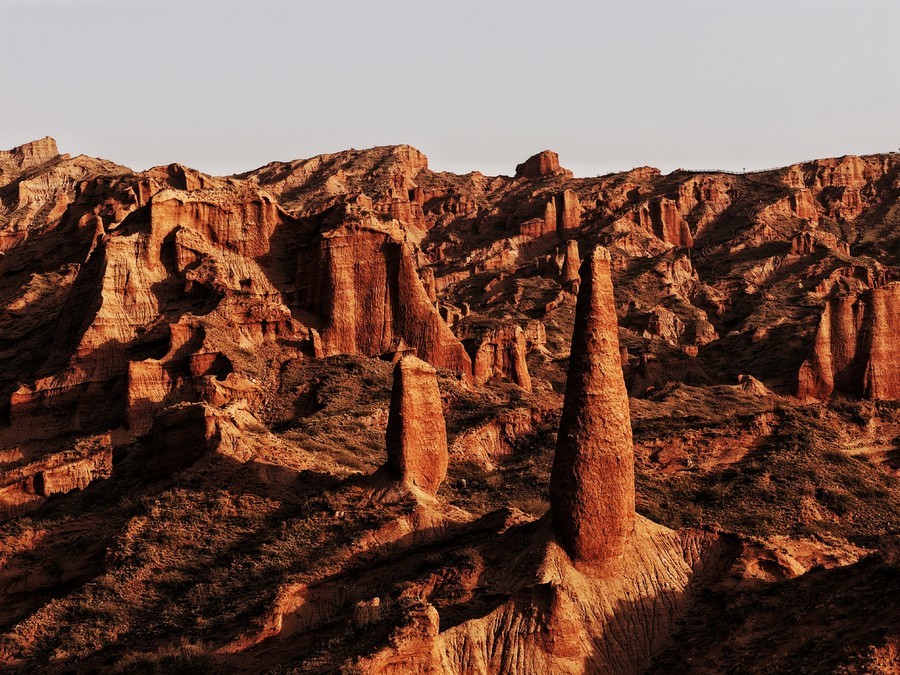
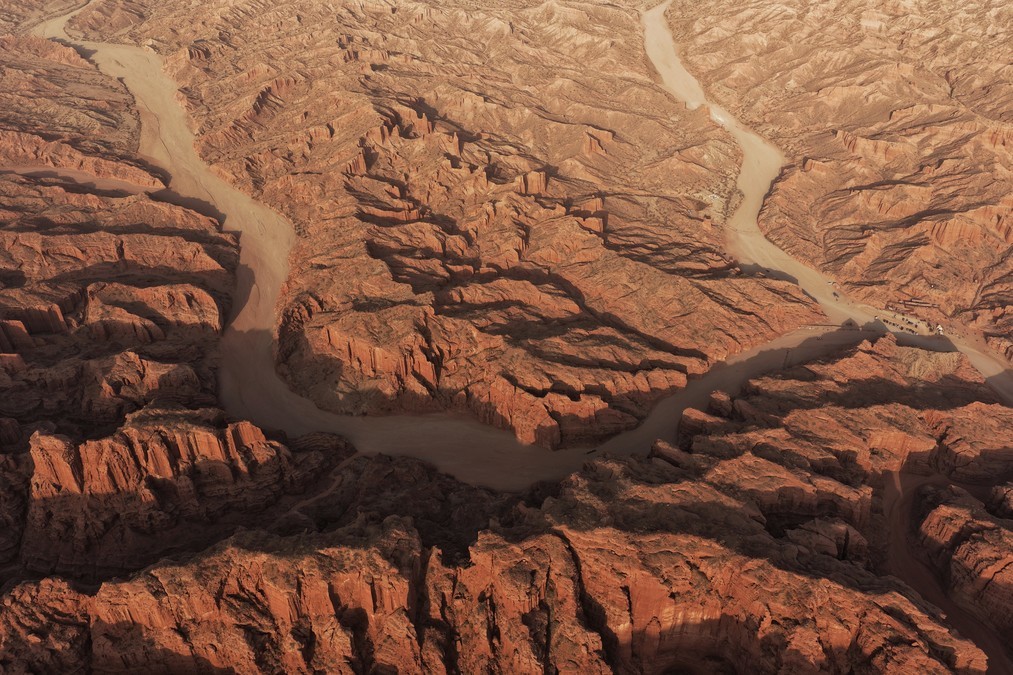
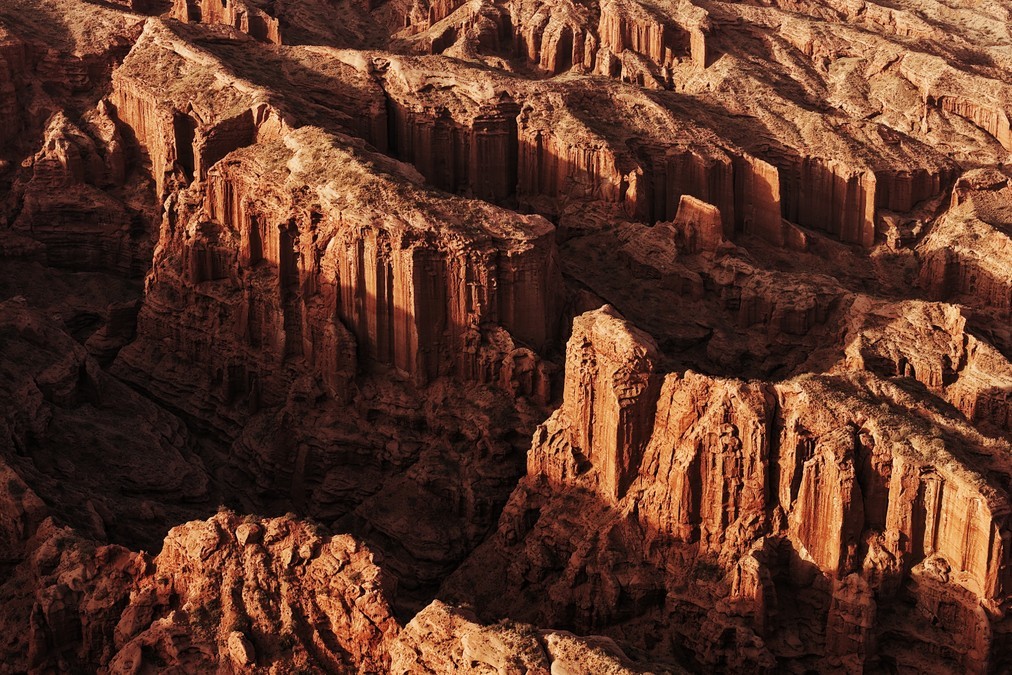
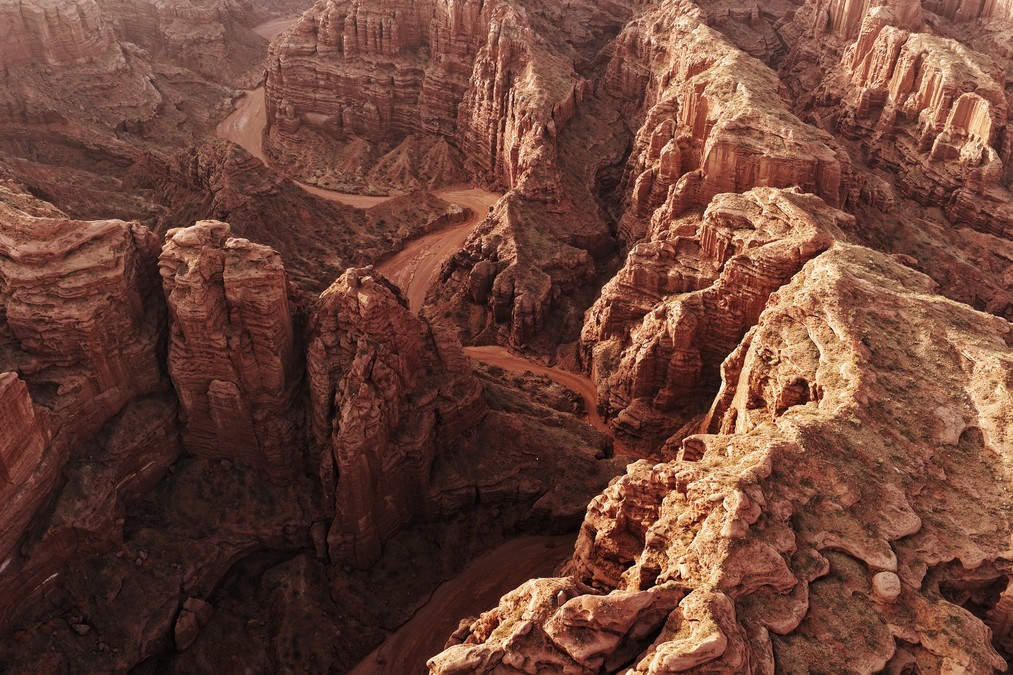
The final stop of the journey was the Red Rock Forest in Baicheng. This unique landscape, located in the countryside of Baicheng County, Aksu, is a masterpiece crafted by wind and time. As the car entered the scenic area, the red rock formations unfolded before us, layer upon layer, like thousands of layers of pastry. After millions of years of weathering and erosion, it formed fantastical shapes such as "The God Turtle Exploring the Sea" and "The Camel Looking at the Moon". Each gully is a fold in the geological history.
The midday sun was the hottest. The rock walls turned red like charcoal in the strong light, with clear textures like fingerprints of the earth. Climbing up along the walkway to a higher point, we looked down at the entire rock forest. The red peaks rose and fell continuously, against the backdrop of blue sky and white clouds, like a thickly colored oil painting. The photographer in our group said that the beauty of the Red Rock Forest lies in the light and shadow - at sunrise, the golden rays drenched the rocks, and the light and dark in the gullies alternated like burning totems; at dusk, as the sun set in the west, the rock walls gradually turned dark red, and taking pictures of silhouettes of people was the most suitable. We stayed until the evening, watching the sun turn the rock walls into a warm red, and the mountain shadows in the distance gradually blurred. Only the sound of the wind through the rock forest could be heard, like the whisper of time.
As I set off on my return journey, the scenery of southern Xinjiang interwove in my mind: the ice and fire of the Pamir Plateau, the curves and straightness of the Panlong Ancient Road, the decay and rejuvenation of the poplar forests, and the red and vibrant colors of the redstone forests. This land never shies away from its extremes; whether it's the magnificent snow-capped mountains and lakes, or the resilient natural wonders, they all tell of the power of nature and the vicissitudes of time. And those people I met along the way - the police officers at the checkpoints, the herders by the ancient road, and the forest rangers in the forest area - gave this journey a touch of warmth.
The wind of southern Xinjiang will eventually blow to the distance, but those shocks and emotions engraved in my memory will always remain in my heart, becoming the strength for my next journey.


